Every few months, the headlines follow a predictable, exhausting script. The International Atomic Energy Agency issues a stern warning. Western media outlets panic about sliding doors and centrifuge cascades. Tehran drags its feet on inspector access. Pundits foam at the mouth about imminent breakout times and threshold states.
Stop buying the hysteria.
The entire narrative surrounding IAEA access to Iranian nuclear sites rests on a fundamental misunderstanding of how intelligence, deterrence, and modern non-proliferation actually function. The lazy consensus claims that if inspectors can just walk into every bunker, workshop, and warehouse across Iran, transparency will magically save the region.
That theory is dead wrong.
Inspections do not prevent weapons programs. They manage paperwork. Sometimes, they act as political theater for diplomats who need an excuse to sign a treaty or impose another round of toothless sanctions. Treating inspector access as the ultimate barometer of global security is a rookie mistake.
The Surveillance Illusion
Let us clear up the core technical misconception right away. People assume a nuclear weapons program looks like a Detroit auto plant—massive, centralized, loud, and easy to audit if you just have the keys to the front gate.
It does not.
Modern dual-use technology means centrifuges, advanced electronics, and precision machine tools can be manufactured, stored, and operated in modular, decentralized spaces. I have watched regulatory bodies chase ghosts in industrial sectors for decades, burning millions of dollars auditing facilities while the real intellectual property moves quietly through basement workshops and shell companies.
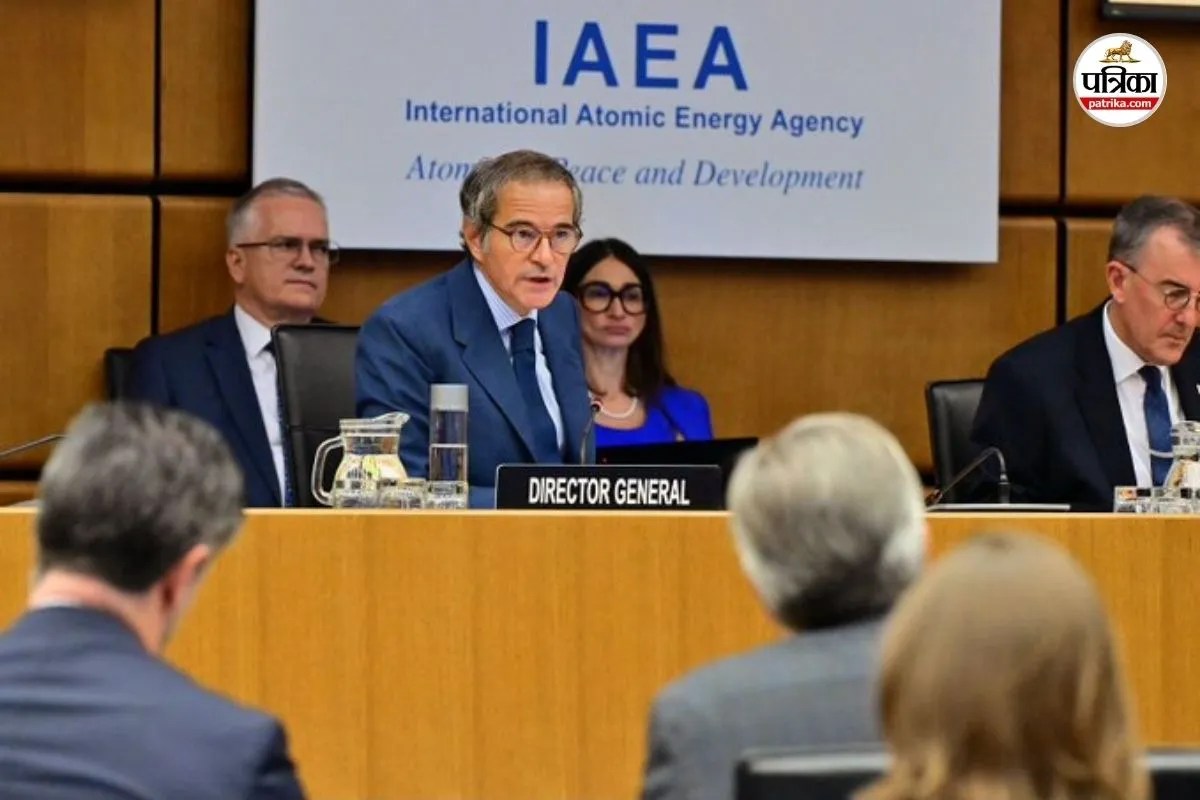
When Rafael Grossi and the IAEA demand immediate access to every suspected site in Iran, they are chasing shadows. If Tehran wanted to hide a covert enrichment cascade, an inspector with a clipboard and a gamma spectrometer is about as useful as a screen door on a submarine. Advanced enrichment doesn't leave neon signs; it leaves isotopic signatures that can be scrubbed or relocated before a convoy even clears the checkpoint.
Inspections create a false sense of security. They give politicians a binary metric—access granted or access denied—while ignoring the much harder reality of state-level intent and capability.
The Real Leverage No One Talks About
Focusing exclusively on physical site access ignores the actual dynamics of deterrence. Iran does not bargain because IAEA inspectors count centrifuges. Iran bargains because of economic strangulation, domestic stability, cyber warfare, and the quiet, devastating sabotage of its physical infrastructure.
Think about Stuxnet. That wasn't a team of UN inspectors walking into Natanz with clipboards. That was a precision digital weapon that ripped through industrial control systems while inspectors were busy drinking tea in Vienna.
The obsession with physical site access is a convenient distraction for policymakers who want to look tough without deploying actual strategic pressure. It lets governments pretend they are doing something meaningful by arguing over visa approvals and camera placements.
Here is the brutal truth the experts won't say out loud: Iran already possesses the technological know-how to build a weapon if political leadership makes that exact choice. Knowledge cannot be bombed, inspected, or legislated away. The gap between mastering the nuclear fuel cycle and assembling a functional warhead is a political decision, not a technical hurdle.
Why Compliance Is a Bargaining Chip
In the grand chessboard of Middle Eastern geopolitics, IAEA access is currency. Tehran treats inspector access the way a savvy merchant treats inventory during a high-stakes negotiation. You do not hand over your best leverage for free just because a bureaucrat in Austria writes a strongly worded report.
When Western media shrieks that Iran is blocking access, they are misinterpreting a tactical maneuver as an existential crisis. Tehran uses restrictions on inspections to extract concessions, relieve sanctions pressure, or signal domestic resolve when hardliners need a political win.
Expecting a sovereign nation under maximum economic warfare to roll out the red carpet for international monitors is peak diplomatic naivety.
The Alternative Nobody Wants to Admit
If inspections are mostly theatre, what actually works?
Deterrence through overwhelming retaliatory capability and continuous, asymmetric containment. You don't stop proliferation by counting uranium enrichment percentages; you stop it by making the cost of weaponization catastrophically high for the regime holding the keys.
We need to stop treating the IAEA like an enforcement agency. It is a bookkeeping operation. Until Western foreign policy minds accept that transparency is a byproduct of diplomacy—not its prerequisite—we will be trapped in this exact same news cycle forever, panicking over every closed door while missing the entire reality on the ground.
Open the sites or don't. It stopped being the main event years ago.