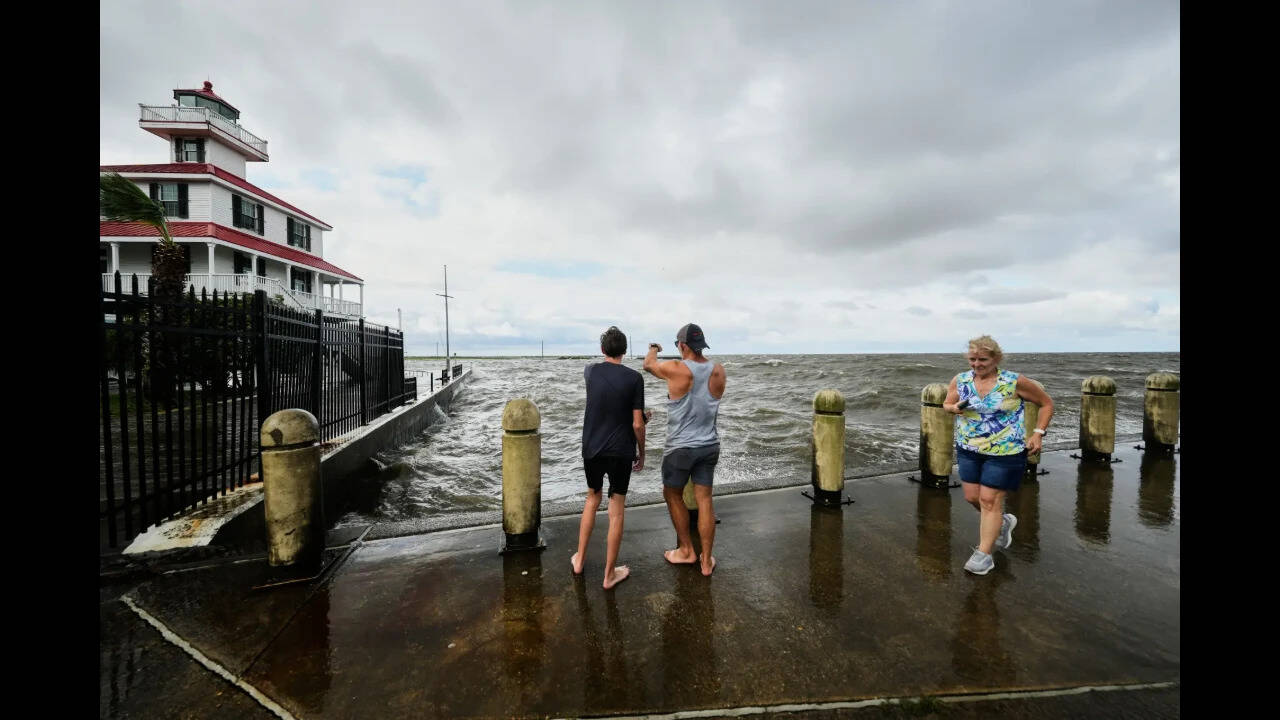
Every summer, the headlines arrive like clockwork. A spike in warm coastal waters, a handful of tragic infections, and the media wheels start spinning stories of lurking, aquatic monsters hunting swimmers in the marshlands of the Gulf Coast. The lazy consensus screams that the water is turning into a biohazard zone and your next trip to the beach might cost you a limb.
It makes for great theater. It also completely misunderstands how Vibrio vulnificus operates.
Focusing on the bacteria as a random airborne-style predator misses the fundamental biology of the organism and the specific vulnerabilities of the hosts it actually targets. The panic is misplaced. The real danger is not that the water is suddenly unsafe for everyone; the danger is that we treat chronic health management as optional until a headline forces a reaction.
The Microbial Reality
Let us clear up the basic biology immediately. Vibrio vulnificus is a naturally occurring halophilic, meaning salt-loving, bacterium that lives in warm marine environments, particularly the Gulf of Mexico and brackish estuaries. It is not an alien invader. It has always been there. When water temperatures climb above twenty degrees Celsius, bacterial reproduction accelerates. That part of the standard reporting is accurate.
Where the narrative breaks down is the mechanism of exposure. The general public envisions healthy people stepping into the surf, getting a tiny scratch, and dissolving from the feet up. That is a myth built on sensationalism.
Healthy immune systems handle Vibrio routinely. Acidic stomach environments neutralize it when ingested via raw oysters. White blood cells mop it up when introduced through minor abrasions.
The catastrophe only unfolds when the host possesses specific, pre-existing systemic vulnerabilities. Elevated serum iron levels, chronic liver disease, hemochromatosis, and compromised immune systems turn a manageable microbial encounter into a fast-moving systemic invasion. The bacteria thrive in iron-rich environments. If your liver is struggling to process iron, you are handing the pathogen an open invitation and a banquet table.
Dismantling the Coastal Lockdown Logic
When case numbers tick past historical averages, local commentators inevitably suggest stricter swimming advisories, warning signs at every boat ramp, or staying away from the coast altogether during peak summer months.
This is security theater.
Banning people from the ocean does nothing to address the underlying metabolic conditions that allow the bacteria to become lethal. If you have advanced cirrhosis or end-stage renal disease, swimming in a sterile chlorinated pool while eating raw shellfish or gardening without gloves can still expose you to opportunistic pathogens. The threat vector is not the Gulf Coast itself; the threat vector is internal physiological fragility combined with unmanaged exposure.
Focusing entirely on the water creates a false sense of security for vulnerable populations who happen to live inland. They think that because they are miles from the beach, they are safe from marine pathogens, completely ignoring the plate of raw Gulf oysters they ordered at a downtown bistro.
The Uncomfortable Truth About Raw Bar Culture
Look at the statistics from public health departments across Louisiana and neighboring states. A significant portion of severe Vibrio cases do not stem from swimming with open cuts. They stem from ingestion.
Raw oyster enthusiasts wear their culinary choices like a badge of rugged authenticity. They down half a dozen bivalves straight from the shell with a squeeze of lemon and a dash of hot sauce, believing tradition grants immunity. It does not. Oysters are filter feeders. They concentrate whatever is floating in the estuarine water column into their tissues, including high concentrations of bacteria.
If you have a compromised liver and you eat raw oysters in July, you are playing Russian roulette with a fully loaded cylinder. The lemon juice does not sterilize the meat. The hot sauce only masks the flavor.
Yet, restaurant menus rarely feature stark warning labels that target the exact demographic at risk. The warnings are buried in fine print at the bottom of the page, written in legalese that nobody reads between sips of cold beer.
Redefining Risk Assessment
We need to stop treating microbial spikes as environmental disasters and start treating them as personal health indicators.
If you are managing diabetes, undergoing immunosuppressive therapy, or battling chronic liver disease, your relationship with the natural world requires strict calibration. That is not living in fear; that is basic operational awareness.
Here is what actually works:
- Audit Your Internal Metrics: Know your liver function and iron panels. If your body is already fighting a chronic systemic burden, do not stress test your immune system with raw seafood or estuarine mud.
- Treat Wounds with Respect: If you sustain a laceration while fishing, shrimping, or wading in warm salt water, do not rinse it with seawater and ignore it. Wash it immediately with soap and fresh water, apply an antiseptic, and monitor it closely.
- Separate Ingestion from Immersion: Recognize that eating raw seafood carries a fundamentally different risk profile than dermal exposure. If you belong to a high-risk group, cook your seafood thoroughly. Heat is the ultimate equalizer.
The Margin for Error
Nature is indifferent to our comfort zones. The ocean does not adjust its bacterial load to match our tourism schedules, and pathogens do not care about media panic.
The next time a headline warns of surging bacterial counts, check your own vulnerabilities before pointing a finger at the coastline. The threat is rarely out there in the water. It is usually sitting right in front of you on a half-shell, or locked inside a body that has been quietly crying out for maintenance for years.
Stop blaming the tide. Fix the foundation.