Redrawing national borders isn't just about administrative efficiency. When governments talk about breaking up historical territories, they're usually chasing something much more valuable: absolute control.
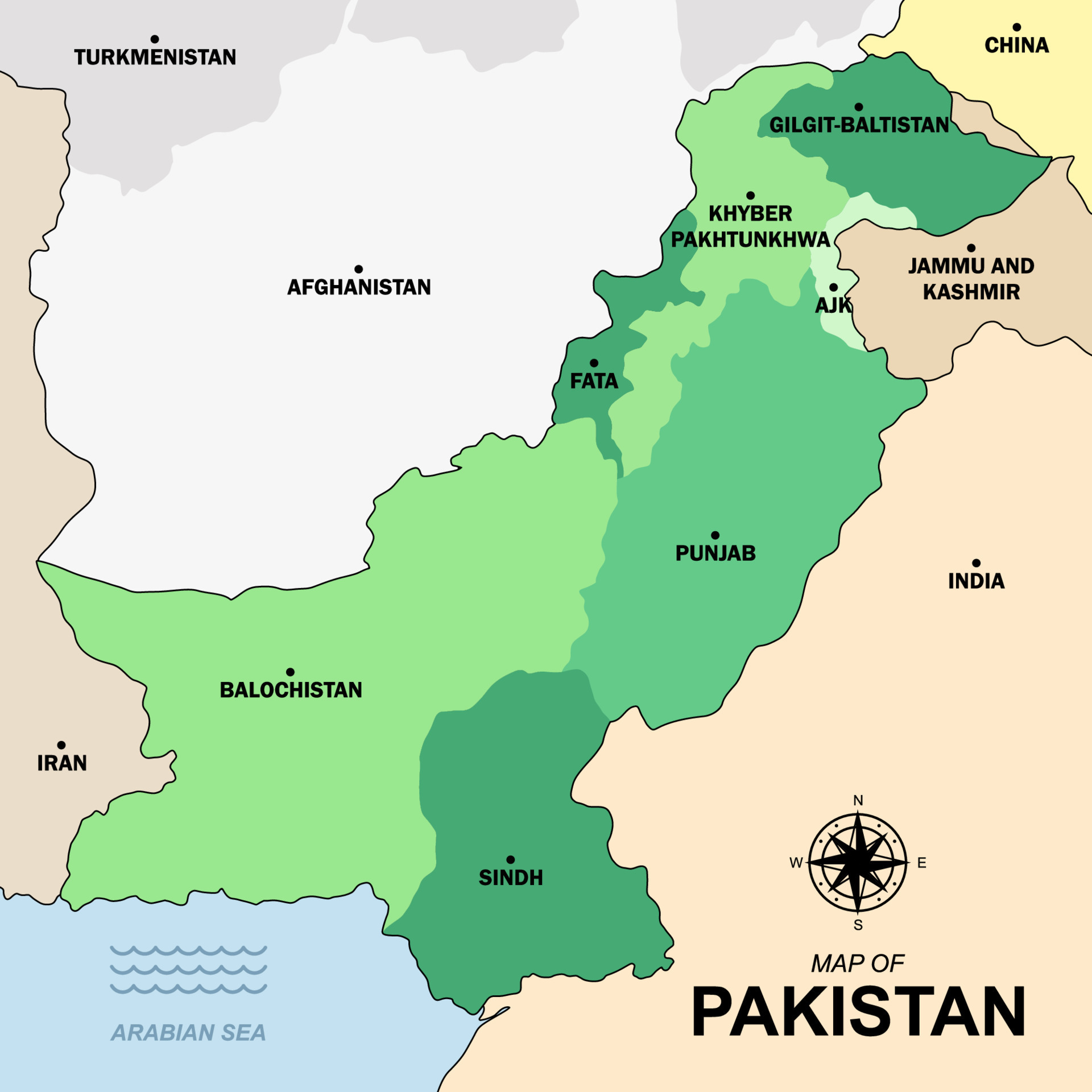
Whispers from Islamabad point to a sweeping proposal backed by military leadership, including Field Marshal Asim Munir, to carve Pakistan's four massive provinces into anywhere from 12 to 15 smaller administrative units. On paper, the pitch sounds reasonable. Provinces like Punjab house over half the country's population, making them notoriously difficult to govern, fund, or police effectively. But looking past the talking points reveals a much sharper political reality. This isn't just about fixing municipal water supply or cutting down red tape. It's a calculated move to dismantle regional power centers and centralize authority in Rawalpindi. If you found value in this piece, you might want to read: this related article.
Why the Current Map Frustrates the Establishment
Pakistan's four traditional provinces—Punjab, Sindh, Khyber Pakhtunkhwa, and Balochistan—operate as heavyweights. They aren't just lines on a map; they are deeply entrenched political power bases. Punjab has long been the stronghold of the Pakistan Muslim League-Nawaz (PML-N), while Sindh remains firmly under the banner of the Pakistan Peoples Party (PPP).
These regional strongholds give local political elites enough leverage to push back against federal overreach. When a province holds massive demographic weight and local legislative power, it can occasionally block central directives. For another perspective on this development, refer to the recent coverage from Al Jazeera.
The military-backed administration, navigating high inflation, stubborn insurgencies in Balochistan, and intense pressure from Imran Khan's political base, views these large provinces as structural bottlenecks. Interior Minister Mohsin Naqvi and Planning Minister Ahsan Iqbal have leaned heavily into the argument that a population crossing 250 million needs a decentralized map to function. Smaller units theoretically streamline tax collection and speed up local project delivery. Yet, convenience rarely drives structural overhauls of this magnitude.
The Playbook of Weakening Alternative Power Centers
Breaking up giant provinces like Sindh or Punjab into bite-sized states changes the math of influence. Smaller administrative units are inherently weaker. They possess fewer independent revenue streams, smaller local police apparatuses, and less institutional clout.
Instead of negotiating with powerful provincial chief ministers who command millions of voters, federal planners and military strategists could deal with fractured, financially dependent local administrations. When states rely entirely on Islamabad for their budgets, compliance follows naturally.
History offers a warning here. In 1955, Pakistan experimented with the "One Unit" scheme, merging western provinces to centralize state power. That top-down engineering alienated regional populations and deepened the grievances that ultimately fractured the country in 1971. Repeating a similar exercise under the guise of administrative reform ignores the fragile state of the current federation.
The Constitutional Minefield and Regional Backlash
You can't just redraw a country's internal borders with an executive memo. Altering provincial boundaries requires navigating strict constitutional safeguards, specifically Article 239, clause 4, which protects provincial borders from being changed without a two-thirds majority vote from the affected provincial assembly.
That hurdle has already turned legislative halls into war zones. The Sindh Assembly delivered a swift, unanimous rejection of any attempt to slice up its territory. Lawmakers in southern provinces view the plan as a direct assault on regional identity and cultural survival. Protests have flared up from Karachi to Hyderabad, tapping into historical anxieties and reviving fringe nationalist rhetoric.
Even within the ruling coalition, friction is mounting. While federal ministers hint that the changes could roll out as early as the new year, regional coalition partners are refusing to play along. Pushing a 28th Constitutional Amendment through a fractured parliament without broad consensus risks triggering a full-scale constitutional crisis.
What Comes Next for the Federation
The push for smaller states highlights a desperate search for stability in a country grappling with crushing debt, crumbling infrastructure, and restless youth demographics. But trying to engineer political obedience through cartography rarely ends well.
If the administration forces the issue, it may succeed in fragmenting regional opposition parties in the short term. At the same time, it risks alienating entire populations who see the map change as an existential threat. Managing a nation requires more than administrative tinkering; it requires legitimacy that a redrawn border simply cannot manufacture.
Asim Munir's 'Tukde-Tukde' Plan? Why Pakistan Could Go From 4 Provinces To 15 | Times Axis
This video explores the strategic motivations behind Pakistan's proposed administrative overhaul and the political fallout of redrawing provincial boundaries.