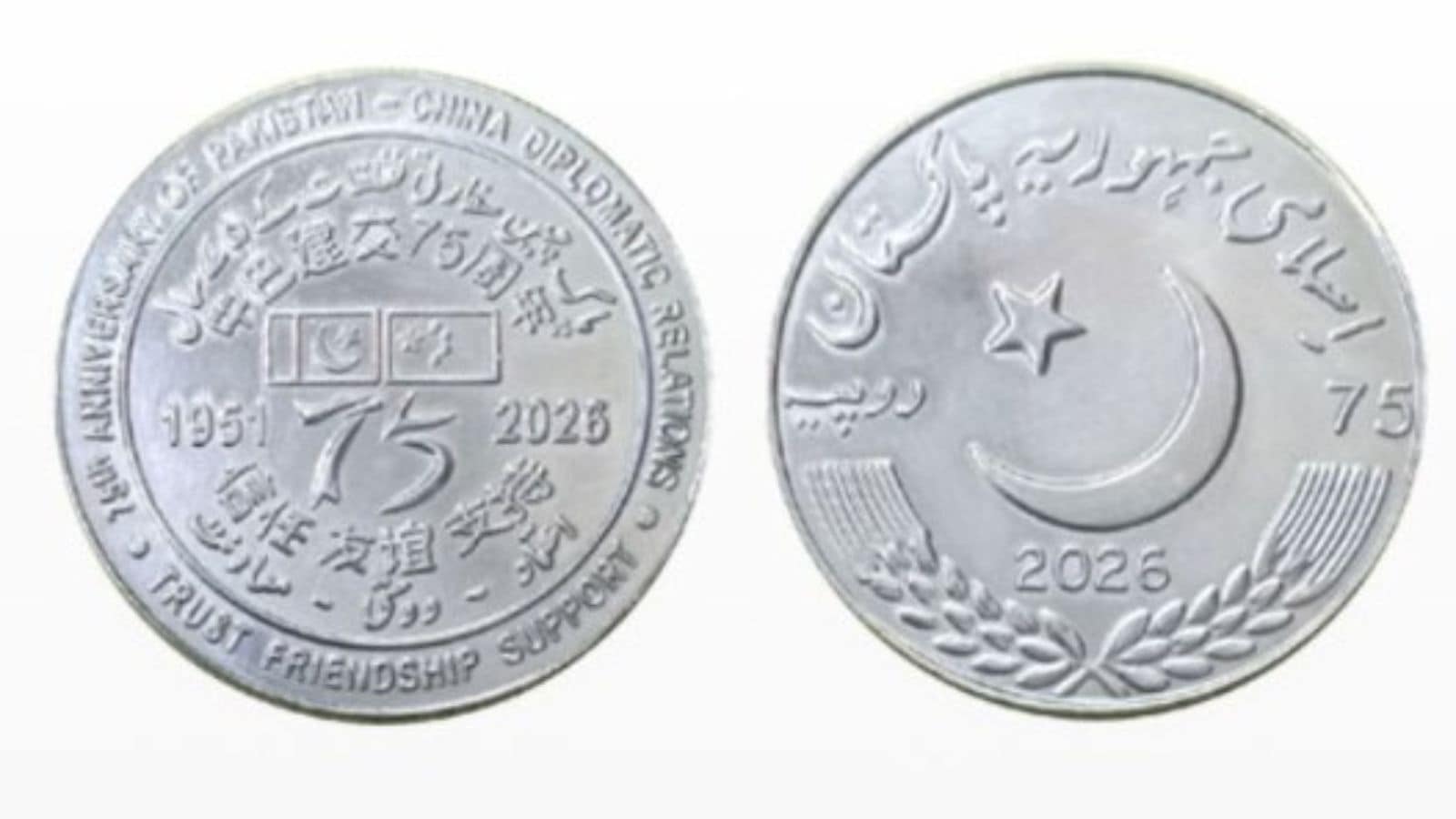
Pakistan is issuing a new commemorative coin to mark 75 years of diplomatic ties with China. On the surface, it looks like a standard diplomatic gesture. Governments issue coins all the time. They polish them, hold press conferences, hand them out to diplomats, and stash them in museums. But this specific coin tells a much bigger story about economics, shifting regional power, and a relationship that both nations call iron brothers.
If you think this is just about pocket change, you're missing the bigger picture. For an alternative view, read: this related article.
The State Bank of Pakistan got the green light from the federal government to mint this special coin. It isn't meant for your daily grocery run. It's a symbolic token. Yet, the timing tells us exactly why both Islamabad and Beijing need this public display of unity right now. Pakistan faces massive economic hurdles. China is recalibrating its global investments. This coin is a loud message to the rest of the world that the bilateral alliance remains untouched by internal or external pressures.
The Reality Behind 75 Years of Pakistan and China Relations
Anniversaries are great for speeches. But let's look at what 75 years actually means for these two neighbors. The relationship started in the early 1950s. Pakistan was among the first Muslim countries to recognize the People's Republic of China. Since then, the bond evolved from basic diplomatic recognition into a deep military and economic partnership. Further coverage on this matter has been provided by TIME.
We see this clearly in the China-Pakistan Economic Corridor, or CPEC. It's a multi-billion dollar cluster of infrastructure and energy projects. CPEC changed the map of Pakistan. It brought highways, coal plants, and the deep-water Gwadar Port.
But it didn't come without friction.
Critics often point out the rising debt burdens. Some analysts worry about Pakistan's reliance on Chinese loans. Security issues also complicate things. Separatist groups have targeted Chinese engineers working on infrastructure projects in Balochistan and Karachi. Beijing has demanded tighter security, and Islamabad has scrambled to provide it.
That's why this commemorative coin matters. It serves as a visual reassurance. It signals to investors, critics, and rival nations that despite security scares and debt debates, the foundation is solid.
What the Pakistan and China Commemorative Coin Looks Like
The State Bank of Pakistan takes coin design seriously when it comes to major milestones. For a 75-year anniversary, the aesthetics have to reflect shared history.
Typically, these coins feature iconic symbols from both countries. You will see the Pakistani crescent and star sharing space with Chinese national symbols, like the Tiananmen Gate or the five stars of the Chinese flag. The numbers 75 are prominently displayed, often intertwined with floral patterns or traditional art styles from both cultures.
The metal composition matters too. These aren't cheap aluminum tokens. The central bank uses durable alloys, sometimes silver plating, to ensure the coins last for decades in numismatic collections. They are produced in limited quantities.
How to Get Your Hands on One
If you're a collector or just someone who wants a piece of history, you can't just find these in your change jar. The State Bank of Pakistan releases them through specific channels.
- State Bank Museum: The main museum in Karachi usually stocks these first.
- BSC Offices: Field offices of the SBP Banking Services Corporation across major cities like Islamabad, Lahore, and Peshawar receive limited allocations.
- Official Diplomatic Events: A large portion is reserved for state gifts given to visiting Chinese dignitaries and officials.
Expect to pay a premium above the face value of the coin. The face value is symbolic. The real cost reflects the minting quality and the presentation case.
The Politics of Minting Money
Currency is a declaration of sovereignty. Commemorative currency is a declaration of priority. When a country mints a coin for another nation, it tells you exactly who its closest ally is.
Think about the global landscape. Western nations often press Pakistan on various geopolitical fronts. In contrast, Beijing offers a partnership with fewer public lectures on internal governance. This relationship survived the Cold War, the war on terror, and massive shifts in global trade.
We also see a psychological element at play here. For the Pakistani public, the coin is a reminder of a reliable friend. For China, it reinforces its footprint in South Asia. It shows that its Belt and Road Initiative has deep roots that go beyond mere business contracts.
How to Start Collecting Pakistani Commemorative Coins
If this news makes you want to start a coin collection, don't just jump in blindly. The market for commemorative coins can be tricky. Value depends entirely on condition, rarity, and documentation.
First, always keep the original packaging. The boxes and certificates of authenticity issued by the State Bank of Pakistan hold immense value for serious collectors. If you lose the box, the value drops significantly.
Second, never clean the coin. This is a rookie mistake. Rubbing a coin with cloth or chemicals ruins the mint luster and creates tiny scratches that experts spot instantly. Handle them only by the edges, or better yet, leave them in their protective plastic capsules.
Track the mintage numbers. Ask the central bank or check their official circulars to see exactly how many pieces were minted. Lower numbers mean higher future value on the secondary market. You can track these updates directly through the State Bank of Pakistan official portal.
Keep an eye on local auction groups and numismatic societies in Karachi and Lahore. They are the best spots to gauge the actual market demand once the initial hype dies down.


