Media coverage of indigenous land disputes follows a lazy, predictable script. A tense headline drops, social media lights up with performative outrage, and the public is funneled into a binary trap. You are handed two equally useless options: foam at the mouth over fringe agitators or nod along with corporate press releases pretending local administrative bodies possess absolute authority. Both sides miss the mechanical reality of how modern jurisdictional friction actually works.
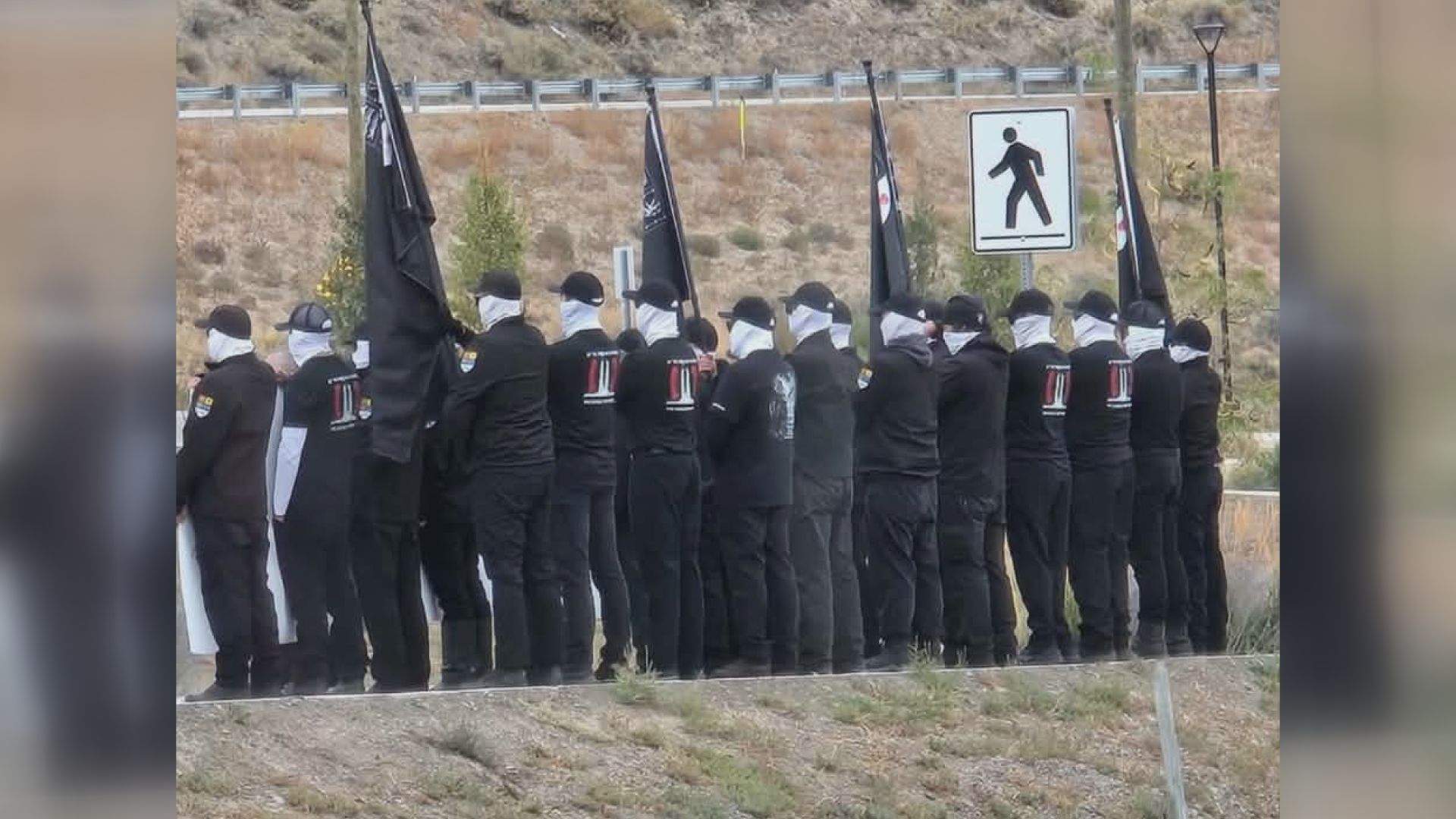
Take the recent flashpoint involving the Tk’emlúps te Secwépemc reserve. When reports surfaced that a self-identified nationalist group had staged a demonstration on reserve territory, the immediate reaction was standard political theater. Pundits rushed to assign the event to a rising tide of racial animus. They framed the disruption through a lens of pure cultural conflict, reducing a complex, overlapping web of municipal, provincial, and First Nations jurisdiction into a simple story of good versus evil.
That narrative is comforting because it requires zero critical thinking. It is also entirely wrong.
By treating every localized flare-up as an ideological war, commentators ignore the administrative vacuum that invites these clashes in the first place. When governance structures overlap without clear, enforceable boundaries of accountability, bad actors move into the gray zones. We have built a system of land management based on perpetual ambiguity, and then we act shocked when friction occurs.
To understand why these protests happen and why the standard media response fails, we have to look past the placards and examine the machinery of land tenure.
The Illusion Of Clear Borders
Every time a dispute erupts over reserve boundaries or traditional territories, media outlets speak of indigenous land as if it operates under a neat, self-contained set of deeds. It does not. Canadian property law is a messy patchwork of colonial statutes, modern land claims, overlapping historical footprints, and municipal encroachment.
When a nationalist group or any external organization marches onto a reserve, they are exploiting a legal twilight zone. Local band councils possess distinct administrative duties, but their statutory powers under the Indian Act are notoriously constrained. They manage community affairs, housing, and local services, yet their veto power over broader regional access or resource corridors is constantly tested by provincial and federal oversights.
When activists or agitators challenge this framework, they are not just staging a protest against a community; they are poking at the structural seams where federal jurisdiction frays into provincial jurisdiction.
The media frames this as racial hostility because racism makes for high engagement numbers. But reducing a jurisdictional gray area to a hate crime obscures the institutional failure that allowed the trespass to happen unhindered in the first place. If the enforcement mechanisms between the Royal Canadian Mounted Police, provincial ministries, and indigenous police services were streamlined and mutually respected, fringe groups would not see reserves as soft targets for political stunts.
The Cost Of Performative Condemnation
Politicians love a good condemnation. Within hours of the Tk’emlúps incident, federal and provincial leaders released statements decrying the demonstration. These statements shared a common trait: they were entirely weightless.
Condemnation is a cheap substitute for policy reform. Every hour spent by elected officials drafting sharp tweets about extremist fringe groups is an hour not spent untangling the legal mess that makes indigenous communities vulnerable to provocation.
Consider the economic impact of this ongoing administrative paralysis. Real investment on or near reserve lands requires predictable regulatory pathways. When businesses and developers look at regions marked by unresolved jurisdictional disputes, they see high risk. Instead of building robust partnerships with First Nations governments, external actors often try to bypass them by lobbying provincial capitals, creating a cycle of resentment and confrontation.
The nationalist groups waving flags on reserve roads are a symptom of this dysfunction, not the cause. They are attention seekers capitalizing on a system that leaves boundaries fuzzy and enforcement reactive. When we hyper-focus on the protestors, we reward them with the exact oxygen they crave while letting the actual architects of jurisdictional chaos off the hook.
Fixing The Engine Instead Of Polishing The Hood
If we want to stop these incidents from recurring, we have to abandon the illusion that public statements solve systemic bugs. The solution requires structural redesign, not moral posturing.
First, provincial governments must stop treating First Nations as municipal annexes and start treating them as co-equal jurisdictions with absolute authority over their internal access and land use. That means giving band councils the legal teeth to trespass unauthorized political agitators instantly, backed by the automatic enforcement of provincial and federal policing bodies.
Second, the federal government needs to accelerate the resolution of overlapping traditional territory claims. For decades, Ottawa has benefited from dragging out land negotiations, keeping indigenous communities in a state of perpetual legal limbo. That limbo is precisely what external groups exploit. Clear, final, unassailable boundaries eliminate the gray zones where agitators thrive.
Finally, the public needs to stop falling for the outrage bait. The next time a fringe group pulls a stunt on indigenous land, do not ask which politicians issued the sternest condemnation. Ask why the legal framework allowed them to get there in the first place, and why the state continues to profit from administrative ambiguity.
Until we fix the foundation, the theater will continue. Stop watching the actors on the stage and start looking at who built the set.