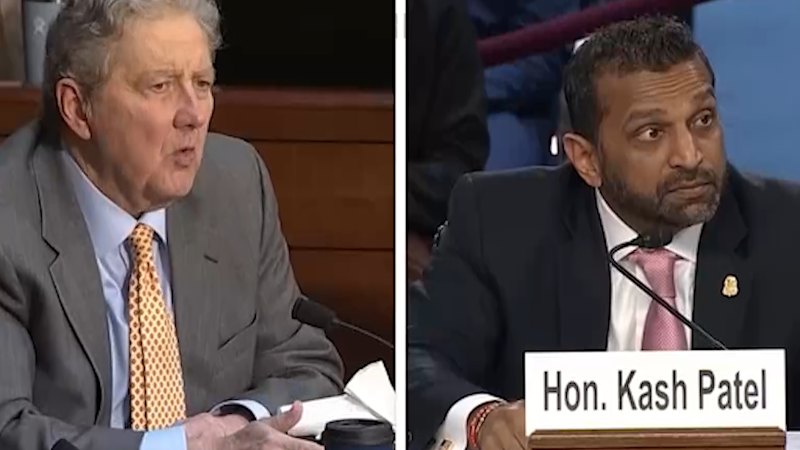
The media ecosystem thrives on shock value. Take a complex institutional policy adjustment, strip away every ounce of nuance, inject a repulsive keyword into the headline, and watch the outrage machine print clicks. That is precisely what happened when FBI Director Kash Patel defended updates to the bureau's employment vetting standards.
The lazy consensus across the digital commentary track was simple and hysterical. Outlets shrieked that the bureau was rolling out the red carpet for degenerates, framing a technical bureaucratic tweak as an alarming descent into institutional depravity.
It was a masterclass in dishonest framing. And it completely missed the functional reality of how federal background checks operate.
The Mechanical Reality of Automatic Disqualifiers
To understand why the policy changed, you have to look at how rigid government hiring rules actually function. For decades, federal law enforcement agencies relied on blunt-force automatic disqualifiers. If an applicant checked a specific box on a polygraph or background disclosure—such as past involvement in prostitution or incidents categorized under bestiality—the application died instantly. Zero discretion. Zero context.
The rationale behind these blanket bans sounded noble on paper: protect the pristine moral image of the badge. But rigid zero-tolerance policies in bureaucratic systems always create perverse outcomes.
Imagine a scenario where a teenager is trafficked, abused, and coerced into horrific situations by criminal syndicates. Years later, that individual escapes, heals, earns a degree in criminal justice, and applies to serve their country at the FBI. Under the old categorical ban, their application was incinerated the moment they honestly disclosed the trauma they survived. The system punished the victim twice—first by their abusers, second by federal human resources.
That is what Patel and his team altered. They did not open the floodgates for perpetrators. They removed the automatic disqualification so that victims of trafficking and severe abuse could be evaluated on a case-by-case basis.
Yet, during the Senate Judiciary Committee oversight hearing, lawmakers like Louisiana Senator John Kennedy turned the complex legal distinction into political theater. Posing theatrical questions about "whose side of the bestiality" an applicant was on, the exchange went viral because nuance is dead in modern political discourse. The media happily played along, burying the core humanitarian rationale beneath waves of snark.
The Cost of Rigid Bureaucracy
Critics love to pretend that government agencies can operate with zero tolerance for human complexity while simultaneously complaining that these same agencies suffer from recruitment shortages. You cannot demand an airtight moral purity test that screens out every person who has ever suffered severe trauma or exploitation, and then act shocked when talent pipelines dry up.
Federal background investigations are already among the most invasive vetting processes on earth. They involve exhaustive polygraph examinations, multi-state record checks, neighborhood interviews, and financial audits. A security clearance investigator does not need a blunt corporate checkbox to determine whether someone is fit to carry a firearm. They need discretion.
By shifting from a categorical ban to a discretionary review, the FBI aligned itself with basic logic: victims of human trafficking and forced criminal exploitation should not be permanently barred from public service.
The alternative—maintaining a rigid rule that rejects survivors because a clumsy label makes for uncomfortable Senate hearings—is not high-minded ethics. It is institutional cowardice.
Stop falling for the outrage bait. The real story isn't that federal standards are slipping into depravity. The real story is that Washington is finally admitting that survivors of abuse deserve a fair look instead of an automatic rejection slip.