Sirens blared, emergency text alerts lit up cell phones, and residents near a major military hub scrambled for safety. That was the reality in Pyeongtaek, South Korea, after local authorities warned of a dangerous chemical leak.
Panic spread quickly. People living near Osan Air Base were told to evacuate immediately and avoid skin exposure to what officials initially flagged as white phosphorus. But honesty matters here. The initial alarm turned out to be a false positive, exposing deep anxieties about foreign military installations sitting right next to civilian neighborhoods.
What Triggered the Emergency Alert
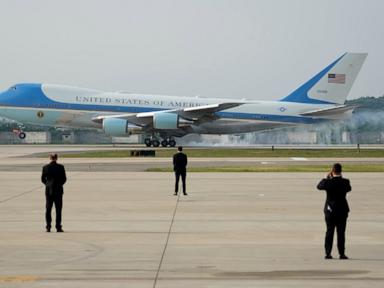
The incident kicked off during a routine inspection of munitions inside a depot at the K-55 Osan Air Base, located roughly 60 kilometers south of Seoul. Inspectors spotted crystallization and residue on hardware that raised immediate red flags.
Local police received an emergency call, and the Pyeongtaek city government didn't wait around. They pushed out disaster alert text messages warning of a potential white phosphorus leak.
Why did they react so fast? White phosphorus is nasty stuff. It is a reactive chemical used in military smoke shells and incendiary munitions. When it meets oxygen, it ignites violently and burns at extreme temperatures. Skin contact causes horrific injuries, and inhaling the smoke can be fatal. Local officials followed standard protocol by prioritizing public safety, issuing evacuation warnings, and deploying firefighters alongside US military explosive ordnance disposal teams.
The alert lasted roughly half an hour before being lifted as initial decontamination work wrapped up. Yet, the rapid shift from a suspected catastrophe to an all-clear left many citizens questioning how communication between local governments and foreign military bases actually functions.
The Reality Behind the Residue
Days after the initial chaos, the US military released findings that completely changed the narrative. Follow-up laboratory analysis confirmed that the residue found during the inspection was not white phosphorus at all.
Instead, experts identified the substance as non-hazardous surface corrosion caused by ordinary environmental exposure over time. No toxic chemicals had leaked, and zero injuries were reported. Col. Ryan Ley, commander of the 51st Fighter Wing, publicly thanked the city for its partnership, praising the community for remaining patient while hazardous response teams investigated the site.
False alarms happen. When dealing with aging military hardware and harsh weather conditions, metal degradation looks suspicious. Technicians often err on the side of caution. If a routine check reveals strange crystallization on munitions storage units, reporting it as a potential hazard is the right call, even if follow-up tests prove otherwise.
The Broader Tension Around Foreign Bases
You can't look at this incident purely as a chemical mishap. The context runs much deeper. Roughly 28,500 American troops are stationed across South Korea to deter potential aggression from North Korea.
That massive military footprint creates persistent friction. While many citizens view the alliance as vital for national defense, others harbor deep resentment. Local communities bear the environmental risks, noise pollution, and occasional safety scares tied to foreign bases.
Just days after the Osan Air Base scare, a separate group of South Korean students was detained for trespassing onto the facility while shouting anti-US slogans. Incidents like the white phosphorus scare act as flashpoints, reigniting long-standing debates about transparency, sovereignty, and the safety of citizens living in the shadow of foreign war machines.
What Local Residents Should Do Now
If you live near a major military installation, preparedness involves understanding how local emergency systems operate.
- Monitor official municipal text alerts and emergency broadcast channels during sudden industrial or military incidents.
- Familiarize yourself with designated evacuation routes in Pyeongtaek and surrounding districts.
- Rely on verified updates from municipal governments and military public affairs offices rather than unverified social media rumors.
Clear communication prevents mass panic. When local authorities and military commanders share accurate data quickly, everyone stays safe without unnecessary chaos.