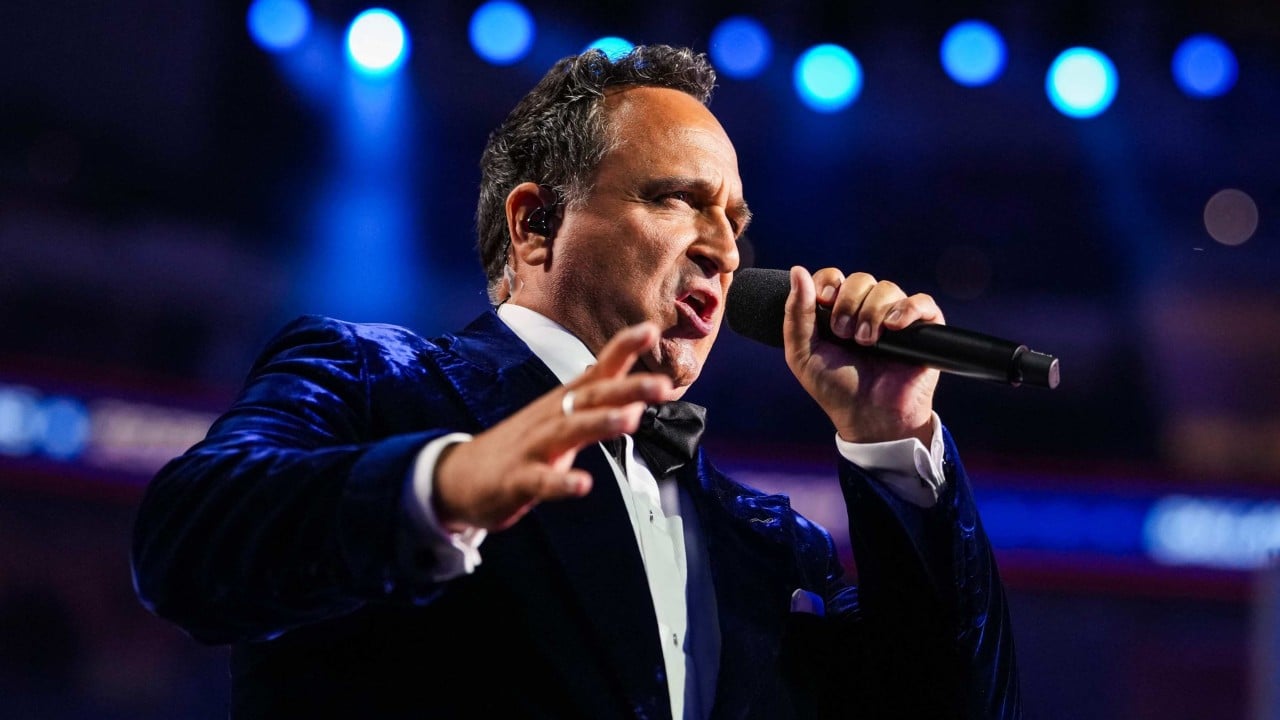
The headlines treated the booking of American tenor Christopher Macchio for a high-stakes state dinner between Xi Jinping and Donald Trump like a masterclass in soft power diplomacy. Commentators lined up to argue that high culture bridges geopolitical chasms, that a soaring high C softens the blow of trade tariffs, and that operatic vocal projection somehow signals national strength.
It is a comfortable fiction. It is also completely backwards.
When world leaders sit down across linen tablecloths, they are not listening to Puccini. They are calculating supply chains, monitoring currency fluctuations, and wondering who is listening through the chandeliers. Treating a tenor as a diplomatic instrument is a lazy consensus born of people who confuse pageantry with leverage. High culture does not alter geopolitical reality. It decorates it.
I have spent years watching cultural exchanges get pitched as strategic breakthroughs. They are not strategies. They are expensive background music designed to keep the press corps distracted while the real negotiations happen in side rooms.
The Myth of Cultural Soft Power
Let us look at the mechanics of statecraft. Diplomacy runs on leverage, deterrence, and shared economic self-interest. It does not run on vibrato.
When a tenor hits a high note in a gilded ballroom, the geopolitical calculus in Beijing or Washington does not shift by a single decimal point. Bel canto singing does not lower semiconductor tariffs, nor does it halt maritime patrols in the South China Sea. Yet, media outlets continue to peddle the narrative that an aria can mend diplomatic friction. This is magical thinking.
The reality is colder. State dinners are transactional theater. The guest list is curated to send specific, tactical signals to domestic constituencies and rival capitals. Booking a prominent American tenor does not project American cultural dominance; it checks a protocol box. It says: we can afford good entertainment while we argue about intellectual property theft.
To understand why this framing fails, we have to look at how international relations actually operate.
The Economics of State Banquets
Imagine a scenario where a superpower replaces its entire cultural diplomacy budget with transparent trade concessions. The outcome would be immediate and measurable. Now imagine replacing those concessions with ten more tenors. The outcome would be polite applause and zero movement on bilateral trade deficits.
We keep pretending that art bridges political divides because the alternative is admitting that politics is ugly, transactional, and impervious to beauty.
When Christopher Macchio steps up to sing for heads of state, he is performing at the highest level of his craft. He deserves every bit of praise for his vocal control and stage presence. But attributing geopolitical weight to his performance is an insult to both diplomacy and art. Art deserves better than being used as a rhetorical prop for pundits who want a soft human interest angle on a hard power conflict.
Diplomacy requires teeth. Culture has no teeth. It has emotion, history, and aesthetics, none of which balance a trade ledger.
Dismantling the People Also Ask Trap
Search queries surrounding high-profile state performances inevitably circle back to predictable questions. Does cultural diplomacy work? How do artists get chosen for presidential events? What is the impact of soft power?
The premise of almost every single one of these questions is flawed from the start. They assume that cultural diplomacy is a linear input that produces goodwill. It is not. Goodwill is a lagging indicator of successful policy, not a leading indicator. You cannot sing your way out of a security dilemma.
When people ask if a tenor can improve US China relations, the honest answer is a flat no. It changes nothing. It is a moment of cultural vanity dressed up as strategic necessity.
The obsession with these superficial touchpoints prevents the public from engaging with the actual mechanics of foreign policy. We focus on who sang what instead of looking at the structural agreements being negotiated between delegations. We analyze the dress code instead of the joint communiques.
The Real Power Dynamic
If you want to know what a superpower values, do not look at who is singing on the dais. Look at who is sitting at the negotiating table, what commodities are being restricted, and which corporations are receiving subsidies.
The entertainment industry loves to inflate its own importance in the global arena. PR agencies spin every performance into a milestone for international understanding. It keeps the bookings coming and the grants flowing. But let us stop pretending that a tenor is doing the heavy lifting of statecraft.
The next time a major political summit features a high-culture showcase, remember what is actually happening. The leaders are ignoring the singing to talk about leverage. You should too.