The headlines are predictable. A robotics manager at OpenAI resigns because the company dared to sign a deal with the Pentagon. The internet reacts with the usual mixture of performative outrage and "I told you so" cynicism. We are supposed to believe this is a tragic loss of innocence for a company that once promised to benefit all of humanity.
That narrative is a fairy tale for people who don't understand how power, capital, or hardware actually work.
The "Don't Be Evil" era of Silicon Valley died a decade ago, but its ghost still haunts every HR exit interview. This resignation isn't a principled stand; it is a fundamental misunderstanding of the trajectory of artificial intelligence. If you are building world-class robotics and you think you can avoid the defense sector, you aren't a visionary. You are an amateur.
The Myth of "Pure" Research
Every major technological leap that defines your daily life—the internet, GPS, voice recognition, the very silicon chips inside your phone—originated in a laboratory funded by the military. To pretend that AI can be "clean" while every other foundational layer of modern society is "stained" by defense spending is an exercise in cognitive dissonance.
When a high-level manager leaves over a Department of Defense contract, they aren't saving the world. They are just handing the steering wheel to someone who has fewer qualms and perhaps less competence. This "conscientious objection" ignores the reality that if the most "ethical" companies refuse to touch defense tech, the vacuum is filled by contractors whose only internal metric is the quarterly earnings report, not AGI safety.
I’ve seen this cycle repeat at Google with Project Maven and at Microsoft with the HoloLens IVAS program. Employees revolt, leadership backpedals, and the work just moves to a black box where there is zero public oversight. By leaving the room, you lose your seat at the table where the rules of engagement are actually written.
Robotics is the Real Reason for the Pivot
OpenAI isn't a software company anymore. It is a resource-intensive infrastructure play.
Large Language Models (LLMs) are great for writing emails and generating mediocre art, but the real value of intelligence is its application in the physical world. Robotics is where the rubber meets the road—literally. But robotics is expensive. It requires hardware, testing grounds, and massive amounts of data that you cannot simply scrape from Reddit.
The Pentagon is the world's largest venture capitalist for hardware. They provide the edge cases that commercial markets won't touch for years. If you want a robot that can navigate a collapsed building or operate in a communication-denied environment, you don't go to a suburban mall. You go to the military.
By partnering with the Pentagon, OpenAI isn't "selling out." They are securing the testing environments and funding necessary to make robotics viable. Without these high-stakes contracts, the dream of a general-purpose humanoid assistant remains a $100,000 toy for tech enthusiasts.
Silicon Valley’s Selective Morality
Let’s be honest about where the money comes from.
The venture capital firms that fueled OpenAI’s rise manage money for sovereign wealth funds and massive institutional investors with deep ties to global defense and resource extraction. There is no such thing as "clean money" at the billion-dollar scale.
If you are comfortable taking money from a firm that invests in fossil fuels or repressive regimes, but you draw the line at a contract that helps the U.S. military optimize its logistics or cyber-defense, your moral compass isn't broken—it’s just fashionable. It’s easy to quit when your stock options have already vested and your LinkedIn profile is a gold mine.
The Brutal Logic of Global Competition
We are currently in a zero-sum race for AI supremacy. This isn't a thought experiment; it's a geopolitical reality.
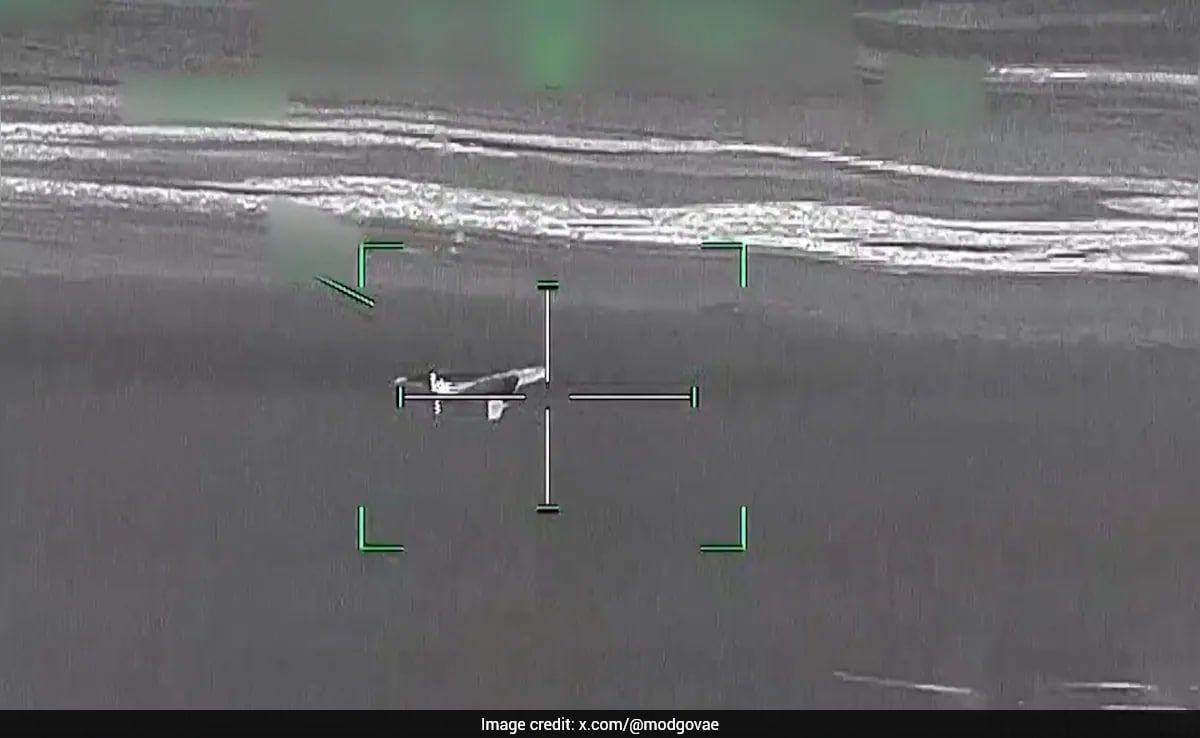
If OpenAI, Google, and Anthropic are hamstrung by internal revolts every time they talk to the government, they will lose. Not to each other, but to state-sponsored entities in countries that do not have HR departments or Slack channels for debating the ethics of a drone's vision system.
Imagine a scenario where the world’s most advanced physical AI is developed exclusively by a regime with zero interest in democratic values because Western engineers were too busy protecting their personal "brand" to work on defense projects. That is the outcome of this mass exodus of "principled" talent. It is a retreat into a bubble of safety that ensures the outside world becomes more dangerous.
The Fallacy of the "Dual-Use" Barrier
Critics love to talk about "dual-use" technology as if there is a clear line between a robot that stocks a shelf and a robot that carries a rifle. There isn't.
$F = ma$
The physics of movement, the computer vision required to identify an object, and the pathfinding algorithms used to navigate a room are identical regardless of the intent. If you build a robot that can save a human from a fire, you have built a robot that can find a human in a bunker.
Refusing the Pentagon deal doesn't stop the technology from being "weaponized." It just ensures that the people building the foundation have no influence over how the final product is used. It is a surrender masquerading as a victory.
Why OpenAI is Moving Faster Than Its Employees
Sam Altman and the leadership at OpenAI have realized something their employees haven't: the "non-profit" origin story is a liability in a world that requires $100 billion data centers.
To achieve AGI, they need more than just smart researchers. They need energy, land, and the protection of the state. The Pentagon deal isn't about building "Terminators." It's about data, infrastructure, and ensuring that the most powerful AI company in the West is an indispensable partner to the most powerful government in the West.
It is a play for survival.
The Actionable Truth
If you are a developer or a manager in this space, stop asking if your work is "good" or "evil." Those are labels for children. Ask if your work is consequential.
If you want to influence the future of warfare or autonomous systems, you don't do it by quitting and joining a startup that makes an app for scheduling dog walkers. You do it by staying in the room, understanding the requirements of the contract, and building the guardrails into the code itself.
The "moral" resignation is the ultimate act of privilege. It allows the individual to keep their hands clean while the rest of the world deals with the consequences of their absence.
Stop mourning the loss of OpenAI’s "soul." It never had one. It has a mission. And if that mission requires the Pentagon, then the Pentagon is exactly where they should be.
The exit of a robotics manager isn't a sign of a company in crisis. It's a sign of a company finally growing up and realizing that you can't change the world from a safe distance.
Pick a side or get out of the way.