A viral video can burn down a retail footprint faster than any regulatory audit.
That brutal reality hit the British skincare brand Opatra London when footage exploded across social media showing a 58-year-old woman kneeling and weeping outside its Sha Tin branch in New Town Plaza. The customer claimed she lost over HK$60,000—including heavy interest charges—after being reeled in by a casual compliment and subjected to relentless high-pressure sales tactics. Meanwhile, you can explore similar developments here: The Strange Rise of Corgi Racing and the Death of the Traditional Track.
Local branches abruptly went dark. Shuttered gates rolled down at malls across Sha Tin and Yuen Long. And corporate headquarters in the United Kingdom instantly scrambled to draw a thick, unmistakable line between the global brand and its independent Hong Kong operators.
The Anatomy of a High Pressure Retail Scandal
High-pressure cosmetic sales tactics rely on a predictable trap. You walk through a mall, a friendly employee offers a compliment or a quick free sample, and suddenly you are cornered inside a brightly lit retail space. To see the full picture, check out the detailed report by Investopedia.
In this specific case, the customer stated she was invited inside simply to take a photo. Within minutes, that innocuous interaction allegedly morphed into a financial nightmare involving massive credit card charges for anti-aging devices and skincare items she never intended to buy. Compounding the anger, she claimed she developed skin allergies from the products and faced a brick wall when asking for a refund.
When the video hit digital platforms, public fury exploded. Comment sections flooded with similar horror stories from shoppers who felt cornered by aggressive retail workers across various Hong Kong shopping centers.
The Corporate Finger-Pointing Begins
As public scrutiny intensified and local customs authorities opened active probes under the Trade Descriptions Ordinance, Opatra London’s UK headquarters reacted by isolating itself from the fallout.
The global parent company pointed out what many global franchises try to hide when local scandals break: the physical outlets in Hong Kong were managed entirely by an independent local distribution partner. While the international brand builds its reputation on luxury home beauty devices and high-end skincare formulations, local franchisees handle day-to-day floor operations, sales quotas, and staff training.
By refusing to comment directly on the specific transactions while reviewing the situation from afar, the UK head office signaled an immediate PR containment strategy. They wanted to protect the core European and global trademark from localized toxic exposure.
How the Local Distributor Defended Itself
The Hong Kong distribution team did not stay quiet. They pushed back hard against the public narrative, issuing statements defending their sales protocol.
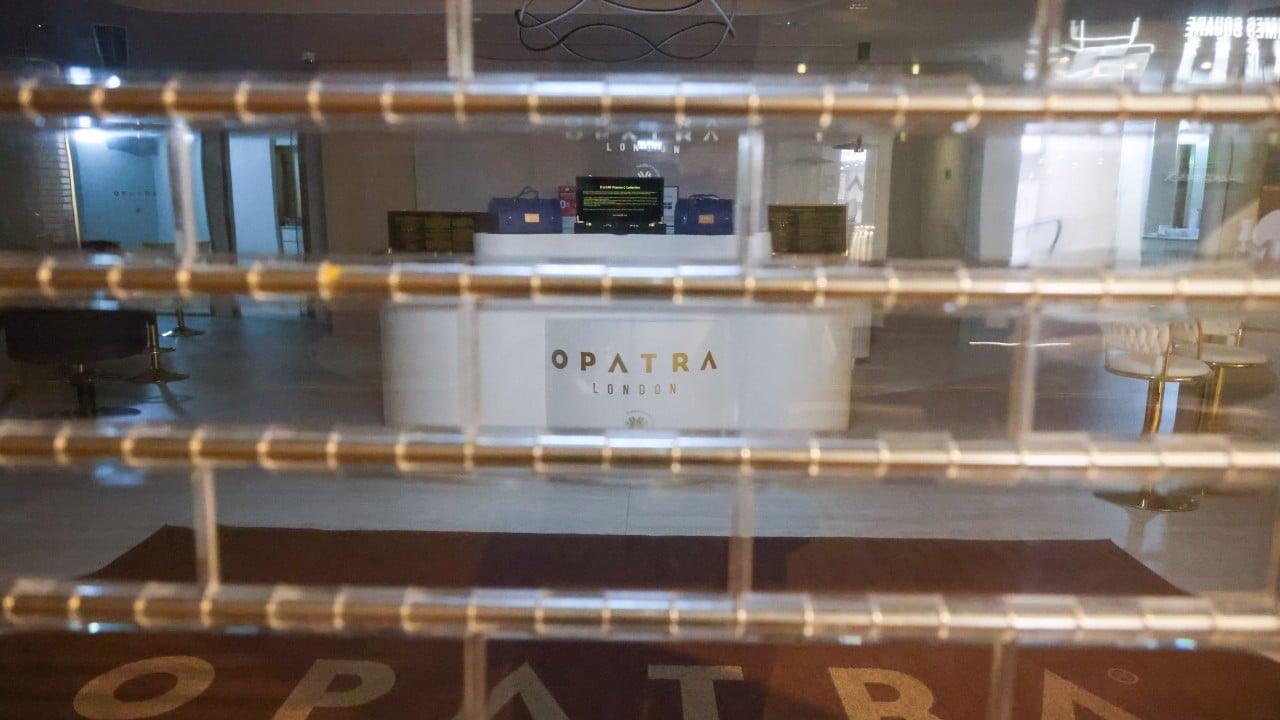
According to the distributor, their transaction records showed a completely transparent and compliant sales process with zero forced coercion. They defended the store's physical layout, noting that the open, glass-wall design meant customers could walk out freely at any given moment.
The company also claimed they had previously attempted to resolve the issue by offering a partial refund of HK$16,000 to ease the customer's financial stress, an offer they said was rejected. Instead, they argued that the situation escalated into targeted harassment and online doxxing of their retail staff, prompting them to collect evidence and reserve the right to pursue legal action.
Regardless of who holds the legal high ground, the damage to public trust is already done.
What This Means for Retail Franchises and Consumers
This mess exposes a glaring vulnerability for international beauty brands that rely on third-party distributors to expand into lucrative Asian markets. When you license your name out, you also license your brand reputation to store managers whose primary incentive is immediate sales volume rather than long-term customer goodwill.
If a local floor team crosses the line into predatory tactics, the parent company takes the hit on the global stage, regardless of distance or contractual separation.
For shoppers, the takeaway is simple. If a retail employee stops you with excessive flattery or lures you inside for a harmless photo or free trial, keep walking. High-pressure sales environments thrive on isolating you from your instincts until your credit card is already processing an irreversible charge. If a deal requires aggression to close, it is not a deal worth making.