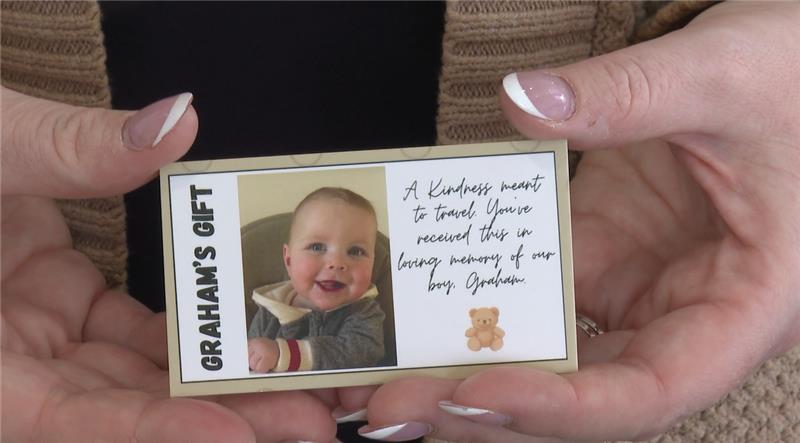
Most people don't want to talk about infant death. It’s the kind of tragedy that makes you look away because the weight of it feels impossible to carry. But for a family in Belleville, looking away wasn't an option. When they lost their infant son, they faced a choice that most parents can't even fathom in their darkest hours. They chose to say yes to organ donation, turning a personal catastrophe into a lifeline for others.
It’s a story that’s been told before, but usually with a layer of polite distance. We need to strip that away. Understanding the reality of infant organ donation—the logistics, the ethics, and the sheer bravery required—is how we actually honor legacies like this one. It's not just a "feel-good" news snippet. It’s a masterclass in human resilience and a call to action for a system that often forgets the smallest donors.
The Reality of the Pediatric Waitlist
The numbers are grim. You can't sugarcoat them. According to the United Network for Organ Sharing (UNOS), hundreds of children are added to the national transplant waiting list every year. For many of these kids, the only hope for a match is another child. Size matters in surgery. A toddler can't always receive an adult kidney or heart. The physical constraints of the human body make infant-to-infant donation a biological necessity.
When the Belleville family decided to donate their son’s organs, they weren't just making a symbolic gesture. They were filling a specific, desperate gap in the medical system. Smaller organs are rare. The criteria for donation are strict. The window of time is terrifyingly short.
Most people think of organ donation as something that happens to adults after a car accident. We forget the babies in the NICU. We forget the parents sitting in sterile waiting rooms praying for a miracle that can only come from another family’s worst day. That’s the brutal math of the transplant world. It’s a cycle of grief and hope that keeps spinning, often in total silence.
Navigating the Decision in the Middle of Grief
How do you even process a request for donation when you've just been told your child won't survive? Honestly, it sounds barbaric to some. But for the family in Belleville, it became a way to ensure their son’s name didn't just end with a date on a headstone. It gave his short life a measurable, physical impact on the world.
Medical teams are trained to handle these conversations with extreme care, but the burden still falls on the parents. In many cases, families feel a sense of "active" parenting in this moment. They’re still protecting a child. They’re still making decisions for their future, even if that future looks different than they planned. It’s a final act of stewardship.
The Role of Gift of Hope
In Illinois, organizations like Gift of Hope Organ & Tissue Donor Network facilitate these transitions. They don't just show up and take. They provide the clinical support and the bereavement resources that families need to navigate the aftermath. They bridge the gap between the hospital room and the operating theater.
For this Belleville family, the legacy isn't just about the organs themselves. It’s about the awareness they're building in their local community. They've sparked conversations in the Metro East area that wouldn't have happened otherwise. People are checking their donor status. They're talking to their partners about "what if." That’s the secondary transplant—the transplant of an idea into the public consciousness.
Why We Struggle to Talk About This
Society has a massive blind spot when it comes to pediatric donation. We've built up a "shroud of silence" around infant loss because it's uncomfortable. This silence is actually dangerous. When we don't talk about it, we don't fund the research needed to improve infant transplant outcomes. We don't support the grieving parents who feel isolated in their experience.
The Belleville story is a direct challenge to that silence. They’re saying, "My son existed, and his existence saved someone else." That’s a powerful stance. It’s an opinionated way to grieve. It rejects the idea that a short life is a wasted one.
The Medical Logistics of Infant Donation
The science here is fascinating and incredibly complex. Infant organs are remarkably resilient, but the surgical procedures are high-stakes. Surgeons working on neonates or infants have a tiny margin for error.
When a family consents to donation, a specialized team is mobilized. They coordinate with transplant centers across the country. For the Belleville family, this meant their son’s heart or liver could have traveled hundreds of miles to reach a matching recipient. The logistics are a marvel of modern medicine, involving chartered flights, police escorts, and surgeons who stay awake for 24 hours straight to ensure the "gift" isn't lost.
Misconceptions That Hurt the Cause
There are a few myths that consistently pop up when stories like this hit the news. We need to clear them up right now.
First, the idea that doctors won't work as hard to save your child if they know you're a donor is flat-out wrong. The medical team trying to save a life is entirely separate from the transplant team. They don't even talk until all life-saving efforts have failed.
Second, many people think infants are "too small" to be donors. That’s medically false. Newborns can donate heart valves, skin tissue, and even whole organs depending on the circumstances. Age is rarely the barrier; medical suitability is.
Building a Living Memorial
The Belleville family didn't stop at the donation. They’ve worked to keep the memory of their son alive through community events and advocacy. This is a crucial part of the "legacy" aspect. Donation isn't a one-time event that ends at the hospital exit. It’s a lifelong identity for the family left behind.
They've joined a community of "donor families" who find strength in one another. This network is a vital support system in the Metro East area. It’s where they can speak the name of their child without people getting awkward or looking away.
How You Can Actually Help
Reading a story like this should do more than just make you feel sad for five minutes. It should change how you operate. If you’re moved by what this Belleville family did, there are concrete steps you can take.
Don't just say "that's nice." Act on it. Register as a donor. Tell your family your wishes. If you have children, have the difficult conversation with your spouse about what you would do in a worst-case scenario. It sounds morbid, but being prepared is the greatest gift you can give your grieving self in the future.
Practical Steps for Residents
- Join the Registry: In Illinois, you can join the First-Person Consent Registry. This means your decision is legally binding and takes the pressure off your family later.
- Support Local Advocacy: Look into groups like the Belleville-based support circles for grieving parents. They need volunteers and funding to keep their programs running.
- Spread the Word: Share the story of the Belleville family. Not as a tragedy, but as a blueprint for how to handle the unthinkable with grace.
The legacy of one small boy in Belleville is now a permanent part of the medical history of our region. His organs are out there, breathing, beating, and filtering for people who would otherwise be gone. That’s not just a story. It’s a miracle of human choice.
Stop overthinking the discomfort of the topic. The discomfort of a grieving parent is infinitely worse than your discomfort in reading about it. Honor that by being informed and being ready.
Check your driver's license right now. If that "Donor" symbol isn't there, go to the Illinois Secretary of State website and fix it. It takes two minutes. Those two minutes could eventually give someone else a lifetime.