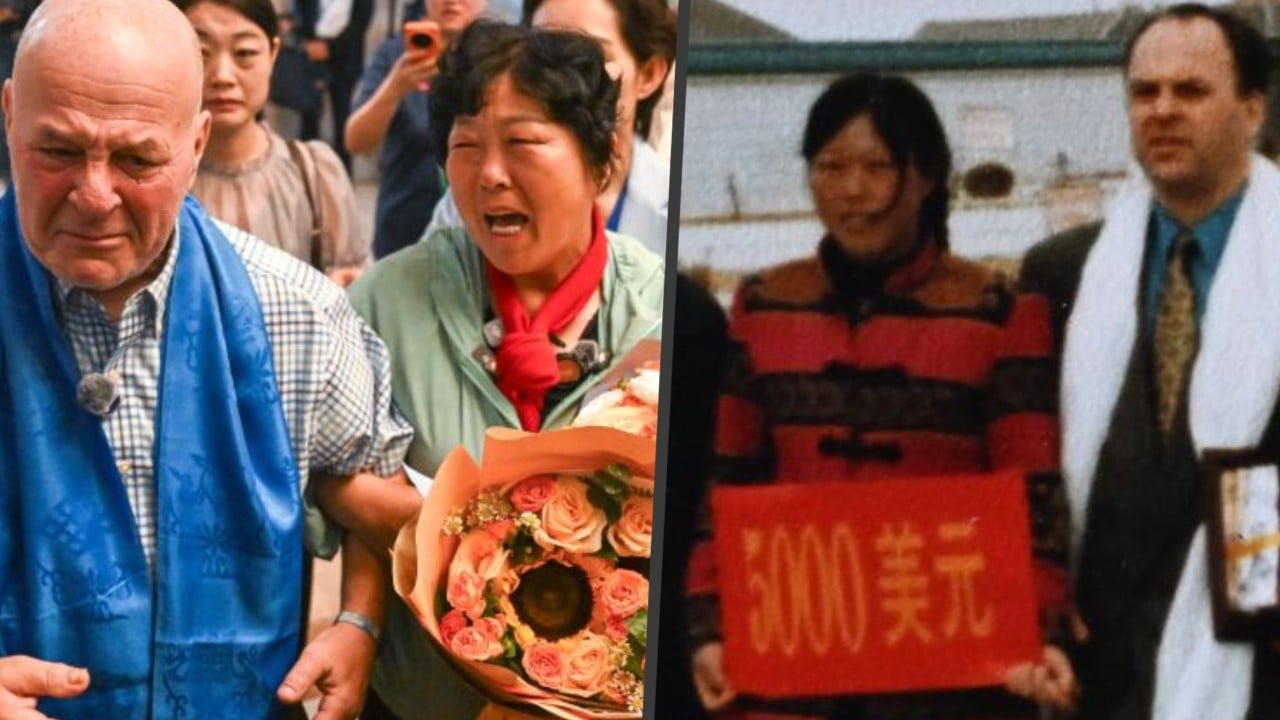
Twenty-six years is a long time to stay away. Imagine walking back into a landscape you once helped plant, only to find a thriving, dense woodland where barren earth used to sit. That is exactly what happened to an American educator who returned to China after more than two decades, discovering that a modest tree-planting donation had morphed into an expansive, breathing ecosystem. Stories like this usually get buried under headlines about geopolitical friction or economic metrics. But this one touches on something much more fundamental. It points directly to patience, long-term environmental restoration, and what happens when you throw a pebble into a pond and just walk away.
You might wonder how a single donation turns into a forest. It does not happen by accident. Environmental initiatives require massive institutional backing, local labor, and stubborn endurance. When international visitors plant trees during cultural exchanges, survival rates often plummet due to neglect, poor soil, or grazing livestock. This specific case worked differently. Local forestry bureaus, community volunteers, and persistent seasonal care transformed a simple gesture into a permanent green buffer.
Why Long-Term Ecological Projects Actually Succeed
Most modern environmental efforts suffer from short attention spans. Corporations love a quick photo opportunity. They fund a weekend planting event, snap some pictures for the annual report, and vanish. Real forestry does not work on quarterly earnings schedules.
Trees take decades to mature. They need protection during their vulnerable youth. They require water security and soil stabilization. When you look at successful reforestation models around the globe, from the Great Green Wall initiatives to small community woodlots, the secret sauce is always local ownership.
- Community Buy-In: If the people living next to the trees do not care about them, the project fails. Locals must see tangible benefits, whether through climate mitigation, soil retention, or wildlife return.
- Scientific Species Selection: Planting non-native species that drain the water table ruins everything. Successful projects use hardy, indigenous flora that can handle local drought cycles.
- Institutional Continuity: Governments and NGOs need to monitor tracts of land for decades, not months.
When the American teacher visited the site, the emotional weight came from seeing time made visible. You cannot fake twenty-six years of growth. Trunks thick enough to span with two hands replaced fragile saplings. Canopy cover choked out the harsh glare of the sun, creating a microclimate where underbrush and insects could finally return.
The Ripple Effect of Small Contributions
People often freeze up when facing massive global crises like deforestation or climate change. You feel powerless. What does a fifty-dollar donation or a single weekend of weeding actually achieve against millions of acres of lost canopy?
This story flips that fatalism on its head. Scale matters, yes, but aggregate impact starts with discrete actions. You do not need to fund an entire national park to make a dent. Supporting local land trusts, community gardens, or established tree-planting charities creates compounding returns over decades.
Think about your own neighborhood. Empty lots sit baking in the summer heat, crying out for shade trees. Urban heat islands cook our cities because we paved over every square inch of dirt. You can start small. Advocate for street trees with your local council. Plant native species in your yard instead of maintaining a thirsty grass lawn that requires endless chemical treatments.
What We Misunderstand About Reforestation
Environmental restoration is messy. It is not a neat little line of identical pine trees standing at attention. Real forests are chaotic. They feature deadfall, competing vines, invasive weeds that sneak in, and patches of stunted growth right next to towering giants.
When you hear about massive tree-planting campaigns, check the fine print. Are they planting monocultures that act as green deserts, or are they restoring diverse habitats? Diverse ecosystems bounce back faster from disease and climate shocks. The Chinese forestry initiatives that absorbed that American donation decades ago have increasingly shifted toward native biodiversity rather than quick-growth timber plantations. That shift makes all the difference between a temporary tree farm and a permanent ecological sanctuary.
You do not have to travel across the planet to make this kind of impact. Plant something today that you will never sit under the shade of. That is the real lesson here. The best environmental work requires you to let go of needing to see the final result immediately.
Go outside. Plant a native sapling, support a trusted land conservation group, or get your hands dirty in a local community garden. Stop waiting for the perfect moment or a massive government grant. Just put a root in the dirt and let time do the heavy lifting.