Professional football is a cruel meritocracy where weekly recognition often hides deeper organizational truths. When the league office hands out weekly accolades, analysts tend to treat them as mere bookkeeping exercises for the record books. Yet peeling back the veneer of these honors reveals a much starker narrative about how eras clash, shift, and ultimately pass the baton in high-stakes professional sports.
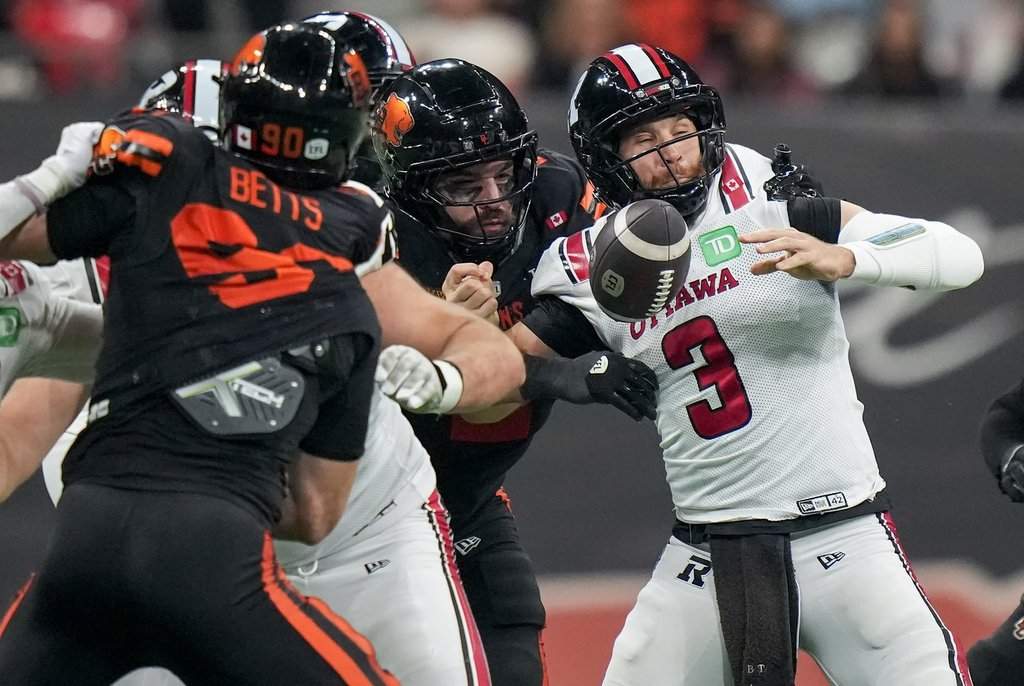
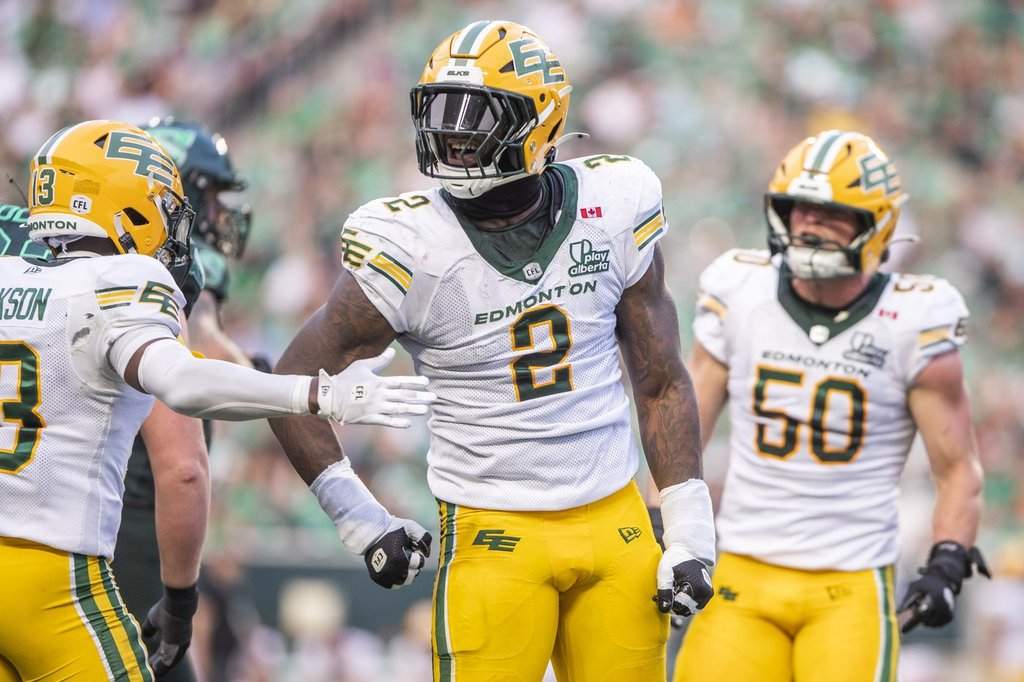
Consider the recent spotlight shining brightly on veterans like Zach Collaros alongside dynamic rising forces such as Davis Alexander and disruptive defensive anchors like Malik Carney. This trio encapsulates the exact friction points currently defining the gridiron landscape. On one side, you have institutional memory and championship poise tested by physical attrition. On the other, you find raw, explosive ascension reshaping offensive and defensive playbooks across the board.
To understand why these specific names surface at the pinnacle of weekly performance evaluations, one must examine the shifting philosophies of modern coaching staffs. The modern game demands absolute precision under duress. When a veteran signal-caller like Collaros orchestrates an offense, every movement serves a tactical purpose born from over a decade of survival in the pocket. His ability to diagnose complex defensive coverages pre-snap remains a masterclass in spatial awareness. Yet experience carries a heavy biological tax. Wear and tear accumulates on throwing shoulders and ribs, turning every late-season push into a calculated gamble between capability and durability.
Conversely, younger quarterbacks operating in high-tempo schemes approach the position through a completely different lens. Athletic dynamism and off-schedule creation have largely replaced static pocket management as the primary vectors of offensive success. When a player like Alexander puts together masterclass performances—shredding secondaries with high completion percentages and deep completions—it exposes the vulnerabilities of traditional zone coverages. Defenses can no longer rely solely on conventional pass rushes to contain modern backfields. They require multi-faceted athletes who can mirror sideline-to-sideline speed without sacrificing gap integrity.
This brings the discussion directly to the defensive side of the trenches, where game-wrecker talents like Malik Carney operate. Edge pressure is the great equalizer in professional football. Without a consistent pass rush, even the most meticulously drawn secondary schemes will eventually unravel under the weight of a competent quarterback. Carney’s inclusion among top weekly performers highlights a broader tactical reality. Defensive coordinators are increasingly abandoning conservative, bend-don't-break philosophies in favor of aggressive, scheme-diverse pressure packages designed to force hurried decisions. When an edge defender racks up multiple sacks and forces critical late-game turnovers, it dictates the entire rhythm of an opponent's play-calling sheet.
Yet weekly accolades also mask the precarious nature of roster construction in a salary-capped league. Front offices perpetually walk a tightrope between retaining veteran leadership and injecting cheap, explosive youth into their lineups. Overpaying for past performance is the fastest way to cap a franchise's championship window. At the same time, turning over the keys of an organization entirely to unproven assets invites volatility. The teams that consistently contend deep into November are those that successfully bridge this generational divide.
Examining the trajectory of seasoned veterans approaching the twilight of their careers offers a fascinating study in organizational psychology. When a player has hoisted multiple championship trophies, their relationship with the game changes fundamentally. The daily grind of rehabilitation, film study, and physical punishment demands an unyielding internal drive. Questions regarding future retirement or contract leverage inevitably shadow their every move during the stretch run of a grueling campaign. Media circles tend to focus entirely on the physical box score, but the psychological burden carried by veteran leaders often dictates whether a locker room holds together when adversity strikes.
At the other end of the spectrum, emerging stars face a different kind of pressure. Sustaining a high level of execution once opposing coordinators have an entire season of professional film to dissect tendencies is the ultimate test of professional maturity. Early success guarantees nothing in a league built on relentless adaptation. The transition from a pleasant surprise to a marked franchise cornerstone requires meticulous mechanical refinement and mental resilience. Opposing defenses spend entire offseasons mapping tendencies, studying throwing angles, and identifying pre-ship tells. How a rising player responds to that counter-punch usually determines the arc of their career.
Tactical evolution in professional sports rarely happens overnight; it occurs through a series of micro-adjustments prompted by standout individual performances. When exceptional playmakers dominate a given week, they are validating or invalidating the structural theories of the coaching staffs who employ them. The chess match between offensive innovation and defensive counter-measures continues to accelerate. Coordinators must constantly invent new ways to protect aging assets while unleashing youthful athleticism.
Ultimately, tracking these standout weekly performances provides a reliable barometer for the health and direction of the sport. The names at the top of the stat sheets change, but the underlying battle remains identical. It is an unrelenting search for efficiency, resilience, and tactical supremacy under the harshest possible competitive lights. The players who master these elements dictate the standard for everyone else in the locker room.