Paying nine times the standard rate for anything sounds like a clerical error or a bad joke. In the high-stakes world of ocean energy transport, it is neither. It is the cost of absolute desperation.
A South Korean shipowner named Sinokor Merchant Marine just provisionally booked a Very Large Crude Carrier (VLCC) to move roughly two million barrels of crude oil from the Persian Gulf to India at a staggering 897 Worldscale points. In plain terms, that is 897% of the standard benchmark freight rate. It is an eye-watering surge that marks the highest freight premium seen all year, shattering normal historic baselines where even a strong market usually hovers around 163 points. Discover more on a similar topic: this related article.
If you want to know what a sudden, violent imbalance between supply and demand looks like in real time, this is it.
The Reopening Chaos Nobody Prepared For
Markets do not just spike ninefold without a massive structural catalyst. This insane rate hike is the direct result of a classic bottleneck side effect triggered by the recent 60-day interim agreement and memorandum of understanding (MoU) signed between the US and Iran. Additional journalism by Financial Times explores comparable views on this issue.
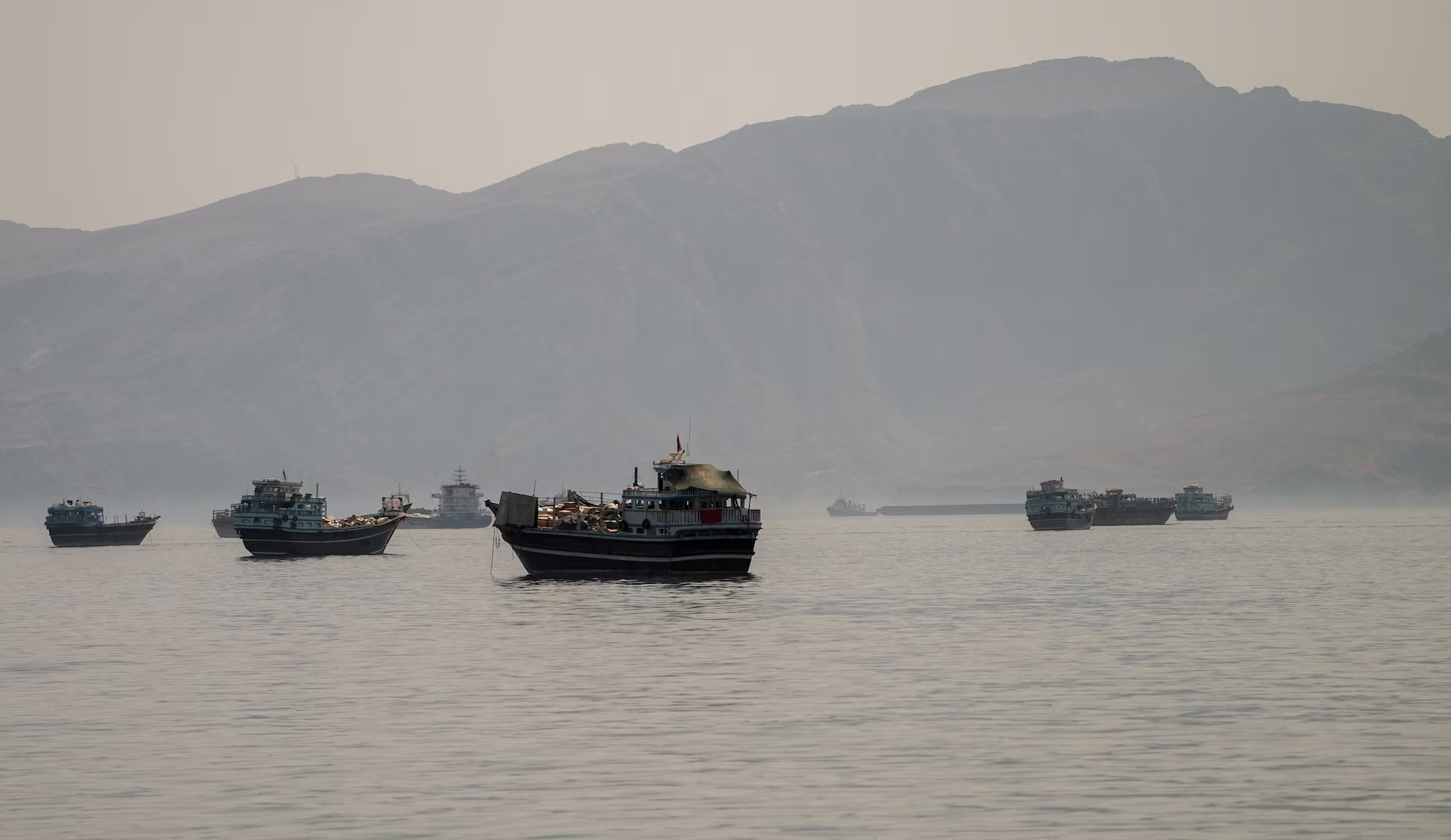
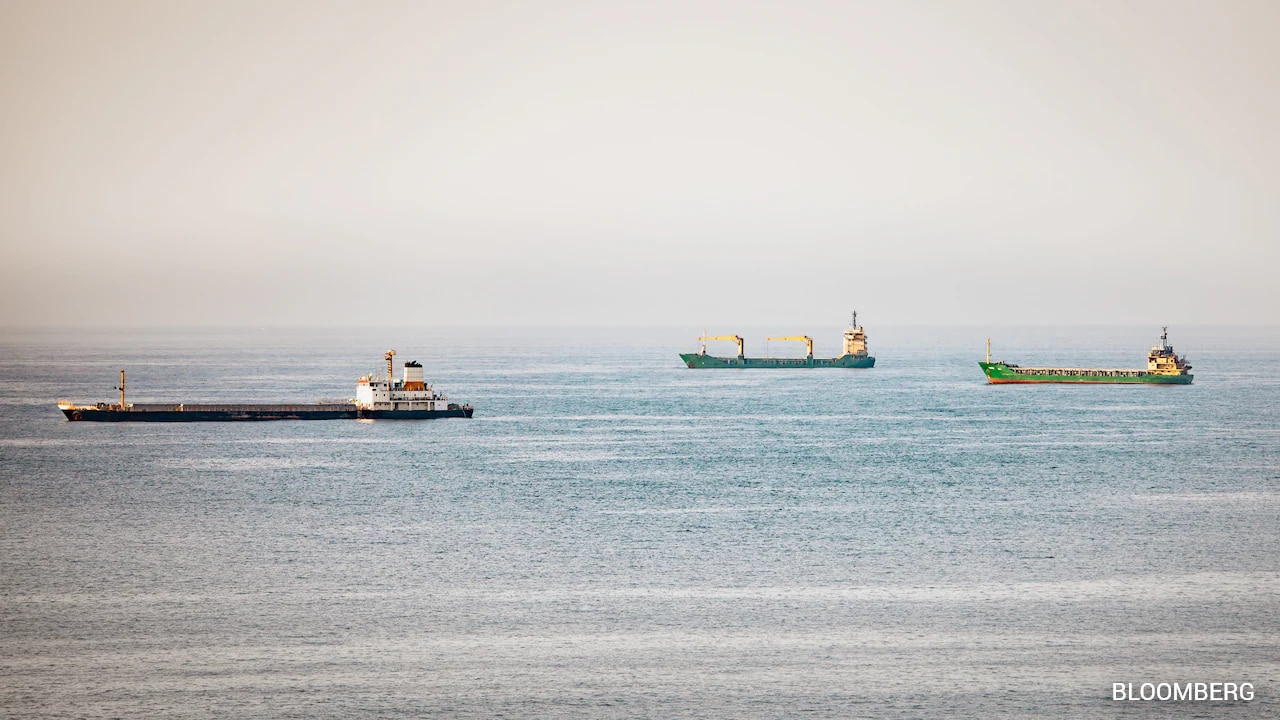
For three brutal months, the Strait of Hormuz was effectively locked down under a heavy naval blockade. During that period, Iran's seaborne crude exports collapsed by a jaw-dropping 93%, plunging from nearly 30 million barrels in April down to a meager two million barrels in May. Close to 500 ships—ranging from oil tankers to dry bulk carriers—were left idling outside the strait, essentially frozen in place.
When the diplomatic breakthrough happened, it did not smooth things out. It blew the gates wide open.
Suddenly, global oil buyers, including massive Indian refining giants like Reliance, scrambled to load millions of barrels of crude that had been trapped in storage terminals since February. Regional oil producers simultaneously rushed to ramp up exports to capture cash flow. Everyone wanted a ship at the exact same second.
But there was a massive problem. The ships were gone.
The Long Road Back for Displaced Fleets
During the three months that Hormuz was a no-go zone, commercial vessel owners did what any rational business would do. They moved their multi-million-dollar assets somewhere else. Fleets were systematically redeployed to safer, long-haul alternative international routes across the Atlantic, West Africa, and the US Gulf Coast.
You can reopen a shipping lane with a stroke of a pen, but you cannot teleport a 300-meter supertanker.
It takes weeks for an empty VLCC to sail back to the Persian Gulf from distant global ports. Because of that massive lag time, the immediate availability of empty vessels in the Gulf hit near-absolute zero right when demand experienced its biggest spike in recent memory. The basic math of the situation became brutal for buyers. Too much oil, almost zero ships, and a ticking clock.
While war risk insurance premiums actually softened over the last week—dropping from roughly 5% of a vessel's total value down to around 3%—the savings were instantly swallowed by the historic shortage of physical hulls.
Demystifying the Worldscale System
To truly appreciate how wild an 897 Worldscale booking is, it helps to look under the hood of how international oil shipping is actually priced.
The tanker industry does not use flat dollar amounts for spot charters. Instead, they rely on "Worldscale," a unified global index managed by shipbrokers that assigns a base rate of 100 points to specific standard routes each year. For instance, the baseline rate for a trip from the Persian Gulf to Singapore or China is calculated to cover standard operational costs, fuel, and basic port fees.
When market conditions fluctuate, charterers negotiate a percentage of that baseline, expressed as points.
- A normal market: Rates fluctuate between 50 to 80 points, meaning buyers pay slightly less than the nominal baseline.
- A hot market: Rates push up to 150 or 160 points, which historically signaled a highly profitable environment for shipowners.
- The current reality: Sinokor's 897 points means the charterer is paying nearly nine times the baseline cost for the Persian Gulf-to-Singapore equivalent route.
It is an extreme anomaly that will be written into shipping history textbooks. Yet, despite the terrifying price tag, Sinokor has been aggressively expanding its fleet and running right into the fire. While other companies hesitated during the war, the South Korean firm remained active in the Gulf, betting heavily that high risks would yield astronomical rewards. That bet just paid off spectacularly.
Daily earnings for VLCCs inside the Gulf operating through the newly opened strait have surged past a historic $470,000 a day. Even tankers hired just outside the immediate Gulf region are raking in an unprecedented $190,500 a day, up from $106,500 just a week prior.
The Spillover Effect on Global Energy Supply
If you think this is just a localized problem for a few corporate ship owners and refiners, think again. Shipping costs are a fundamental component of the landed price of crude oil. When freight rates multiply by nine, that premium gets baked directly into the downstream supply chain.
India is feeling the brunt of this immediately. The country relies heavily on Persian Gulf energy flows and was forced to deal with months of severely disrupted supplies. While the Indian Ministry of External Affairs confirmed that 11 India-bound vessels—including three crude tankers, four fertilizer ships, and two LPG carriers—have successfully cleared the strait since the diplomatic breakthrough, the economic relief is deeply compromised by these staggering transport premiums.
Global energy analysts suggest this extreme freight volatility will likely hold highly elevated baselines for at least the next two to three weeks. The supply crunch cannot naturally ease until those displaced long-haul vessels finish their current voyages and physically return to replenish the Middle Eastern spot market.
For energy traders and supply chain managers, sitting on your hands and waiting for things to "normalize" is a losing strategy. The immediate play here requires a heavy operational shift.
First, actively diversify near-term spot sourcing away from the Persian Gulf toward West African or US Gulf Coast grades for the next 21 days, even if the raw commodity premium looks slightly higher on paper. The freight savings alone will easily offset the difference. Second, if you absolutely must lift barrels from the Gulf before mid-July, bypass the chaotic spot market entirely and lock in short-term time charters or look for combined-cargo options to split the staggering VLCC overhead. The spot market right now is an absolute meat grinder, and stepping into it without a long-term contract is financial suicide.