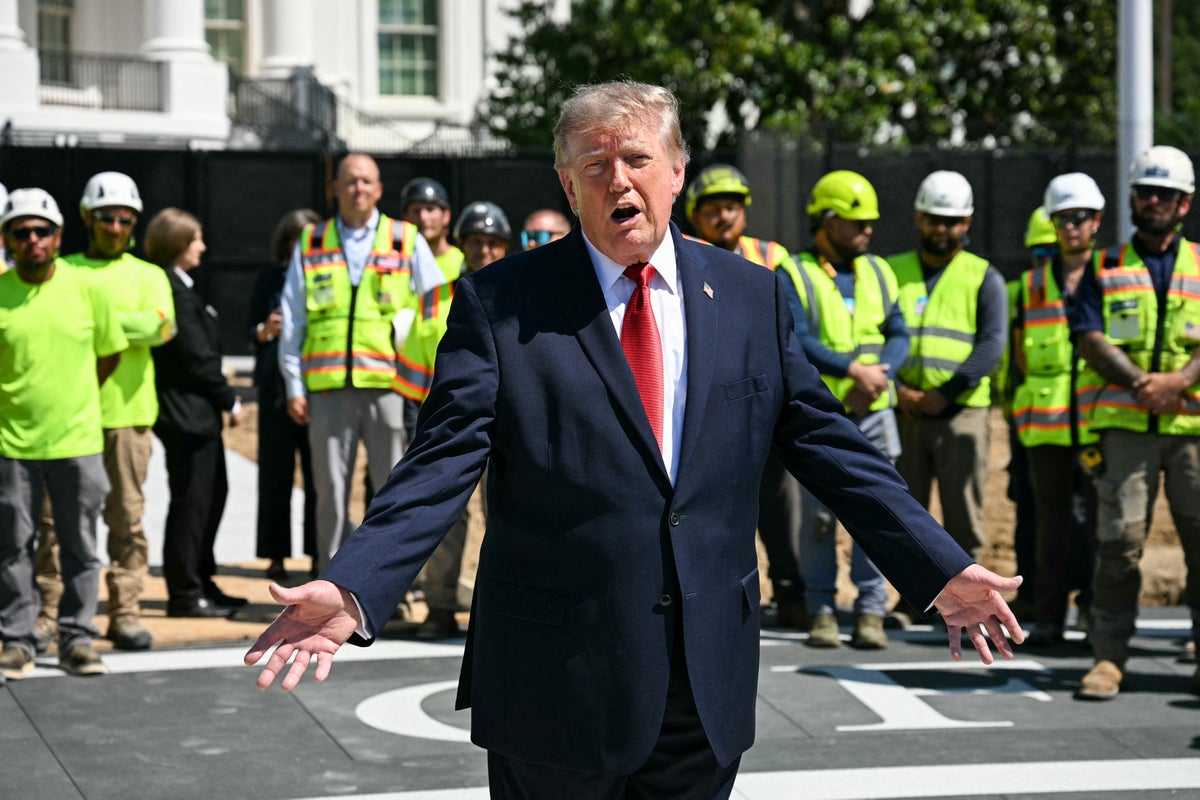
Media coverage of presidential real estate projects follows a predictable script. Cameras zoom in on a hardhat, pundits hyperventilate over aesthetic choices, and commentators decode every poured slab of concrete as a profound political metaphor. The recent fascination with infrastructure updates on the executive grounds follows this exact tired pattern. Critics cry vanity while supporters cheer visionary leadership, and both sides miss the structural reality entirely.
The lazy consensus treats these structural modifications as mere stylistic flourishes or expensive vanity projects. This view misses the point. Architectural modifications at the seat of executive power are rarely about personal taste. They are pragmatic responses to decades of neglected infrastructure masquerading as modern upgrades. If you enjoyed this post, you should look at: this related article.
The Cost of Deferred Maintenance
Let us look at the actual physical plant of the executive mansion. Beneath the manicured lawns and historic facades lies a decaying labyrinth of plumbing, electrical grids, and HVAC networks dating back to mid-century overhauls. When politicians pose with construction equipment, the commentary focuses on the visual optics rather than the crumbling bones of a federal landmark built to withstand centuries of shifting bureaucratic needs.
I have watched public entities waste millions on superficial cosmetic face-lifts while ignoring foundational rot, prioritizing short-term public relations wins over actual engineering integrity. The obsession with a hardhat photo op distracts from a glaring truth. The real crisis is not that leaders are meddling in design choices, but that the federal procurement process makes basic capital improvements agonizingly slow and absurdly expensive. For another perspective on this story, see the recent update from TIME.
Dismantling the Artistry Myth
Calling politicians or contractors working on these sites real artists misunderstands the nature of public construction. Art is about creative expression and personal vision. Federal contracting is about compliance, security clearances, and surviving endless environmental reviews.
Bureaucracy devours creativity long before the first shovel hits the dirt.
🔗 Read more: The Crown of Thorns and the Square of Silk
When a project manager or executive inspects a job site, they are not curating an art gallery. They are managing risk. Security protocols dictate every inch of material used, from ballistic ratings to blast-mitigation standards. Pretending that building a helipad or upgrading a security gate is akin to sculpting marble is an insult to actual craftspeople who navigate federal red tape just to pour code-compliant foundations.
The Real Question Worth Asking
People often ask whether executive upgrades signal a disconnect from everyday economic realities. That question misses the mark. The executive grounds require constant, heavy-duty infrastructural hardening just to remain operational in the twenty-first century. Ignoring these upgrades because they look flashy on camera is a shortcut to institutional decay.
Stop evaluating structural projects through the lens of political theater. Judge them by their engineering necessity, their adherence to budget caps, and their long-term durability. The next time a hardhat tour makes the front page, ignore the theater and look at the blueprints. That is where the actual story lives.