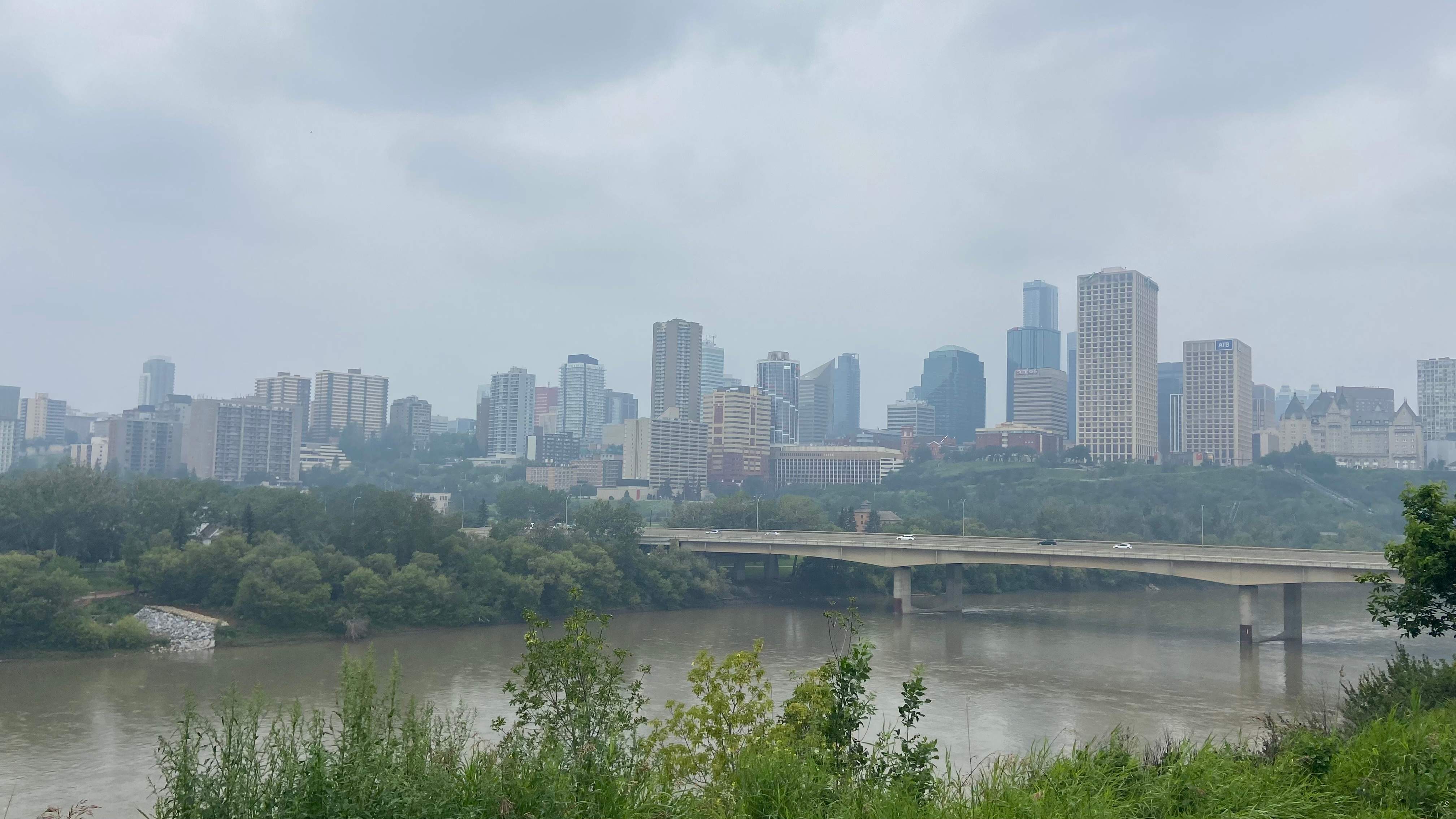
Edmonton woke up to an eerie, thick orange haze on July 20, 2026, as the Air Quality Health Index (AQHI) spiked to a maximum level of 10+. That isn't just an inconvenience or a ruinous backdrop for outdoor plans. It's a high-risk health event caused by massive blazes tearing through the Northwest Territories.
If you're stepping outside right now and smelling that campfire odor, you're inhaling microparticles that can penetrate deep into your bloodstream.Environment Canada has blanketed almost all of Alberta north of Red Deer in air quality advisories. Smoke from over 200 active wildfires in the N.W.T. has surged south, catching central Alberta in a vice grip that's forecasted to stick around.
Understanding where this haze comes from, why it's hitting Edmonton so hard, and how to keep your home safe isn't optional anymore. It's essential northern life.
Where the Smoke Is Coming From
The sheer volume of airborne pollution drifting over Alberta stems from a terrible wildfire season up north. Over 200 blazes are active across the Northwest Territories right now. They cover more than 777,000 hectares—an area vastly larger than the city of Edmonton itself.
Unstable weather patterns, combined with hot, dry winds, pulled a massive plume of smoke down from major fire complexes near Fort Simpson and Wrigley. The blaze near Fort Simpson alone spans over 55,000 hectares. As high-altitude winds push those emissions across provincial borders, Edmonton and surrounding communities like St. Albert and Fort McMurray bear the brunt of the settled surface particulate.
Because wind currents change rapidly, visibility and air cleanliness fluctuate hour to hour. You might see relatively clear skies in the morning, only to find the air thick with ash by mid-afternoon.
Understanding the Real Threat of PM2.5 Fine Particles
People often mistake wildfire smoke for simple wood ash. Honestly, it's far more dangerous than that. The core hazard comes from PM2.5—particulate matter measuring 2.5 microns or smaller. To put that in perspective, a single human hair is roughly 70 microns wide.
These tiny invisible particles bypass your nose hairs and natural body filters, traveling directly into your lungs and entering your vascular system.
Short-term exposure causes familiar, irritating reactions:
- Burning, watery eyes and runny nose
- Scratchy throat, persistent coughing, and hoarseness
- Tension headaches and sinus pressure
For vulnerable groups—seniors, young children, pregnant women, and anyone with asthma or cardiovascular issues—it's much harsher. High levels of PM2.5 trigger severe respiratory distress, acute asthma attacks, elevated blood pressure, and increased cardiac strain. Health experts note that extended exposure to high AQHI numbers causes pulmonary inflammation in even the healthiest adults.
How Edmonton Is Responding to the Hazard
With the AQHI reaching maximum risk levels, the City of Edmonton activated its extreme weather response. City services and public spaces, including recreation centers and public libraries, act as designated clean-air shelters for residents needing respite from smoke.
City transit and outreach services offer clean spaces and support to vulnerable populations, ensuring that unhoused residents have access to indoor air filtration.
Local authorities urge every resident to check on isolated neighbors, elderly family members, and friends who might lack air conditioning or proper indoor filtration setup.
How to Protect Your Indoor Air
Staying inside isn't enough if your home acts like a sieve. Smoke sneaks in through tiny window gaps, door frames, and exhaust fans. You need an aggressive defense strategy for your living space.
Upgrade Your HVAC Filter
If you have a central heating or ventilation system, switch the fan setting to "ON" rather than "AUTO" so air circulates constantly through your filter. Replace standard budget filters with a furnace filter rated MERV 13 or higher. These filter levels actually capture microscopic PM2.5 smoke particles rather than just catching dust and hair.
Deploy HEPA Purifiers in High-Use Rooms
Run dedicated portable HEPA air purifiers in the bedrooms and rooms where your family spends the most time. Ensure the unit matches the room's square footage. Avoid air ionizers that produce ozone, as ozone further irritates inflamed lungs.
Try the DIY Air Cleaner Method
If commercial air purifiers are sold out across local hardware stores, build a DIY Corsi-Rosenthal box. Strapping a standard 20x20-inch MERV 13 furnace filter to the intake side of a basic box fan using duct tape creates a high-volume filtration unit for a fraction of the cost.
Keep Windows and Intakes Sealed
Keep all exterior doors and windows tightly shut. Switch your vehicle and home AC systems to "recirculate" mode so they don't draw polluted outdoor air directly inside.
What to Do If You Must Work or Spend Time Outside
Sometimes staying inside simply isn't an option, especially if your job demands outdoor activity.
Standard cloth masks and blue surgical masks don't filter out fine smoke particles. They're designed to trap large droplets, not microscopic combustion pollution.
If you must go outside, wear a well-fitted, NIOSH-certified respirator like an N95, KN95, or KF94 mask. Ensure the mask seals tightly over your nose and chin with no air leaks around the edges.
Reschedule heavy outdoor exercise. Running, biking, or pushing your heart rate outdoors forces your lungs to intake massive amounts of polluted air, multiplying the toxic load on your respiratory tissue. Save hard workouts for indoors or wait for the air quality index to drop below 4.
Steps to Take Immediately
Take these concrete actions right now to guard your home and health against the smoke wave:
- Check local ratings continuously: Monitor the official Air Quality Health Index updates through Environment Canada or local weather apps. Conditions change sharply as winds shift.
- Seal your perimeter: Close all home windows, exterior vents, and fireplace dampers.
- Set HVAC to recirculate: Adjust your home air system and car AC to recirculate indoor air.
- Prepare an emergency space: Turn one bedroom into a "clean room" by running a portable HEPA filter continuously with doors and windows shut tight.
- Protect vulnerable family members: Ensure anyone in your household with asthma or chronic illness has quick access to rescue inhalers and necessary medications.