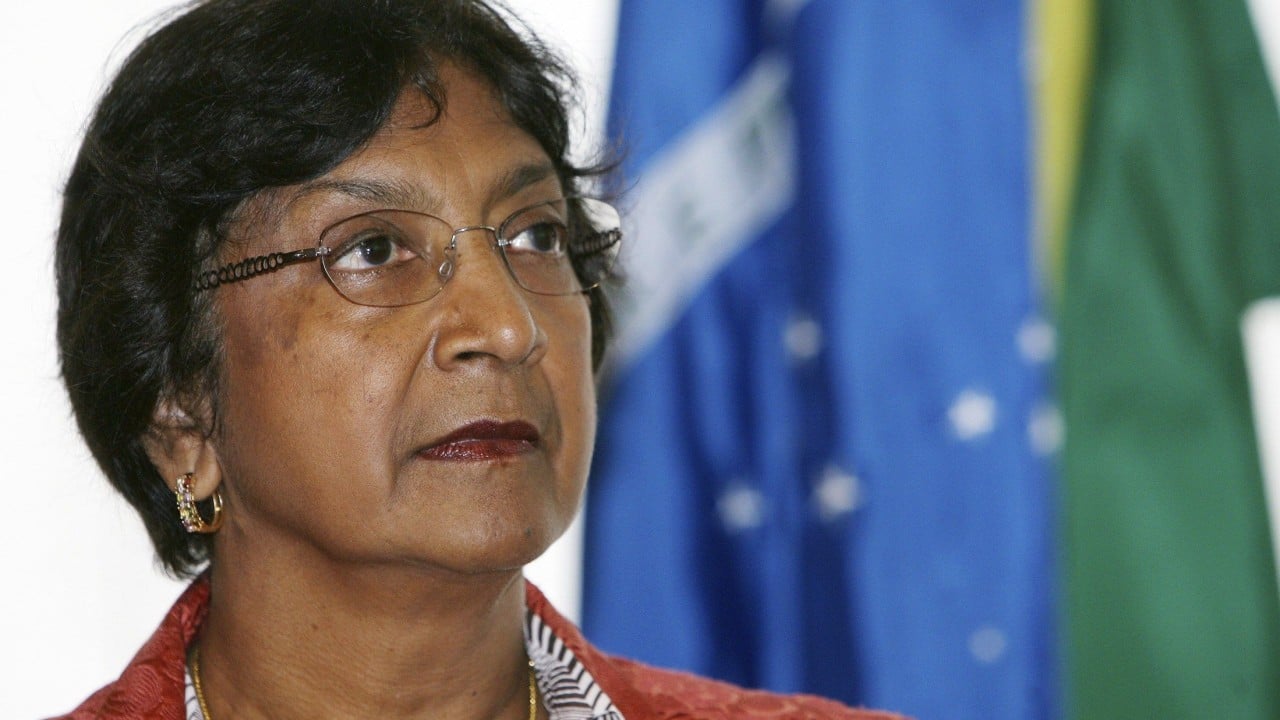
Every October, the media apparatus grinds into gear to worship a gold medal minted in Sweden. Commentators clutch their pearls, analyze the geopolitical chess moves behind a selection, and pretend that a committee in Oslo has somehow quantified human virtue.
Navi Pillay wins, or some other worthy human rights veteran gets the nod, and the chorus rises. We are told this is a watershed moment for accountability. We are told the international community has sent a powerful signal.
Absolute nonsense.
The Nobel Peace Prize has devolved into a comforting pacifier for a global order that prefers symbolism over systemic change. It is a institutional safety valve. When the pressures of actual structural injustice mount, the establishment reaches for a diploma, hands someone a million dollars, and invites the world to applaud. The underlying engines of conflict keep humming uninterrupted.
Let us look past the press releases. Alfred Nobel’s original will spoke of prizes for those who had done the most to advance fraternity among nations, the abolition or reduction of standing armies, and the holding and promotion of peace congresses. By those metrics, the modern committee fails its own mandate on a regular basis. Henry Kissinger won this award. Let that sink in. A man architects the secret bombing of Cambodia, gets handed the world's most prestigious peace prize, and the institution expects us to treat its moral authority with a straight face.
The lazy consensus in mainstream coverage treats each announcement as an objective validation of moral superiority. If someone fights apartheid, advocates for refugees, or documents war crimes, honoring them with a gold medallion is supposed to feel like victory.
It is not victory. It is an alibi.
Governments use the prize to launder their reputations. Civil society groups use it to secure funding for another fiscal year of polite panel discussions. Meanwhile, the structural drivers of violence—arms trade deals, predatory debt structures, resource extraction monopolies—remain entirely untouched. You can give all the medals you want to courageous defenders of justice, but if you do not alter the material conditions that generate the injustice in the first place, you are just running a very expensive PR firm for the global status quo.
Consider the mechanics of how these selections happen. The Norwegian Nobel Committee is appointed entirely by the Storting, the Norwegian parliament. This is not some ethereal council of independent global sages floating above earthly politics. It is a political committee reflecting the foreign policy interests of a small, wealthy Western European nation deeply embedded in NATO and Western economic architecture. When they pick a winner, they are filtering global heroism through a specific geopolitical lens.
If your definition of peace aligns with the comfort of Western foreign policy establishments, you get nominated. If your resistance disrupts those supply chains or challenges those security umbrellas, you remain invisible.
The real work of peace is unglamorous, messy, and entirely unrewarded by gold medals. It happens in the trenches of local labor disputes, in the quiet refusal of soldiers to obey unlawful orders, in the hacking of financial flows that fund militias, and in the agonizingly slow construction of community-level reconciliation that never makes the evening news.
None of those people get invited to Oslo. They do not get a royal banquet or a glowing profile in the New York Times. They get targeted, arrested, or ignored, because real disruption threatens power structures, whereas a Peace Prize merely decorates them.
Stop looking to Norway for moral validation. Measure the health of our world not by who holds a diploma, but by who holds the weapons contracts.