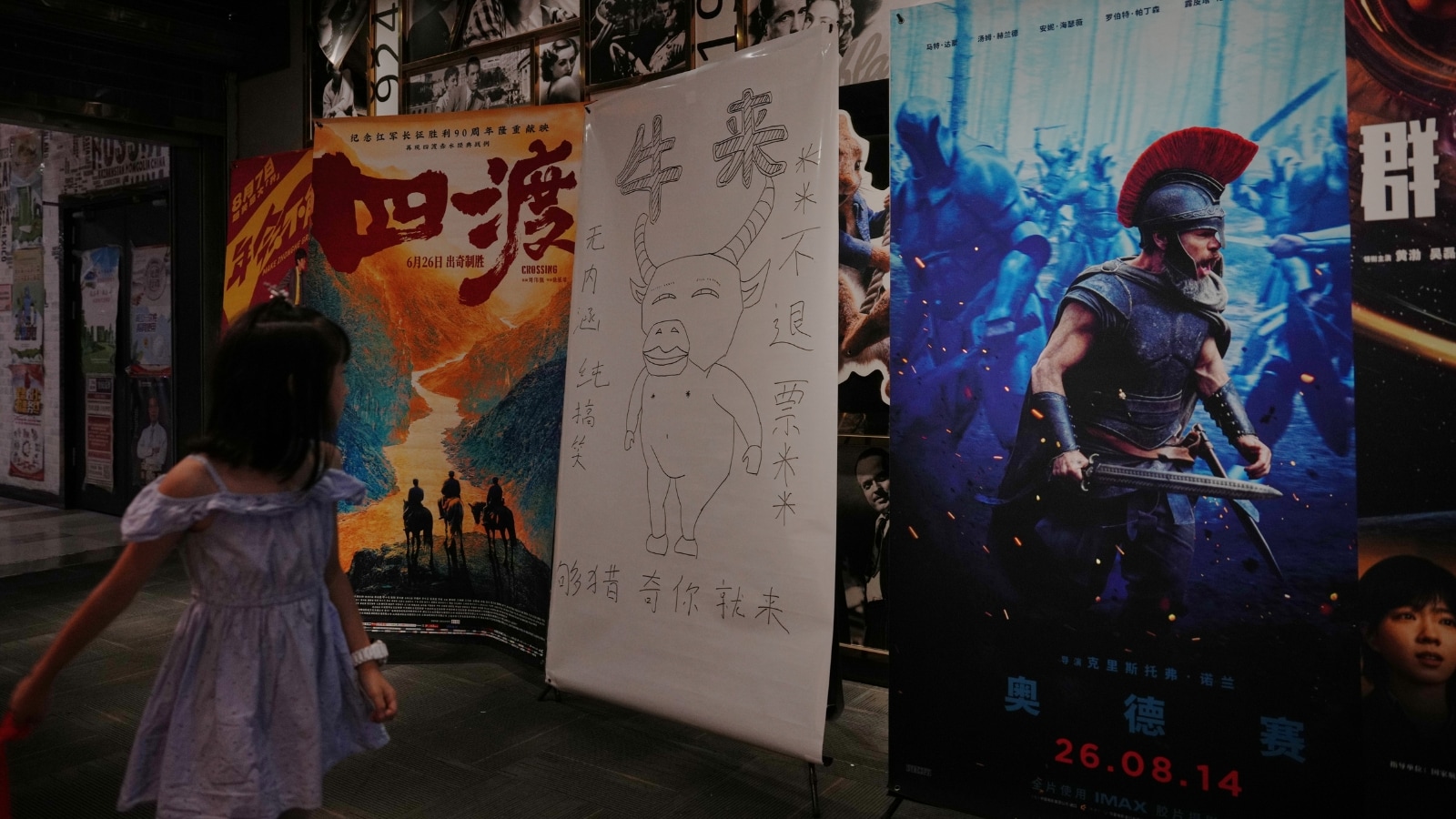
You buy a ticket to a terrible movie just to trick your best friend. Then, millions of other people do the exact same thing. That is how a micro-budget animated feature called Niu Lai turned a wave of brutal online mockery into a 17.1 million yuan (about $2.5 million) box office windfall.
When the film hit theaters on August 5, it looked like a total disaster. Ticket sales tracked by platforms like Maoyan limped along at roughly 10,000 yuan during its first ten days. On some slow days, box office earnings dropped to a miserable 200 yuan.
Then the internet got ahold of it.
Instead of dying a quiet death, the movie exploded into a viral meme. Viewers started treating a ticket stub like a punchline. They didn't go to enjoy a cinematic masterpiece. They went to experience the bizarre, rough-around-the-edges reality of a film crafted over five years by just two people: director Xin Yumeng and his mother, Sun Lifan.
The Anatomy of a Viral Troll Hit
Most box office failures vanish without a trace. Niu Lai survived because the internet loves the absurd.
Early audiences took to platforms like Douban and Xiaohongshu to share their bewilderment. They described the 3D character models as ugly and eerie. They pointed out rigid movements, visual glitches, and bizarre storytelling choices. But instead of steering people away, these scathing reviews functioned as an inverted invitation.
The marketing completely shifted to match the chaos. Theaters displayed pen-drawn posters of a simple calf accompanied by blunt handwritten warnings: "Come on over if you're into the bizarre" and "No refunds."
People bought into the joke willingly. College students in Shanghai began buying tickets explicitly to prank their peers. One trickster confessed to successfully dragging two friends into a screening just to watch their reactions. One friend laughed through the confusion while the other simply fell asleep.
Decoding the Internet Humor Behind Niu Lai
To understand why this movie surged past expectations, you have to look at the cultural context. The film follows a young calf dreaming about growing up with family support. But the title itself holds a double meaning. In Chinese, "Niu Lai" translates to "the bull is coming," which serves as a common slang wish for a booming stock market.
Internet users turned this into dark comedy. Reviewers jokingly labeled the film "a must-watch for Chinese stock market investors". Others praised it with heavy sarcasm, rating it nine out of ten stars to lure unsuspecting victims into the theater.
Audience members even coordinated their ticket purchases online, booking specific seats to spell out Chinese characters like "Niu" across theater seating charts. It turned a lonely, empty screening room into a collective multiplayer joke.
Moving Past Polished Perfection
You might wonder why modern audiences spend hard-earned money on something universally panned. The answer points to a growing fatigue with sterile, corporate entertainment.
We live in an era of hyper-polished blockbusters where every frame is algorithmically tested and scrubbed of flaws. Against that backdrop, a deeply flawed, hand-made project feels genuinely human. A vocational schoolteacher in Guangzhou noted that while major studio films look exquisite, their stories often feel hollow. Niu Lai offered something honest, weird, and uncalculated. It felt like an amateur bedtime story brought to life without a corporate filter.
Of course, the novelty wears off quickly if you expect a traditional night out. But for a generation raised on rapid-fire meme culture, the experience was never about the plot. It was about participating in a massive, real-time shared inside joke.
Next time you see a universally mocked piece of media bombing in its opening week, don't write it off immediately. The internet might just decide to turn it into a blockbuster overnight.