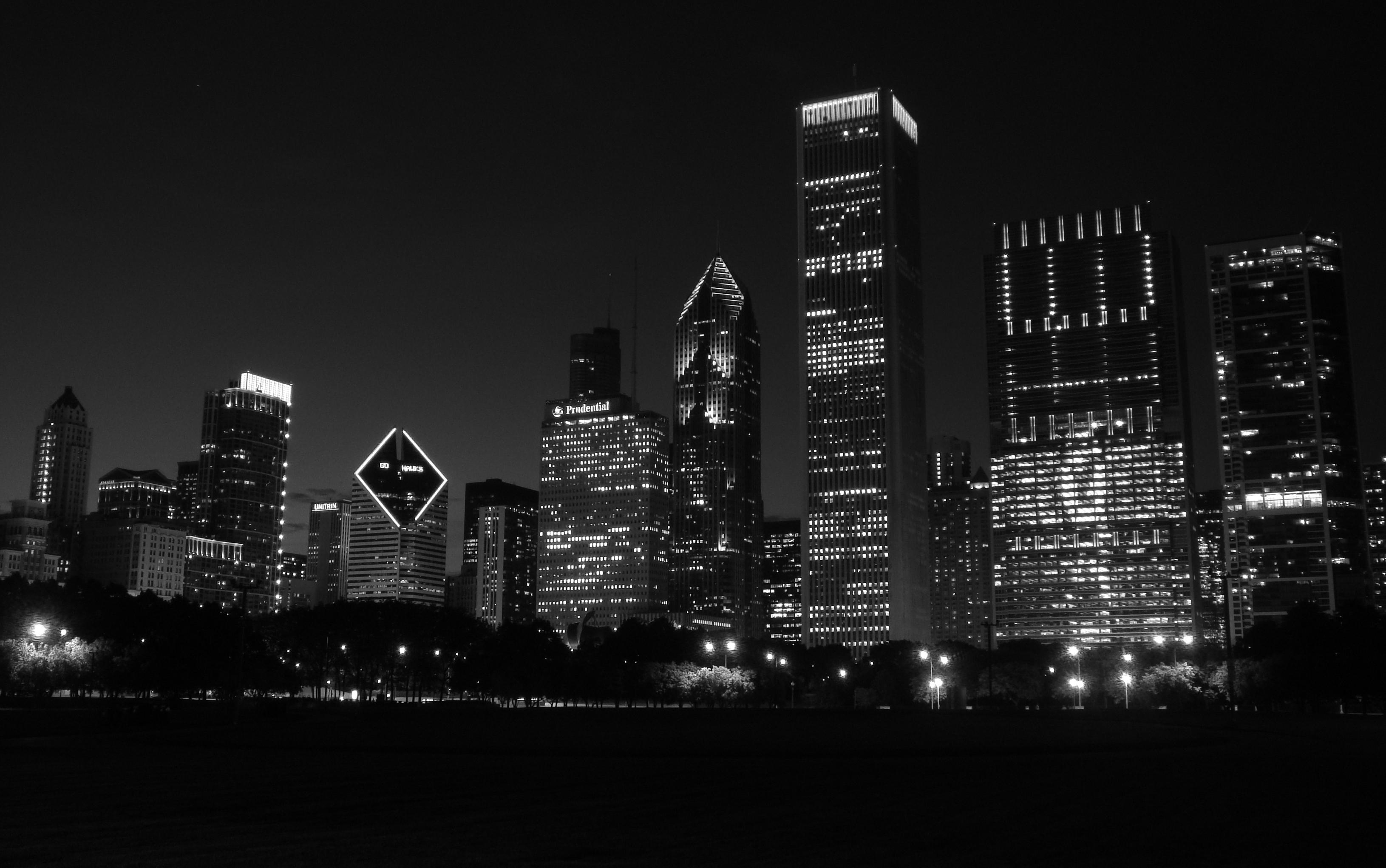
The air in Dubai usually tastes of two things: expensive sea salt and the hum of a million air conditioners fighting the desert sun. But on a night when the world’s eyes are glued to a flicker of light over the Persian Gulf, the air changes. It thickens. It becomes the heavy, static-charged atmosphere of a room where everyone is waiting for a glass to shatter.
Reports began as whispers. They trickled through Telegram channels and WhatsApp groups before the sirens even had a chance to wail. A fire at Al Arab. An "incident" at the world’s busiest international airport. A volley of steel and fire crossing borders in a region that has spent decades balancing on a knife's edge.
Consider Sarah. She is a hypothetical traveler, but she represents the thousands of souls currently sitting on the cold linoleum of Terminal 3. She isn't thinking about geopolitical pivots or the tactical range of a drone. She is thinking about the half-eaten sandwich in her hand and the fact that her flight to London has vanished from the Departures board. Around her, the international gloss of Dubai—the gold-leafed duty-free shops and the shimmering waterfalls—suddenly feels like a fragile stage set.
The reality of a "confirmed incident" at an airport like DXB is not just a logistical headache. It is a cardiac arrest in the circulatory system of the globe. When Dubai stops, the world stutters.
The Spark in the Dark
The news cycles will tell you about the Al Arab fire with the clinical detachment of a police scanner. They will mention the Iranian strikes and the chaotic rumors surrounding the health of Supreme Leader Ali Khamenei. These are the "what." But the "why" and the "how it feels" are buried under the rubble of the headlines.
Imagine the confusion on the ground. One moment, the Burj Khalifa is a beacon of human ambition; the next, the horizon is punctuated by smoke. Fire at Al Arab isn't just a building burning. In the iconography of the Middle East, it is a symbol of stability being licked by flames. Whether it was an accident or an omen, the psychological weight is the same. People stopped taking selfies. They started looking at the exits.
Then came the confirmation of the Iranian attacks. This wasn't a drill. For years, the specter of a direct confrontation between regional powers has been the "gray rhino" in the room—the massive threat that everyone sees coming but no one wants to move for. When the reports of Khamenei’s death began to swirl alongside the sound of explosions, the vacuum of information was filled by a primal, collective anxiety.
The Invisible Stakes of a Hub
Why does a fire in a Dubai suburb or a delay at an airport gate matter to someone sitting in a coffee shop in New York or a boardroom in Tokyo? Because we have built a world that relies on the "Dubai Pulse."
Dubai is the hinge. It connects the labor of South Asia to the capital of Europe. It bridges the manufacturing of China with the consumers of Africa. When the airport confirms an incident amid a regional military flare-up, the ripple effect is instantaneous. Oil prices twitch. Insurance premiums for cargo ships in the Strait of Hormuz skyrocket. Families across three continents realize their loved ones are stuck in a pressurized tube in a combat zone.
The human cost is measured in adrenaline and missed phone calls. It’s the pilot who has to decide, with five minutes of fuel remaining, whether to trust the local tower or divert to an airstrip in a different country that might be pulled into the conflict by morning. It’s the business traveler realizing that the "safe" city they’ve visited a dozen times is, at the end of the day, a desert miracle surrounded by ancient grievances.
The Ghost of Uncertainty
The most dangerous element of this unfolding story isn't the fire or the missiles. It is the silence. Or rather, the noise that sounds like silence.
When rumors of a leader's death circulate during a military strike, the world enters a state of "strategic ambiguity." Nobody knows who is holding the leash. In the terminal, Sarah watches the news on her phone. One headline says the situation is under control. Another shows a grainy video of a sky lit up by anti-aircraft fire.
Which one does she believe?
The "standard" news report gives you the timeline. It tells you the strikes happened at X hour and the airport resumed operations at Y hour. It misses the way a child’s grip tightens on their parent’s hand when the airport lights flicker. It misses the frantic scrolling of a businessman trying to find a way out, any way out, as he realizes that his "unbreakable" travel plans were always subject to the whims of men he will never meet.
The truth is that we live in a thin-crust civilization. We have built gleaming towers of glass and steel on top of geopolitical fault lines that haven't shifted in centuries. We assume the planes will always fly. We assume the lights will always stay on.
Then, a night like this happens.
The fire at Al Arab eventually dies down to embers. The planes at Dubai International eventually begin to taxi again, their engines whining in the humid night air. The reports about Khamenei will be verified or debunked by the cold light of the following morning.
But the feeling remains.
It is the feeling of realizing that the world is much smaller, and much more interconnected, than we like to admit. You can build the tallest building, the biggest mall, and the busiest airport, but you cannot build a wall high enough to keep out the consequences of a neighbor's instability.
As the sun begins to creep over the Hajar Mountains, the travelers in the terminal look at each other with the weary eyes of people who have shared a foxhole. They are no longer just passengers; they are witnesses. They watch the first flight take off, a silver needle sewing the sky back together, wondering how many more times the thread will hold before it finally snaps.
The skyline is still there. The lights are back on. But the desert remembers the heat of the fire, and the people remember the weight of the silence.
Would you like me to analyze the long-term impact of these regional tensions on international flight corridors and global logistics?