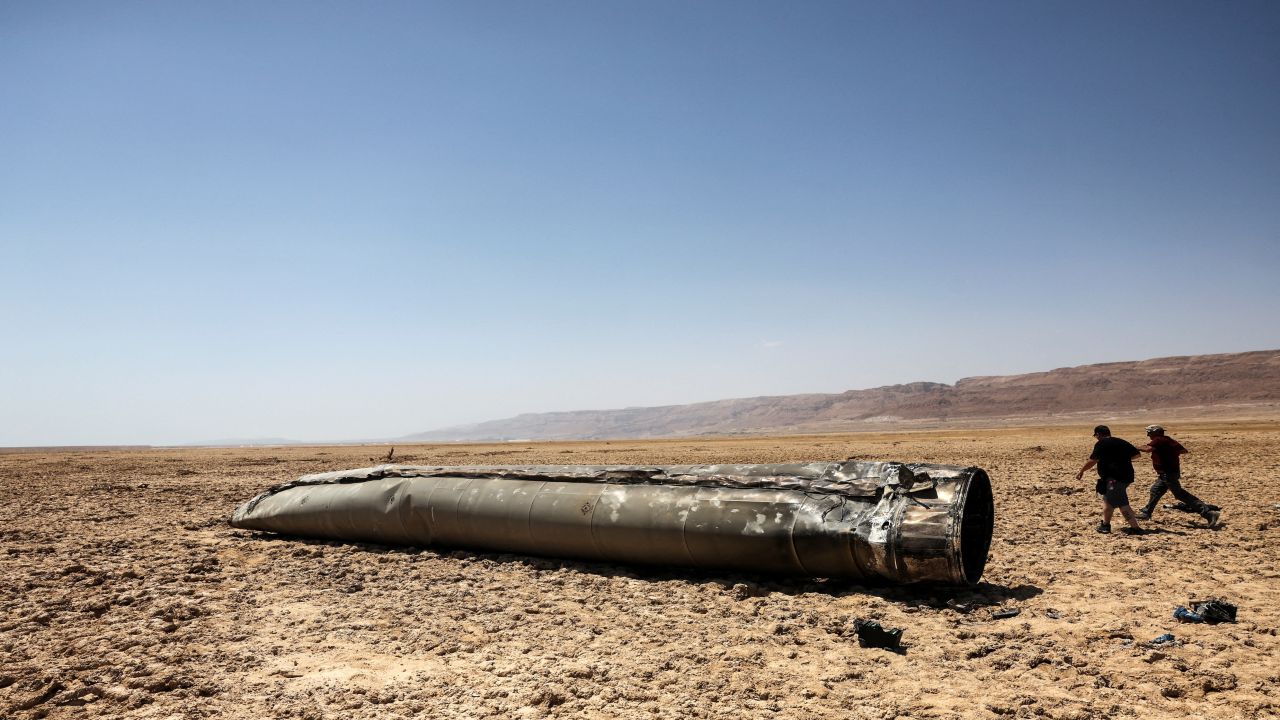
The air in the mountains of Khost doesn’t just carry the scent of pine and woodsmoke. It carries the weight of a border that exists on maps but disappears in the dust. For decades, the Durand Line has been a scar across the landscape, a colonial ghost that haunts every shepherd and soldier who walks its jagged edges. But on a Tuesday that began like any other, the ghost took a physical, jagged form. It fell from the clouds in a streak of fire and twisted metal.
When the thunder of an engine is replaced by the scream of a failing turbine, the silence that follows is terrifying.
The reports filtered out of the rugged eastern provinces of Afghanistan with a frantic, jagged energy. The Taliban’s Ministry of Defense didn’t just issue a press release; they made a claim that sent a shudder through the diplomatic corridors of Islamabad and Kabul. They claimed they had done the unthinkable. They claimed they had reached up and plucked a Pakistani fighter jet from the sky.
The Metal and the Mud
To understand the gravity of a downed jet, you have to look past the geopolitical chess pieces. Think of a village where the primary sounds are the bleating of goats and the distant thud of a mortar. Suddenly, the sky splits open.
The Taliban officials were specific. They didn't just claim a victory; they claimed a trophy. According to their narrative, a Pakistani aircraft—some reports hinted at a drone, others insisted on a manned fighter—had breached the invisible wall of their sovereignty. It wasn't just a violation of airspace. It was an intrusion into a fragile, bleeding peace.
Then came the detail that changed everything: the pilot.
A captured pilot is more than a prisoner. He is a living, breathing symbol of a neighbor’s vulnerability. In the cold calculus of border skirmishes, a piece of wreckage is a grievance, but a human being in a flight suit is a hostage to fortune. The Taliban claimed they had him. They claimed he was alive.
A Border Made of Friction
Pakistan and Afghanistan are two siblings locked in a dark room, constantly reaching for the same oxygen. Islamabad looks at the border and sees a sieve through which militants and instability pour into their heartland. Kabul looks at the same line and sees a cage, a remnant of British cartography that ignores the tribal bloodlines of the Pashtun people.
For months, the friction had been building. Pakistan, reeling from a surge in domestic terrorism, pointed a finger across the mountains. They spoke of the Tehrik-i-Taliban Pakistan (TTP), claiming the group used Afghan soil as a launchpad for carnage. The Taliban denied it, their voices rising in a mix of indignation and defiance.
When the rhetoric failed, the steel moved.
Air strikes became the blunt instrument of Pakistan’s frustration. In March, the world watched as Pakistani jets crossed the line to strike targets they identified as militant hideouts. To the families on the ground, those weren't "surgical strikes." They were fire from the heavens that claimed the lives of women and children.
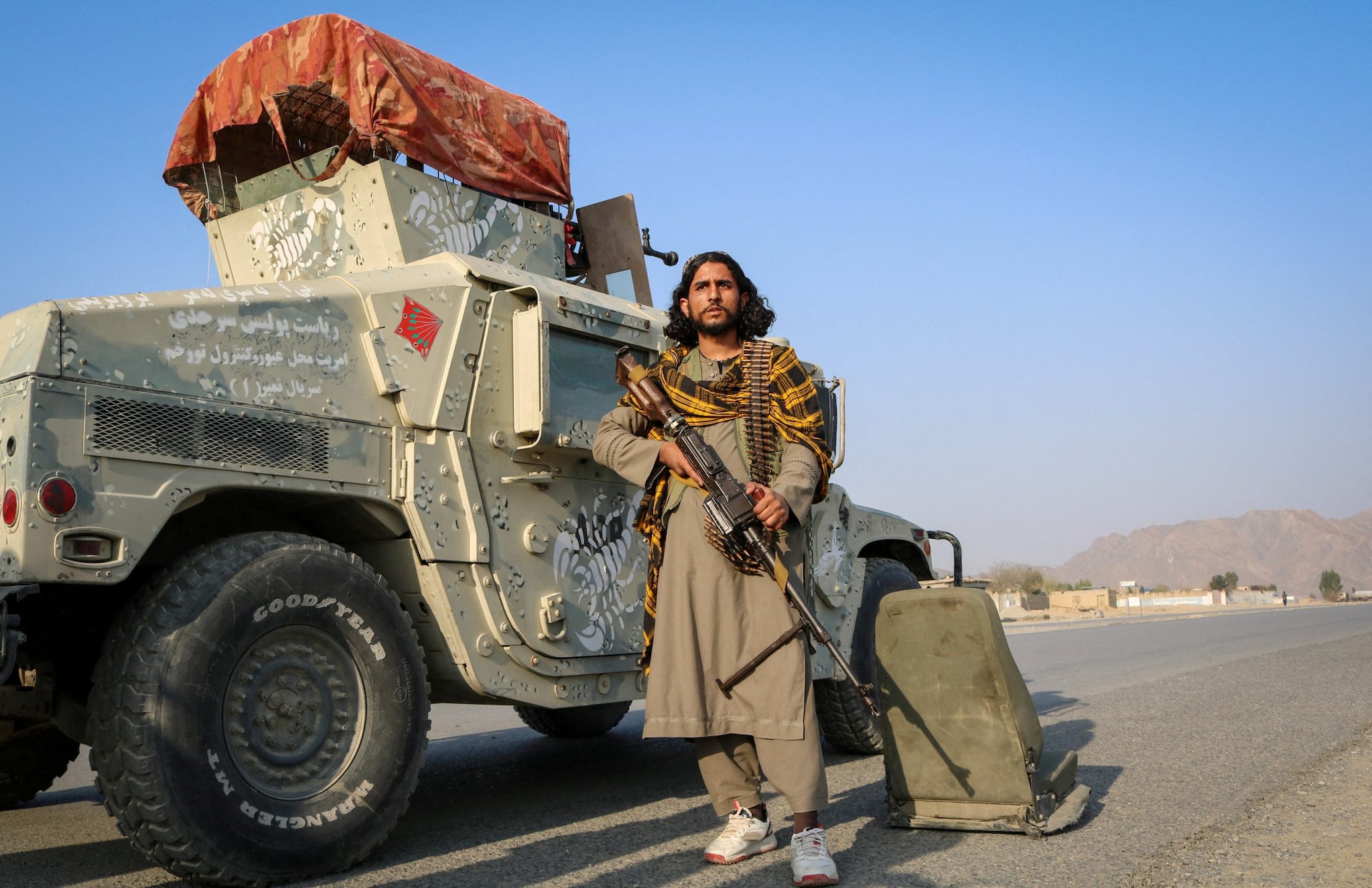
Imagine the tension in a Taliban commander's chest as he watches his sky being patrolled by the very people who once helped his movement rise. The irony is a bitter pill. Now, the roles have shifted. The insurgents are the governors, and the old ally is the primary threat.
The Mechanics of a Claim
Information in this region moves like a mountain stream—swift, murky, and prone to changing direction. The Afghan claim of a downed jet was met with a wall of silence from the Pakistani military. In the world of high-stakes conflict, silence is a weapon. It can mean "we are investigating," or it can mean "this never happened."
But the Taliban were insistent. They pointed to the smoking ruins in the dirt of Khost. They spoke of anti-aircraft batteries that had finally found their mark.
Consider the technical reality. Taking down a modern jet with the weaponry typically held by a provincial militia is a feat of extraordinary luck or surprising sophistication. It suggests a hardening of the border. It suggests that the "Great Game" has entered a new, more kinetic phase where the stakes are no longer just influence, but survival.
If the jet was indeed downed, it marks a Rubicon crossed. It is the moment a cold war turns hot. It is the moment the "brotherly" relationship between the two nations is stripped of its masks, revealing the raw nerves underneath.
The Human Cost of High Altitude
While generals in Rawalpindi and Kabul stare at maps and satellite feeds, the people in the border villages are staring at the holes in their roofs. The "invisible stakes" are the lives of those who have nowhere else to go.
When a jet falls, it doesn't fall in a vacuum. It falls on a culture that has been at war for forty years. To a farmer in Khost, the nationality of the jet matters less than the fact that his children can't sleep through the night. The sound of a jet engine is the sound of an impending funeral.
The capture of a pilot brings a different kind of dread. It brings the threat of escalation. If a pilot is held, the pressure on the home country to "do something" becomes unbearable. Rescue missions, retaliatory strikes, and the mobilization of heavy artillery follow the capture of a single man. One life becomes the catalyst for a thousand deaths.
We have seen this cycle before. We have seen how a single spark in the mountains can set the plains on fire. The history of this region is written in the blood of people who were caught in the middle of arguments they didn't start.
The Fog of Khost
The truth is currently a casualty of geography. The mountains are high, the communication lines are thin, and both sides have every reason to lie.
The Taliban need a victory. They need to show their people—and their rivals—that they can defend their sovereignty against a nuclear-armed neighbor. A captured pilot is the ultimate proof of potency. It justifies their rule. It turns them from a ragtag government into a regional power that can bite back.
Pakistan, conversely, cannot afford to admit a loss of this magnitude. To lose a multimillion-dollar asset and a trained officer to a group they once considered a strategic asset would be a humiliation of the highest order. It would embolden the militants they are trying to suppress.
So, we wait.
We wait for the photographs. We wait for the grainy video of a man in a jumpsuit being led through a dirt courtyard. Or, we wait for the claim to vanish into the thin mountain air, dismissed as propaganda in a war where the loudest voice often wins.
But the debris is there. Somewhere in the shadow of the Hindu Kush, something made of titanium and glass lies shattered in the mud. Whether it was a jet, a drone, or a fabrication, it represents a break in the fabric of the region that won't easily be mended.
The mountains don't care about sovereignty. They don't care about the Durand Line or the mandates of the UN. They only care about the gravity that brings everything down eventually. As the sun sets over Khost, the orange light hits the peaks, casting long, dark shadows over a border that has become a graveyard for intentions.
The pilot, if he exists, is sitting in a room somewhere, listening to the wind howl through the cracks in the wall. He is the most important man in two countries, and he has never been more alone. The sky that was once his playground has become his cage, and the earth he looked down upon has risen up to claim him.
The jet is down. The silence is louder than the explosion. And the world is left wondering if this is the end of a skirmish, or the beginning of a storm that will swallow the border whole.
The ghosts of the Durand Line are no longer just whispering. They are screaming.