The speakers were still humming. A low, synthetic thrum of bass notes lingered in the damp Georgia air, vibrating against the metal frames of parked sedans and the soles of abandoned sneakers. Only minutes before, those speakers had been pumping out a rhythm that commanded bodies to move, that commanded youth to feel invincible.
Music does that. It convinces you that time is elastic, that the night will stretch on forever, that safety is a natural state of being.
Then came the cracks.
At first, ears untrained to violence mistook them for something else. Car backfire. Fireworks left over from an earlier celebration. A string of heavy firecrackers popping too close to the ear. The human brain protects itself by seeking the most benign explanation first. It refuses to accept the alternative until the scent of cordite hits the nostrils, thick and metallic, cutting right through the sweet smell of barbecue smoke and spilled soda.
Then the screaming started. Not a single, unified roar, but a fractured, frantic sound—dozens of individual voices realizing simultaneously that the world had broken.
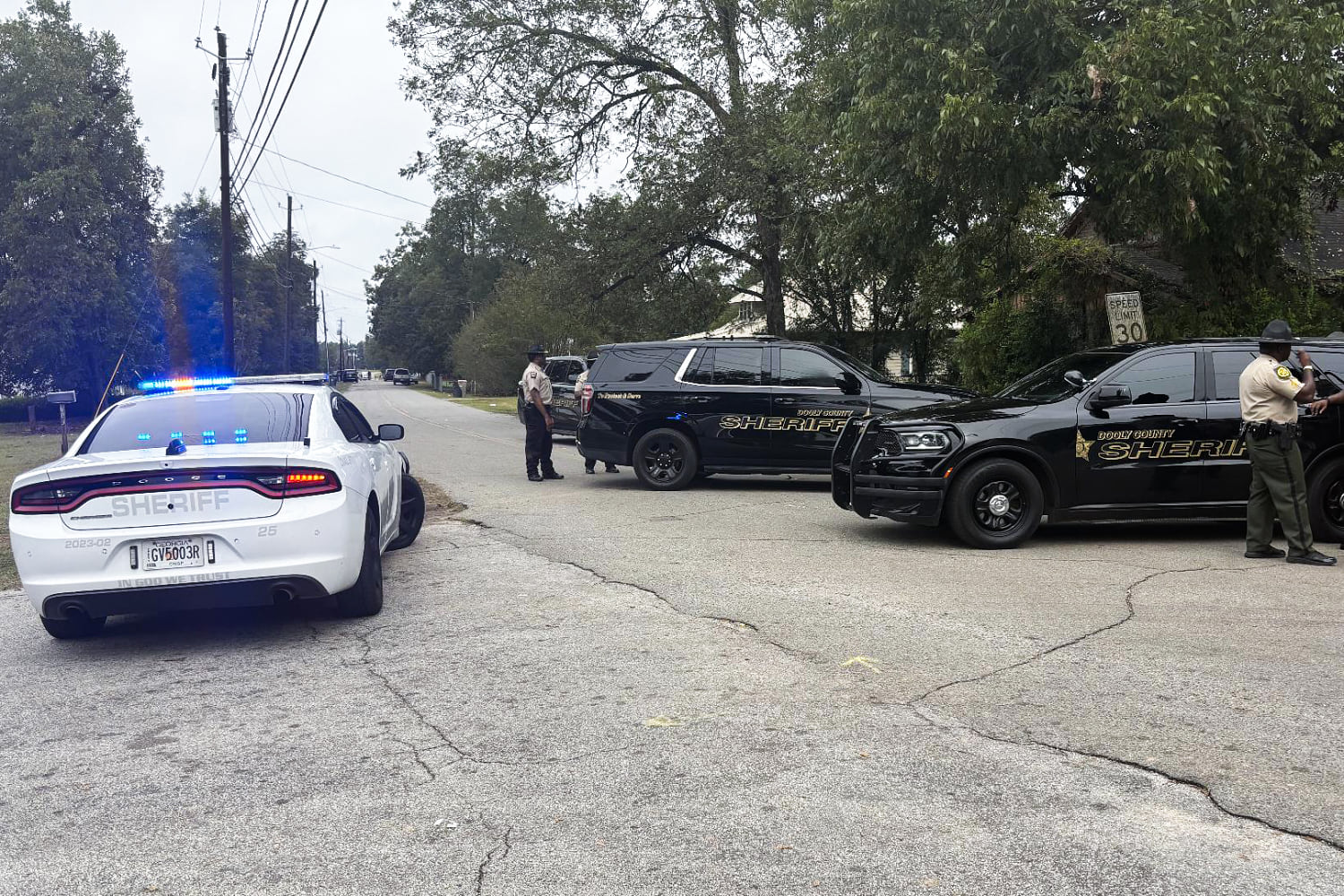
By the time the sirens began their long, wailing climb through the rural darkness, the block party was gone. In its place was a landscape of shattered plastic cups, blinking cell phone screens illuminating pools of crimson asphalt, and thirty-seven human beings carrying injuries ranging from minor shrapnel cuts to wounds that would require surgeons to work through the dawn. Two others were beyond the reach of any scalpel.
We talk about mass shootings in statistics. We tally them up like inventory in a warehouse, sorting them by state, by weapon type, by body count. But a statistic is a sterile thing. A statistic allows us to compartmentalize the horror, to file it away under current events, and to scroll past it while drinking our morning coffee.
To understand what happened in Georgia, you have to strip away the numbers and look at the geometry of a Saturday night among friends.
Imagine a cul-de-sac or a wide suburban street strung with cheap fairy lights. (I use the word imagine because unless you were standing under those lights, dodging bodies as they hit the pavement, empathy requires an act of the imagination.) People had gathered because the weather was warm, the work week was finished, and the neighborhood felt like home. Neighbors brought folding chairs. Kids chased each other around the edges of the parking area, high on sugar and late-night freedom. Young adults leaned against car hoods, laughing too loudly, entirely unconcerned with the fragility of their own heartbeats.
A block party is an institution of belonging. It is a declaration that we live near one another, and therefore we look out for one another.
That social contract was shredded in a matter of seconds.
What happens to a community when the very space meant for connection becomes a killing ground? The physical wounds heal, or they leave thick, purple keloid scars that ache every time the weather turns damp. Bones knit back together with the help of titanium rods and physical therapy sessions where grown men weep from the frustration of a stiff knee.
The invisible wounds are far more stubborn.
Consider the ordinary sounds of daily life after an event like this. A car door slamming in a quiet driveway. A heavy textbook dropping on a hardwood floor. A metal chair scraping across a kitchen tile. To someone who spent a Saturday night diving underneath a Buick to escape a barrage of bullets, those everyday noises are no longer benign. They are triggers. They are sudden floods of adrenaline that make the heart hammer against the ribs, convincing the nervous system that the gunfire has started all over again.
This is the hidden cost of gun violence in America. It is not just the two who died, devastating as their absence is to the mothers, brothers, and friends who loved them. It is not just the thirty-seven wounded, enduring months of operations and physical rehabilitation.
It is the poisoning of public space.
When gathering together becomes an act of quiet bravery, something essential about the culture changes. People start looking for the exit the moment they walk into a crowded room. They eye the stranger standing near the door with a measuring gaze, calculating angles of cover, wondering if the person's right hand is hovering too close to a waistband. We build invisible walls inside our heads even as our physical communities try to tear them down.
The investigation into the Georgia shooting followed a familiar, exhausting script. Detectives arrived with flashlights, sweeping the dark grass for spent casings. Yellow police tape fluttered in the breeze, turning a place of celebration into a crime scene. Neighbors were interviewed, their shock raw and unfiltered on the evening news. Calls for unity were issued. Promises were made about increased patrols and community safety initiatives.
Yet the underlying vulnerability remains unaddressed.
We are living through an era where disputes that once ended in bruised egos and black eyes are routinely settled with high-capacity firearms. The barrier between anger and lethality has never been thinner. A perceived slight, a shouted insult across a crowded yard, or a momentary flash of drunken temper now carries the potential for catastrophic carnage.
We have armed our worst impulses while leaving our social fabric completely defenseless.
The music didn't just stop that night in Georgia. It was murdered. And long after the police tape has come down, long after the street has been washed clean of blood, and long after the media vans have packed up and moved on to the next tragedy, the people who were there will still be standing in the dark, waiting for the next sound to shatter the silence.