The coffee was still warm on the wooden table when the world decided to break.
Earthquakes do not announce themselves with polite knocks. They arrive with a violence that defies comprehension, a low, guttural roar born from the crushing friction of tectonic plates miles beneath the ocean floor. On that day, a magnitude 7.7 earthquake tore through the waters off the coast of Indonesia, a brutal reminder of the fragile crust we walk upon. Learn more on a connected topic: this related article.
Silence followed the shaking. Then came the panic.
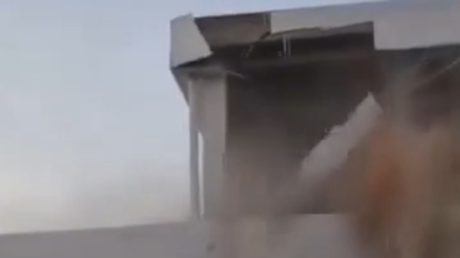
Consider what happens in a community when the ground turns to liquid. In the span of a few terrifying seconds, sturdy homes became piles of splintered timber and shattered concrete. Power lines snapped like dry twigs, plunging neighborhoods into absolute darkness. Communication towers crumbled. For hours, the outside world knew only that something catastrophic had occurred, while survivors stumbled through the grey dust, calling out names that were met with silence. Additional analysis by NPR delves into comparable perspectives on this issue.
When the dust finally settled, the human toll began to emerge in grim numbers. At least thirty-eight souls perished in the chaos. Dozens more suffered injuries that will permanently alter the trajectory of their days. Entire families displaced, searching for fragments of their lives among the ruins.
Numbers on a screen are easy to scroll past. We read thirty-eight dead, and our brains categorize it as a statistic, a distant tragedy happening to distant people in a volatile corner of the globe. But numbers do not bleed. Statistics do not dream of tomorrow.
Imagine waking up to the sound of your walls buckling inward. Imagine the absolute terror of holding your child while the ceiling collapses. That is the reality behind the seismic readings. That is what a 7.7 magnitude rupture actually means in human terms.
Indonesia sits squarely upon the Pacific Ring of Fire, an horseshoe-shaped basin notorious for intense seismic activity and volcanic eruptions. It is a geographic truth written in fire and stone. The people who live there know this danger intimately. They build their homes, plant their crops, and raise their children against a backdrop of perpetual uncertainty. They share an unspoken contract with the earth: beauty in exchange for peril.
Yet, understanding the science does not soften the blow when the ground gives way.
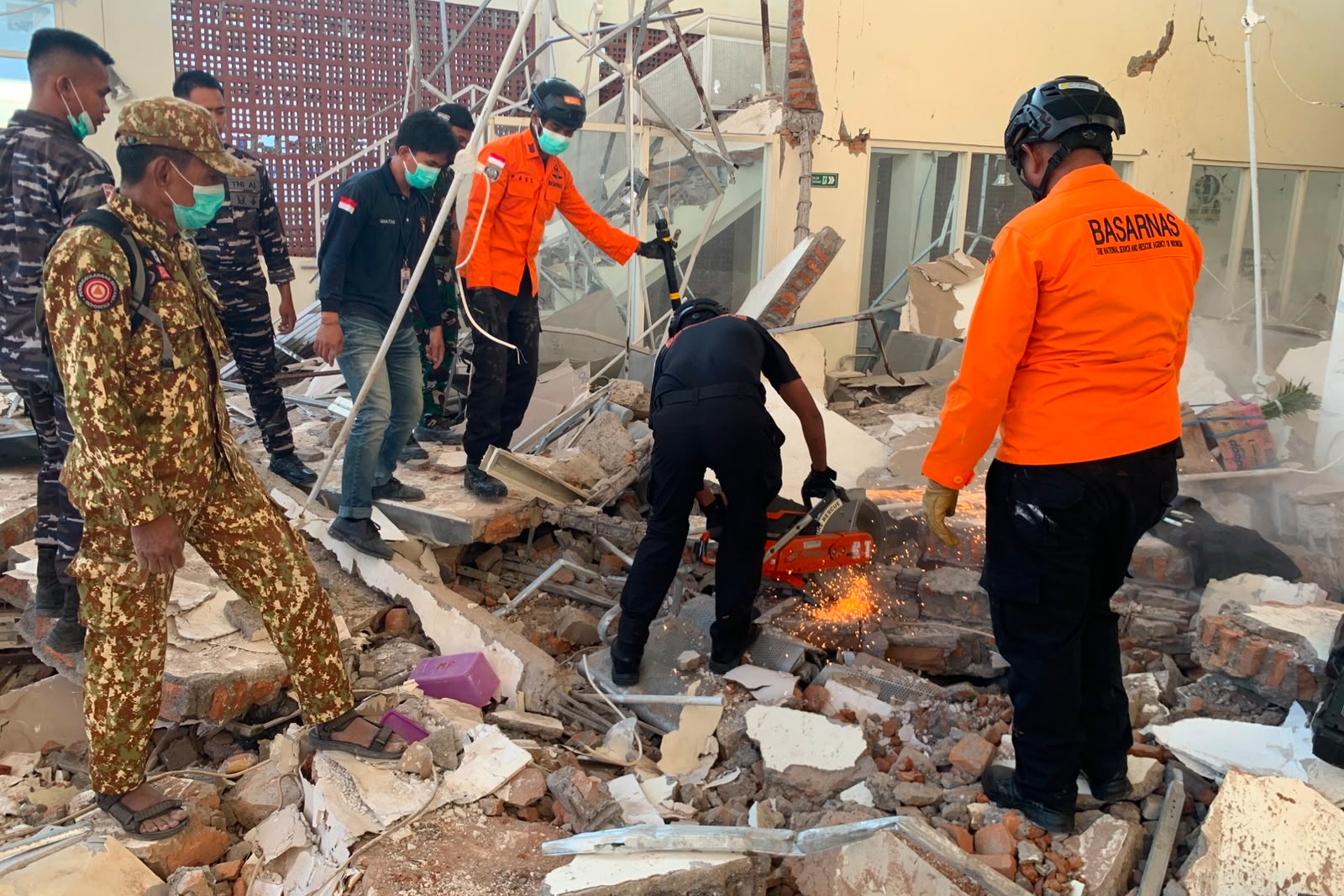
Emergency responders and local authorities rushed into the disaster zones, navigating blocked roads and downed bridges. Every second counted. Every minute of delay meant the difference between a life saved and a life lost under the rubble. Rescue workers dug with their bare hands where heavy machinery could not reach, driven by the desperate hope of finding a heartbeat beneath the concrete.
This is the hidden cost of living on a restless planet. We marvel at the majestic coastlines and the lush volcanic soil, forgetting the immense pressures shifting silently beneath our feet. When those pressures finally release, the consequences are swift, indiscriminate, and devastating.
As the recovery efforts grind forward, the immediate shock will slowly fade from global headlines. The trucks will leave. The cameras will turn toward the next breaking story. But for the families who lost mothers, fathers, sons, and daughters in the wreckage, the nightmare is only beginning. They must rebuild from the ashes, piecing together a normal life from a landscape that changed forever in a matter of seconds.
The earth remains silent now, resting in its violent stillness. But somewhere deep beneath the ocean waves, the plates are shifting once again.