Noelle Somers stood behind the bar at Hennessy’s and stared at the basement inventory logs. It was June, weeks past the green-dyed chaos of St. Patrick’s Day, a holiday that usually serves as the absolute ceiling for keg depletion in downtown Boston. Yet the numbers on her clipboard made no sense.
The bar had tripled its St. Patrick's Day sales in forty-eight hours.
Outside, Faneuil Hall sounded different. The usual American sports bar cadence—the rhythmic, predictable shout-and-sigh of a baseball crowd—had been entirely replaced by a dense, choral wall of sound. Thousands of throat-raw voices were locked in perfect unison, singing about a country three thousand miles away.
Scotland had come to town.
To understand what happened to Boston during the opening week of the 2026 World Cup, you have to understand the specific weight of a twenty-eight-year drought. A human being can grow up, graduate college, buy a house, and find their first gray hairs in the span of time it took for the Scottish national football team to return to the world's biggest tournament. The last time they stood on this stage, in 1998, smartphones didn't exist.
When qualification was finally secured, a collective dam broke. An army of thousands didn't just book flights; they emptied savings accounts, negotiated precarious leaves of absence, and crossed the Atlantic with a burning, desperate need to make up for lost time. They arrived in New England carrying bagpipes, kilts, and an infectious, unapologetic determination to have a good time.
Boston, historically defined by its own insular, fiercely guarded sports culture, didn't know what hit it.
Consider the local geography. This is a city that prides itself on being tough, slightly cynical, and notoriously difficult to impress. We don't usually join hands with strangers. If you break into loud, theatrical song on the MBTA green line, people move to the next car.
But the Tartan Army possesses a strange, disarming alchemy. They don't invade a city with malice; they charm it into submission.
Within days, the local landscape dissolved into beautiful absurdity. In Mattapan, Scottish supporters stood alongside Haitian fans, swapping tournament predictions over street food. On the steps of City Hall Plaza, grown men in heavy wool kilts queued up to ride the public outdoor slide, cheering each other on like school children. Even the local authorities seemed under a spell. Massachusetts Governor Maura Healey signed a symbolic decree temporarily legalizing haggis in the Commonwealth, a playful nod to the guests who were rapidly drinking the state dry.
The cultural collision peaked inside the brick walls of Fenway Park.
A massive contingent of Scottish fans bought tickets to watch the Red Sox, filling the historic grandstands with an unfamiliar blue hue. When the eighth inning arrived, the stadium speakers cracked to life with the opening chords of Neil Diamond’s "Sweet Caroline."
A collective shiver ran through the traveling Scots. To them, that specific melody belongs entirely to the English national team—their oldest, fiercest football rival. It is a song usually met with boos and raised middle fingers in Glasgow.
Cameron McPhee, a supporter who had saved for two years to make the trip from Aberdeen, looked around the ballpark. He saw families, local Bostonians with their baseball mitts, and the expectant eyes of a city that had welcomed his people with open arms. He swallowed his pride.
"One night only," he muttered to his friend.
The Scots sang along. They sang it loudly, swaying with the locals, offering a temporary truce to a song they hated, simply because they loved the city they were standing in.
The emotional climax didn't happen in a bar, though. It happened in the suffocating heat of Boston Stadium during Scotland's opening match against Haiti.
For ninety minutes, the tension was thick enough to choke on. The fear of failure—the terrifying thought that twenty-eight years of waiting would culminate in a quiet, whimpering exit—hung over the pitch. Then, the ball hit the back of the net. Scotland, 1-0.
In the stands, Jodie McCallum forgot to breathe. The rush of blood to her ears was so violent she genuinely thought she might pass out. It wasn't just a goal. It was the validation of decades of heartbreak, of missing out on tournaments, of watching the rest of the world celebrate while sitting in the dark.
When the final whistle blew, sealing the victory, the stadium didn't just cheer. It wept.
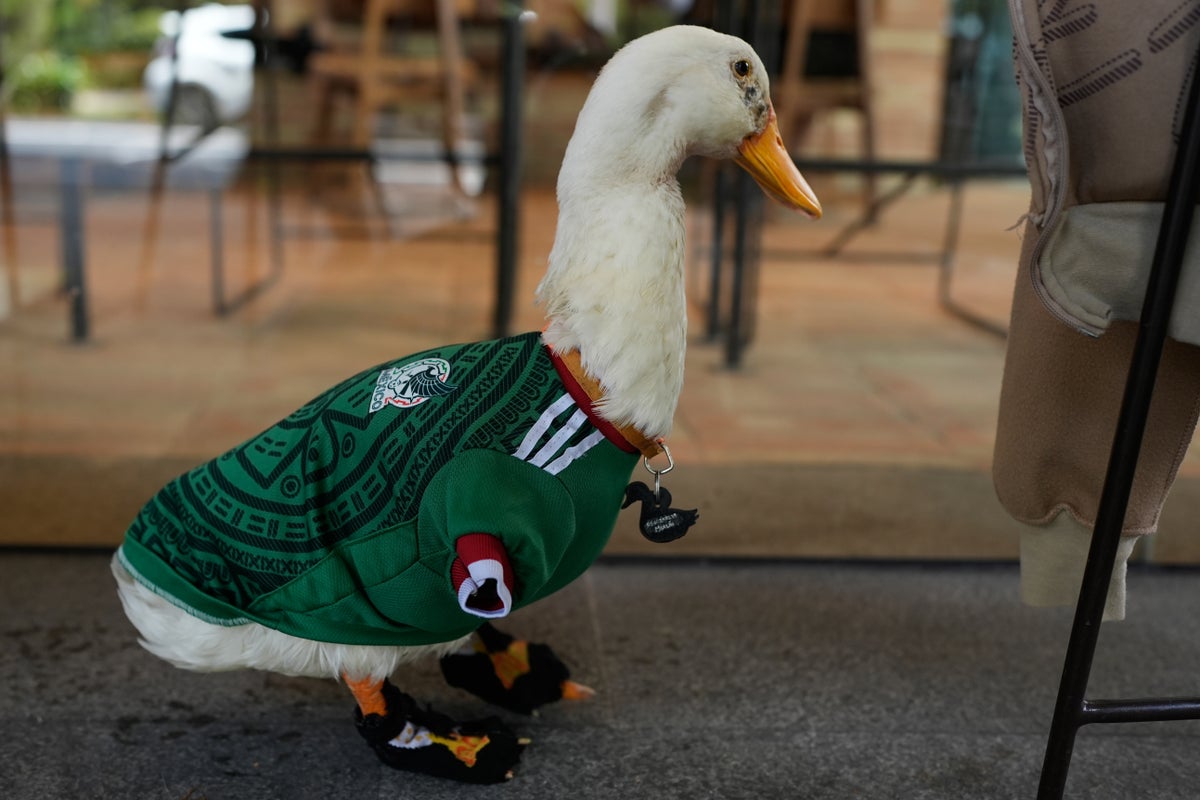
The subsequent march to Fenway Park was a sea of absolute euphoria. Locals stepped out of offices and apartments, pulling out phones to record a parade of pure, unadulterated joy. A local dog was even spotted wearing a retro Scottish football shirt, gifted by a supporter celebrating his father’s seventieth birthday on the road.
Something shifted in the city's air. On local internet forums and in morning coffee lines, Bostonians began asking themselves an uncomfortable question: Why don't we know how to live like this? Why is our sports culture so often defined by anger, stress, and hostility, while these travelers can carry the weight of a nation’s dreams on their shoulders and still treat the whole thing like the greatest party on earth?
The city government noticed too. On a Thursday afternoon, inside a crowded Scottish restaurant called The Haven, Boston Mayor Michelle Wu stood before a room of fans and officials to announce something permanent. Boston and Glasgow were officially signing a sister city partnership.
It was a bureaucratic stamp on an emotional reality.
"We are both cities that have the grit," Wu said, capturing the room. "We have the passion for making sure people are at the center of everything that we do."
The tournament moves on, as it always does. The schedule dictates that teams must travel, groups must close, and the temporary citizens of the Tartan Army must eventually pack their bags, board their flights, and return to reality.
But as the final weekend of their Boston residency approached ahead of a crucial match against Morocco, the mood wasn't sorrowful. It was triumphant.
A lone bagpiper stood near the statue of Samuel Adams outside Faneuil Hall as the evening sun dipped below the skyline. He played a slow, traditional air that cut clean through the ambient hum of city traffic. A few passing commuters stopped. They didn't move to the next car this time. They stood, listened, and watched a city’s old identity soften, if only for a week, under the influence of a beautiful, roaring noise.