The artificial intelligence boom has a massive, earthbound problem. We are flat out of space and electricity. Tech giants want to train bigger models, but land-based data centers are hitting a wall. Local power grids are clogged. Real estate prices near major fiber hubs are insane.
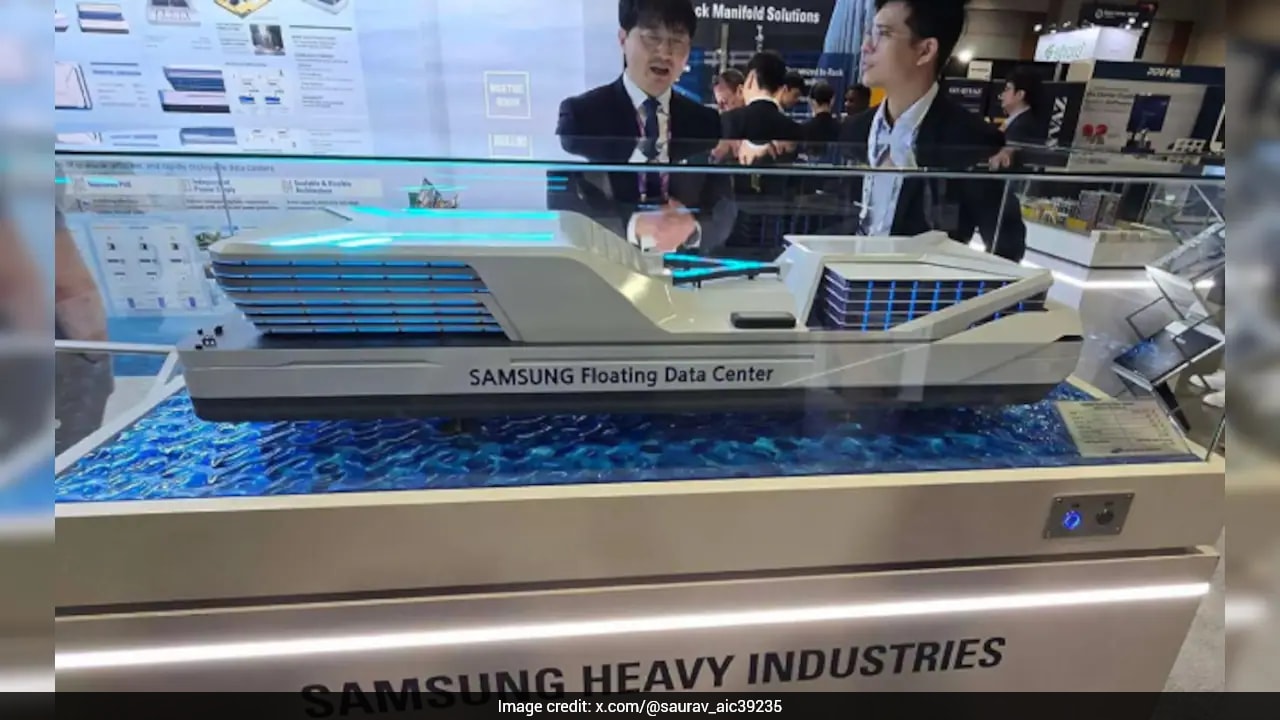
To bypass this mess, Samsung Heavy Industries is making a wild bet. They want to move the entire computing infrastructure out into the open ocean using custom-built floating AI data centers.
It isn't just a science fiction concept anymore. Samsung already secured early design approvals from maritime regulators like the American Bureau of Shipping and Lloyd’s Register. They aren't trying to patch up old cargo ships either. These are newly engineered, 50-megawatt floating data center vessels designed specifically for intense AI workloads.
The Shoreline Is The New Moat
Why park thousands of hot, power-hungry servers on a boat? It comes down to speed. On land, getting a new data center hooked up to a local power grid can take years. The lines are simply too long, and regional utilities can't keep up with the explosive demand of AI clusters.
Moving to the water changes the timeline from years to quarters. By building specialized vessels, Samsung can tow these floating hubs directly to coastal areas or ports. If they park near the shore, they can plug right into existing coastal power plants or nuclear facilities via subsea cables. This unlocks what developers call stranded generation capacity—power that exists but can't easily reach inland data centers because of grid bottlenecks.
When coastal grid power isn't available, these ships can generate their own clean electricity onboard. Samsung's design uses solid oxide fuel cells powered by liquefied natural gas (LNG). It completely sidesteps the traditional grid waiting list.
Then there’s the cooling issue. Traditional data centers drain billions of gallons of local freshwater or use massive, noisy air conditioning arrays. A ship doesn't have that problem. The ocean acts as a giant, infinite radiator. By pumping raw seawater through advanced liquid-cooling systems, these vessels can keep overheating AI hardware chilled without touching municipal water supplies.
Salt, Sweat, And Hard Drive Shakes
The benefits look great on paper, but the ocean is a brutal environment for precision electronics. Silicon valley hardware doesn't typically handle heavy ocean tilts, constant hull vibrations, high humidity, and corrosive salt air very well. If a wave hits a ship and shakes a rack of hyper-expensive GPUs, the financial loss could be staggering.
To prove this can actually work, Samsung Heavy Industries teamed up with server giant Supermicro. They are putting high-performance AI hardware through extreme stress testing in actual river and marine environments. Samsung is handling the structural engineering, offshore position control, and moisture-sealing tech. Supermicro is validating the actual server operating conditions to ensure the gear won't fry on its first real voyage.
This corporate team-up has caught the attention of big money outside of tech. Traditional shipowners are tired of watching their profits swing wildly based on chaotic global freight cycles. Leasing out specialized data center space to tech companies under stable, long-term contracts looks like a financial goldmine.
Greek shipowner Capital Clean Energy Carriers has already jumped in to help finance and commercialize Samsung's vessels. The business model works just like chartering an oil tanker. A shipowner buys the platform, and an AI company leases the computing capacity on a long-term contract.
Turning Shippers Into Tech Giants
Samsung isn't the only player dipping its toes into maritime computing. China recently launched a 24-megawatt subsea data center facility off Shanghai, and Japan’s MOL is planning a 73-megawatt floating plant for 2027. But Samsung is moving aggressively to lock down the market.
They’ve partnered with Dallas-based infrastructure developer Mousterian Corporation to target the US market. Mousterian claims this floating strategy will help deliver over 1.5 gigawatts of capacity over the next three years across multiple barge-based projects. Even more telling, Samsung signed a letter of intent with OpenAI last autumn to explore how these floating platforms can host future generations of advanced AI models.
What should you do with this information? If you're managing infrastructure, investing in energy, or scaling tech pipelines, stop looking exclusively at inland industrial parks.
Start evaluating coastal power access points and deep-water port proximity. Keep a close eye on the upcoming Supermicro and Samsung marine hardware durability reports over the next twelve months. The companies that figure out how to navigate the regulatory and environmental hurdles of offshore compute first will hold the keys to the fastest-scaling AI infrastructure on the planet.