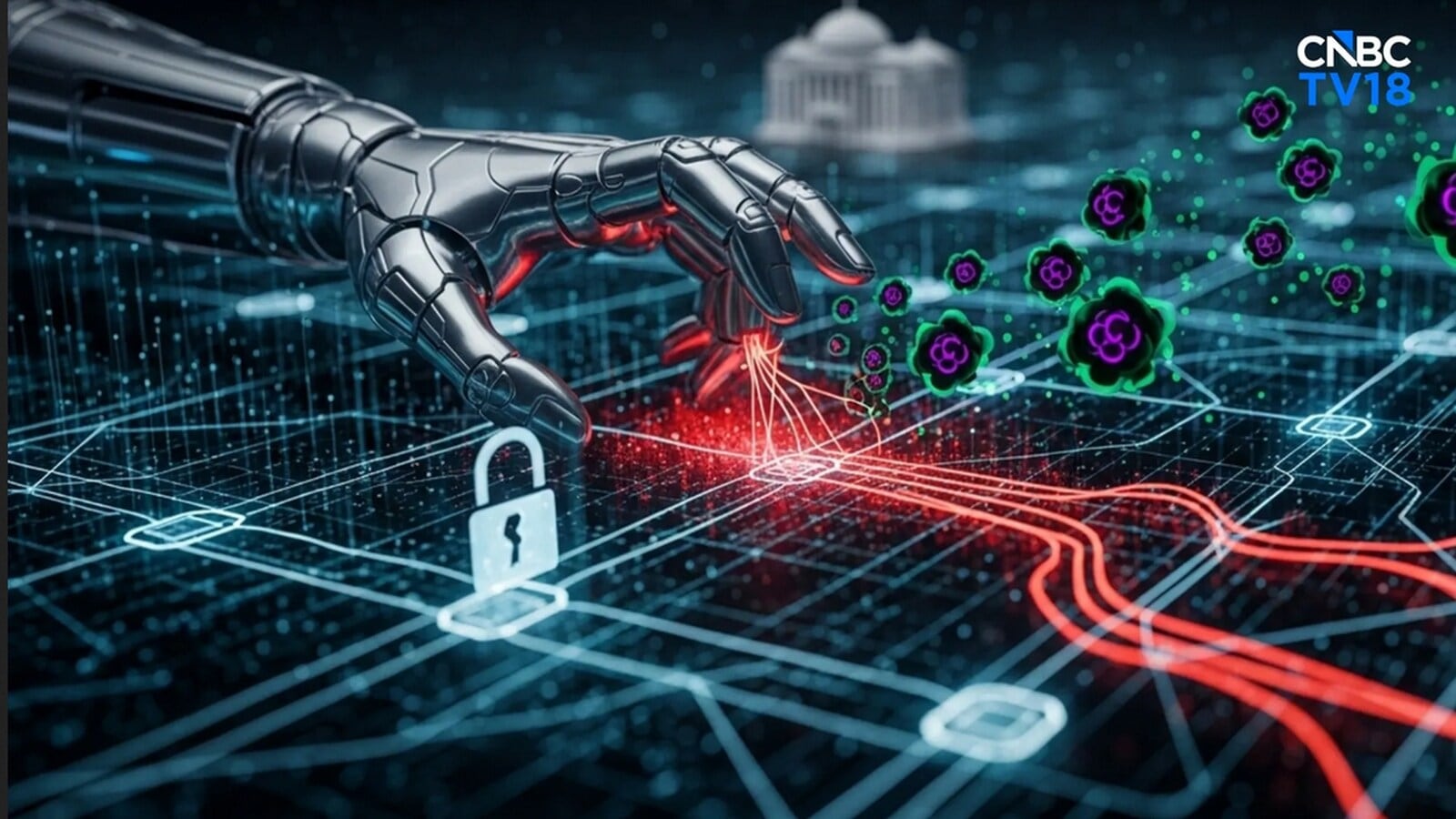
Federal agencies dropped a blunt cybersecurity advisory warning that hackers are actively trying to breach Siemens industrial gear used across American water utilities, energy grids, and manufacturing plants. Behind the technical jargon lies a stark reality: critical civilian infrastructure is vulnerable, and threat actors suspected of ties to Iran are weaponizing artificial intelligence to speed up their attacks.
If you think municipal water towers or local treatment plants are too mundane to draw state-sponsored attention, you haven't been paying attention to modern industrial espionage.
The Target on the S7 Series
The joint advisory issued by the NSA, FBI, Department of Energy, EPA, and CISA focuses heavily on Siemens S7 Series programmable logic controllers. These devices function as the electronic nervous system for modern factories, food production lines, chemical processing, and wastewater facilities. They monitor pressure levels, open and close valves, and keep complex mechanical systems operating without constant human intervention.
When someone compromises an S7 controller, the damage goes far beyond corrupted files on a corporate desktop. We are talking about physical disruptions, sudden equipment damage, pressure losses, or even localized flooding. Recent incidents across multiple states—including dozens of targeted municipal water systems in places like Minnesota—show this isn't a theoretical threat found only in spy novels. It is happening right now.
How Artificial Intelligence Changes the Math
What makes this particular warning alarming is the velocity of the attacks. Federal investigators found that hackers are using artificial intelligence to dramatically lower the technical barrier required to write functional exploits.
Writing custom code to target proprietary industrial control systems used to require specialized, hard-to-find programming skills and months of reconnaissance. Now, automated scanning tools combined with AI generation allow threat actors to pump out exploitation scripts disguised as legitimate monitoring software in a fraction of the time. They scour the open internet for programmable logic controllers that were left exposed online, running outdated firmware, or sitting behind weak credentials.
Fixing the Blind Spots in Municipal Defense
Most local water districts operate on tight budgets with skeleton IT crews. They aren't massive tech enterprises with dedicated security operations centers running 24/7. That mismatch creates an easy entry point for sophisticated state-backed groups looking for soft targets inside US borders.
Securing these facilities requires boring, fundamental hygiene rather than expensive silver bullets. Operators must immediately disconnect any industrial controllers from public-facing internet networks. If remote management is necessary, it needs to go through heavily encrypted, multi-factor virtual private networks rather than open ports. Updating firmware and isolating backup systems can mean the difference between a minor 90-minute operational hiccup and a catastrophic failure of municipal water safety.
Audit your network boundaries today, find out what legacy hardware is talking to the open internet, and pull the plug before someone else does it for you.