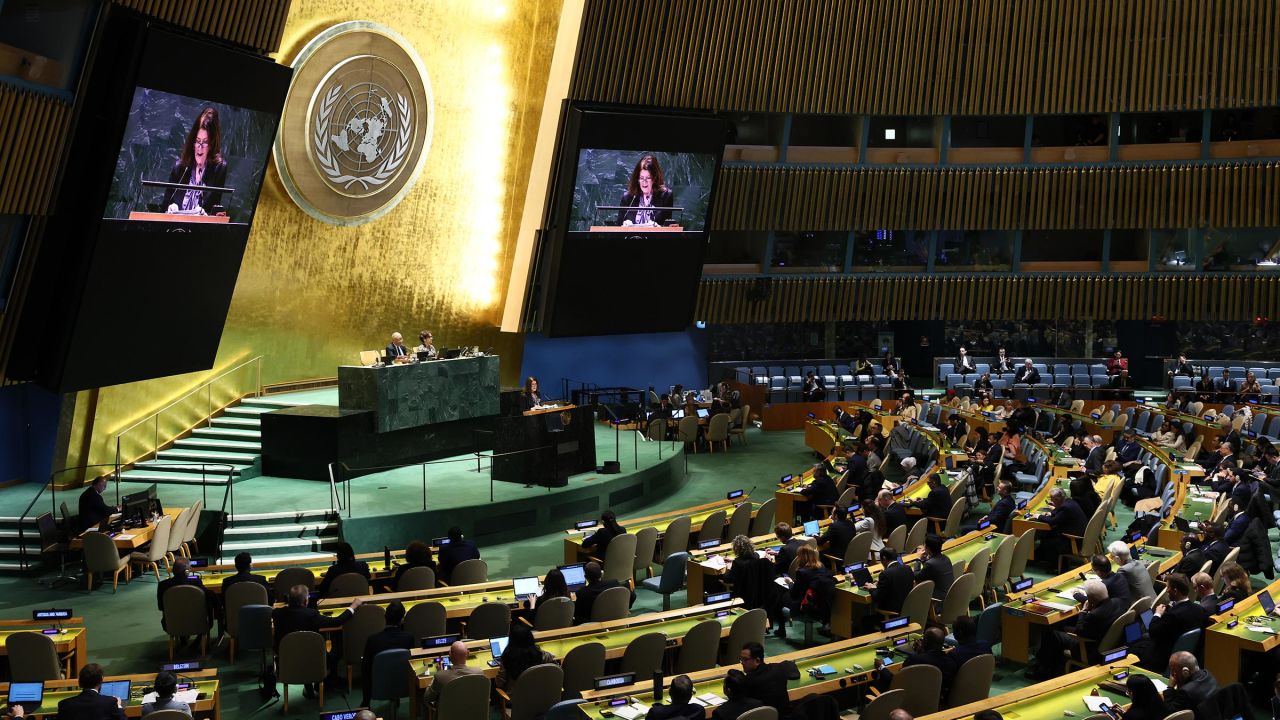
The global economy is currently staring down the barrel of a $200 oil barrel, and the reason is a thin strip of water called the Strait of Hormuz. You've probably heard the headlines about "tensions" and "maritime security," but let's get real. Right now, the United States and its Gulf Arab partners are scrambling to push a new resolution through the UN Security Council because the "dual blockade" in the Persian Gulf is pushing the world toward a financial cliff.
On Monday, May 4, 2026, U.S. Ambassador to the UN Mike Waltz confirmed that a fresh draft is in the works. This isn't just another strongly worded letter from New York. It's a high-stakes diplomatic gamble to stop Iran from choking off 20% of the world's oil. If you think your gas prices are high now, wait until this waterway becomes a graveyard for tankers.
The Dual Blockade Strategy
The situation is messy. We're currently seeing a "dual blockade" that sounds like something out of a Cold War thriller. On one side, the U.S. Navy has effectively blockaded Iranian ports since mid-April. On the other, Iran has retaliated by mining the Strait and using drone boats to harass anything that doesn't have "non-hostile" clearance from Tehran.
The new resolution, spearheaded by Bahrain and the GCC nations (Kuwait, Qatar, Saudi Arabia, and the UAE), aims to do three things immediately:
- Demand Iran stop seeding the water with sea mines.
- Force the disclosure of existing mine locations.
- Legalize a multilateral "defensive coordination" to escort merchant ships.
It’s about survival. For the Gulf nations, the Strait is their only exit. For the U.S., it's about keeping the global market from a total meltdown.
Why Previous Attempts Failed
You might wonder why we need another resolution when the UN already passed Resolution 2817 in March. That one condemned Iranian attacks on Gulf states, but it didn't have the teeth to stop the actual maritime interference. China and Russia abstained then, complaining the text didn't mention the U.S.-Israeli strikes that killed Ali Khamenei back in February.
Basically, the Security Council is a fractured mess. Russia and China aren't keen on green-lighting any "all necessary means" language that looks like a blank check for U.S. military action. The current draft tries to walk a tightrope—demanding "unimpeded passage" while avoiding the specific "Chapter VII" triggers that usually lead to a veto.
Operation Project Freedom and the Risk of War
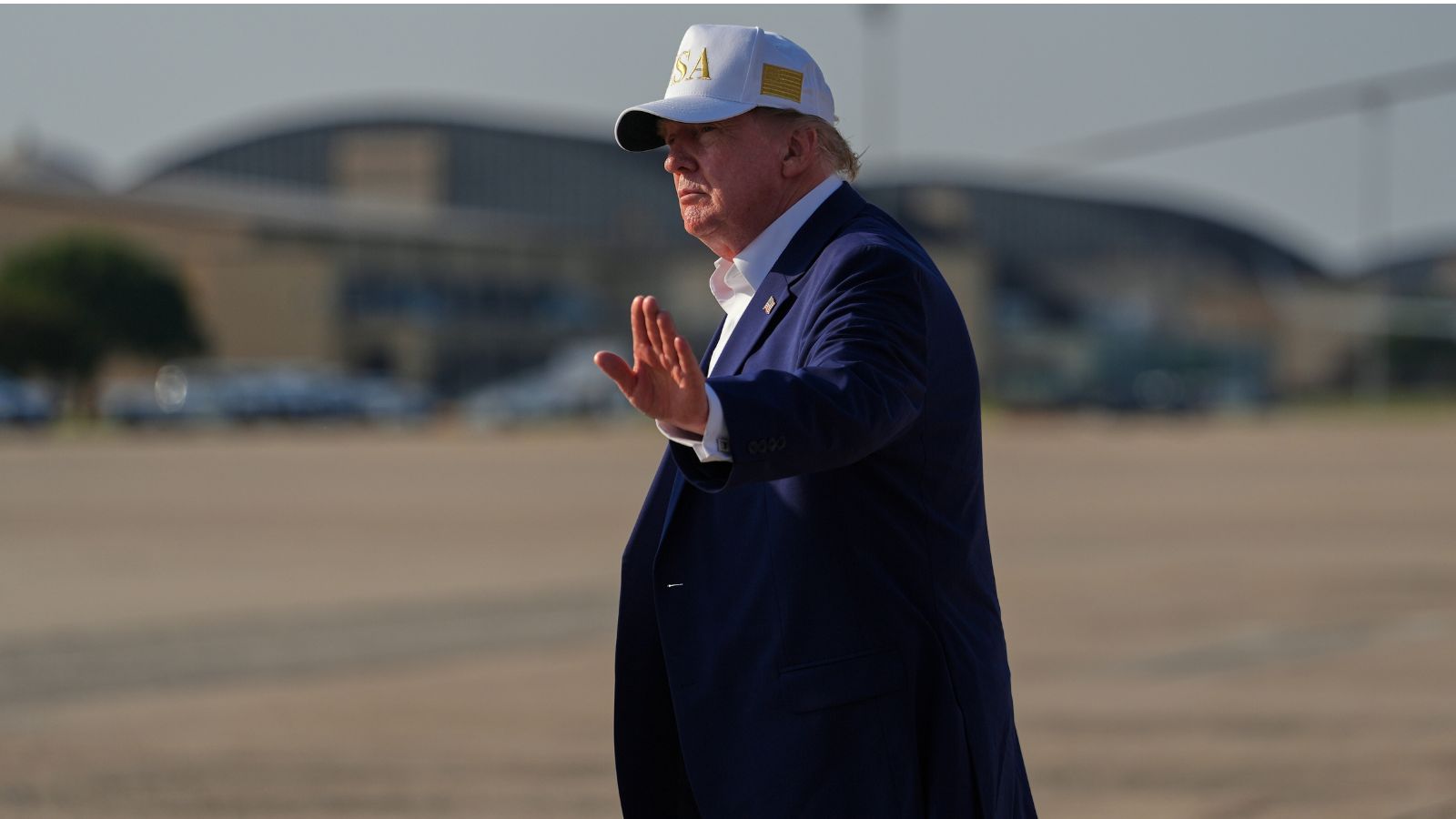
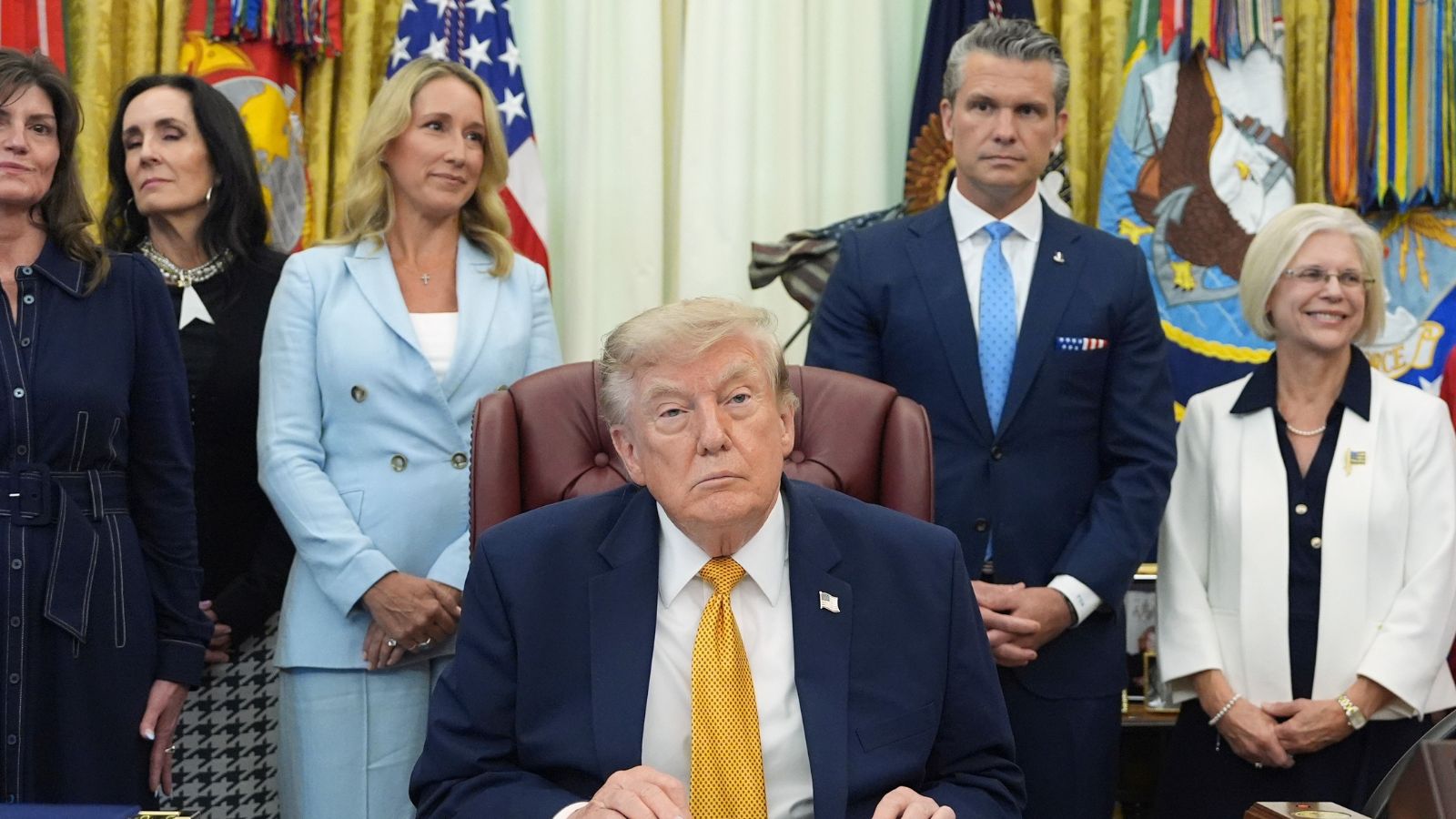
While the diplomats argue in New York, the reality on the water is moving much faster. President Trump recently launched "Operation Project Freedom." It's a blunt-force attempt to escort neutral ships out of the danger zone.
Iran’s response? A warning on May 4 for the U.S. to "keep out."
The risk isn't just a stray missile. It's the "shadow fleet" and the insurance markets. Right now, most commercial insurers have pulled "war risk" coverage for the Strait. If a ship isn't insured, it doesn't sail. If it doesn't sail, the oil stays in the ground. This resolution is as much about convincing insurance companies that the water is safe as it is about deterring the IRGC.
What This Means for the Rest of 2026
Don't expect a quick fix. Even if the resolution passes, the enforcement is the hard part. Iran has already shown it's willing to ignore the UN when it feels its "regime survival" is at stake.
What should you actually watch for?
- China's Vote: If China supports this, it means they're worried about their own energy supply more than their partnership with Tehran. That’s a massive shift.
- The Mine Disclosure: If Iran actually provides coordinates for its sea mines (highly unlikely), it’s a sign they want an off-ramp.
- The Escort Tensions: Watch how the U.S. Navy handles "non-hostile" vessels approved by Iran. If the U.S. starts stopping those ships, the "dual blockade" becomes a direct shooting war.
The diplomatic dance at the UN is essentially a race against the clock. Every day the Strait remains "effectively closed" is a day the global supply chain fractures further. Keep your eyes on the Security Council vote expected this week—it’s the last exit before a much larger military escalation.