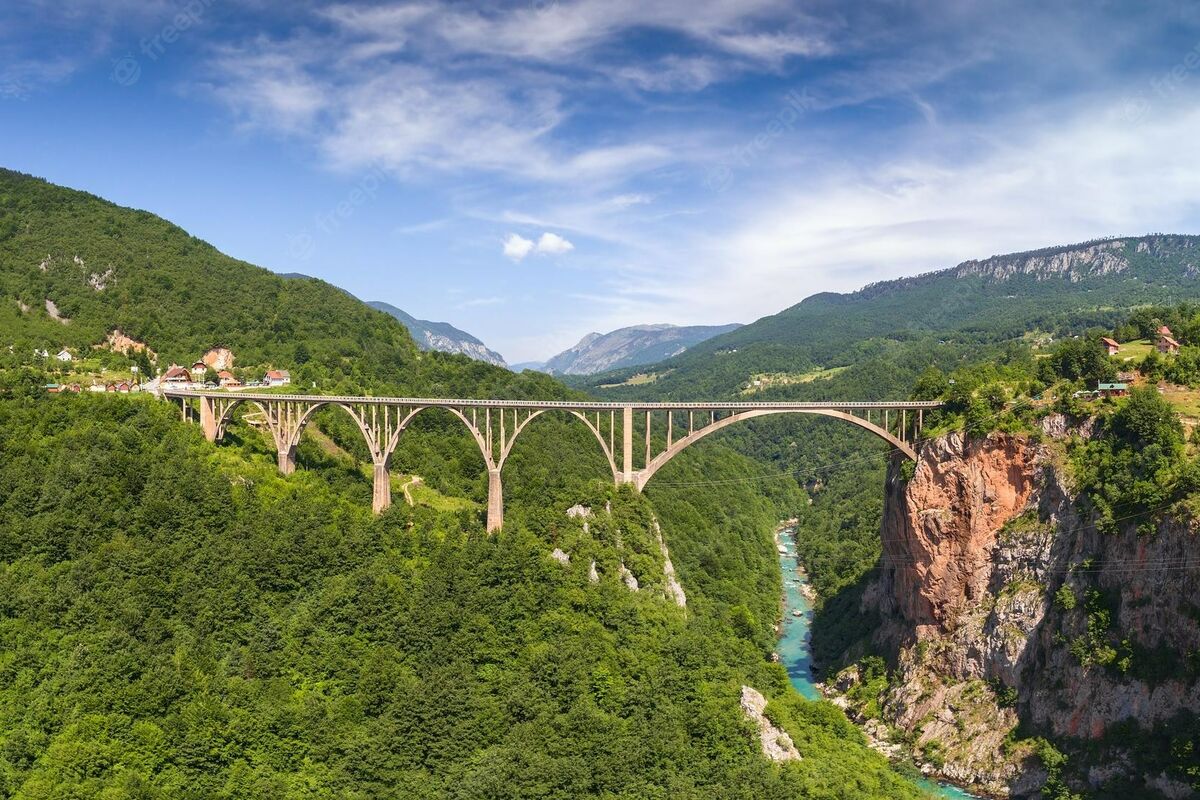
Concrete does not erase sovereignty. Steel does not create trust.
Every time a new span rises across the Yalu or Tumen rivers, the lazy consensus scrambles to file the same predictable story. North Korea is getting closer to China and Russia. A new Eurasian axis is locking into place. Sanctions are crumbling before our eyes.
That narrative is intellectually lazy. Worse, it gets the mechanics of power completely backward.
New bridges connecting North Korea to China and Russia do not knit three aligned partners into a cozy bloc. They expose friction, create asymmetric leverage, and force a paranoid regime in Pyongyang to manage the exact threat it fears most: being swallowed whole by larger neighbors who view North Korean sovereignty as a bargaining chip.
When analysts read "North Korea gets closer to China and Russia with new bridges" and picture seamless integration, they are mistaking physical proximity for political harmony. A bridge is just a corridor. Corridors carry munitions, coal, laborers, inspectors, and spies. They also carry pressure.
The Lazy Consensus Around Border Bridges
The standard playbook goes like this. Two or three authoritarian states share grievances against Washington. One builds a road or rail crossing over a border river. Commentators immediately declare a deepening trilateral alignment, treating infrastructure as proof of permanent strategic brotherhood.
I have watched policy shops and commercial consultants burn millions of dollars over the years betting on border infrastructure to transform frontier economics. I have seen logistics firms study port capacities, rail gauges, and customs plazas along East Asian borders only to watch trucks sit idling because customs rules changed overnight or political wind shifted before dawn.
In border logistics, throughput is the actual volume of goods and people that moves across a crossing over time, whereas capacity is the theoretical maximum the physical structure can handle on paper. Confusing the two is how analysts get blindsided. A four-lane bridge or a reinforced rail span has high theoretical capacity. Actual throughput depends on inspection bottlenecks, rail-gauge breaks, power grids, road quality on the receiving end, and above all, political permission.
Look at the Yalu River between Dandong and Sinuiju. China spent years building a major new bridge downstream from the aging Sino-Korean Friendship Bridge, only for the project to stall for years on the North Korean side because Pyongyang hesitated over customs control, economic dependence, and how much influence Beijing would gain inside a special economic zone. Infrastructure sat unfinished not from lack of concrete, but from political calculation.
Meanwhile, on the Russian frontier across the Tumen River, Moscow and Pyongyang have pushed hard to expand physical links—including road and rail connections—to move equipment, raw materials, and supplies tied to their wartime and strategic partnership. That movement is real. Calling it effortless integration is a fantasy.
Physical Links vs. Strategic Alignment
Geography has always put China, Russia, and North Korea next to one another. Geography alone does not make them natural allies.
China’s relationship with North Korea has long been defined by wary pragmatism rather than ideological warmth. Beijing wants stability on its northeast border, buffer value against U.S. forces in South Korea, and predictable trade—not an unpredictable junior partner dragging China into escalations over nuclear tests or missile launches.
Russia’s posture is transactional and immediate. Moscow needs artillery shells, rockets, industrial inputs, and diplomatic cover; Pyongyang wants hard currency, energy, food, technology transfers, and international legitimacy. Two desperate or opportunistic sides can trade urgently without sharing long-term interests.
A bridge shortens transit time between two points. It does not align grand strategy. Sometimes it makes competing agendas collide faster.
What People Actually Get Wrong About These Crossings
When headlines spotlight new crossings between North Korea, China, and Russia, readers naturally reach for familiar questions. None of those questions work if you accept the premise that concrete equals closeness.
Are New Bridges Proof of a Permanent Tripartite Bloc?
No. Treating every joint project along the Yalu or Tumen as evidence of a unified bloc ignores the triangular tension inside the relationship itself.
Pyongyang has spent decades playing Beijing and Moscow off one another so neither can dominate North Korea alone. Putting all of your logistics eggs in one neighbor’s basket is fatal for a regime obsessed with regime survival. Even when war, sanctions, or diplomatic isolation push North Korea closer to Russia or China at a given moment, Pyongyang guards its autonomy fiercely.
A bridge to Russia can actually give North Korea a counterweight against over-reliance on China, just as a bridge to China can give Pyongyang leverage when Moscow gets demanding. Calling that "getting closer" in one neat, unified direction misses the tug-of-war happening right on the riverbanks.
Do These Bridges Mean Sanctions Are Dead?
Sanctions are battered, evaded, and unevenly enforced, especially when major powers refuse to cooperate. Still, declaring sanctions dead because a bridge opens is sloppy analysis.
Sanctions work through friction, cost, and risk. Moving goods across a visible land bridge is not the same thing as clearing dollar transactions through compliant banks or insuring cargo through mainstream maritime markets. Even physical crossings face bottlenecks: weight limits, fuel shortages, bad feeder roads, customs inspections, and the constant risk of secondary scrutiny on entities tied to sanctioned networks.
Imagine a scenario where a newly opened bridge doubles physical lane capacity overnight, yet North Korean trucks still wait days because of power outages at customs checkpoints and shifting political quotas. The bridge exists. The bottleneck remains.
Does Better Connectivity Make North Korea Prosperous?
Better connectivity can lower transport costs, yet for North Korea’s leadership, broad-based economic openness carries a steep political price: information flow, outside influence, and pockets of wealth outside state control.
Pyongyang has historically tightly rationed contact across its borders. Even during periods of brisk trade with China, the regime built walls, fences, and strict controls to keep frontier towns from becoming conduits of outside ideas or unapproved markets.
Infrastructure helps the state move what the state wants moved—military hardware, state-directed commodities, official delegations. It does not automatically turn a tightly controlled command economy into a thriving regional hub.
The Hidden Leverage Inside Every Span
Every cross-border bridge creates an asymmetric trap. One side usually has deeper pockets, heavier engineering muscle, and larger markets. The smaller side has sovereignty anxieties and territory at the landing point.
When China or Russia builds or upgrades a link into North Korea, the bigger partner gains a physical artery into the interior. Even if Pyongyang controls the gatehouse on its bank, the mere existence of a high-capacity link changes bargaining dynamics. Who controls maintenance? Who sets transit fees? What happens when one side slows shipments or tightens inspections during a diplomatic dispute?
Political scientists and strategists like Thomas Schelling long ago mapped out how interdependence and physical chokepoints shape bargaining power—showing that links meant to bind parties together often become instruments of coercion when interests diverge. Bridges are classic examples. They create mutual exposure, and mutual exposure is rarely symmetric when one economy dwarfs the other.
There is also a downside to my own contrarian reading here, and I will state it plainly. If I underplay the speed at which wartime necessity or desperate diplomacy can push Moscow and Pyongyang into deeper operational habits, I risk missing short-term tactical gains they make right now. When a partner is supplying munitions during an active conflict, physical links matter fast. Overestimating friction at the exact moment two sides are willing to eat high costs to move critical supplies is a real blind spot to watch out for.
Even with that caveat, the bigger mistake in mainstream coverage remains intact: confusing tactical cooperation and physical crossings with durable closeness.
How Analysts and Decision-Makers Should Read the Map
If you want to understand what is actually happening along the North Korean border, stop counting ribbon-cuttings and start watching friction points.
- Track actual cargo flow, not ribbon-cutting photos. Look for sustained movement of heavy equipment, fuel, grain, and raw materials over months, not ceremonial openings.
- Audit the feeder infrastructure on both sides. A modern bridge leading into a potholed road, single-track rail line, or unreliable power grid hits a hard ceiling fast.
- Watch customs sovereignty and inspection rules. Whoever controls inspections, manifests, and access controls the real leverage at the border.
- Separate bilateral urgency from trilateral unity. A Russia–North Korea link and a China–North Korea link solve different problems for different actors; do not merge them into one seamless story.
Bridges do not make neighbors friends. They just bring their competing interests within shouting distance.