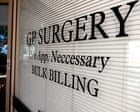
Walk into almost any suburban medical centre in Australia right now, and you'll feel a weird sense of relief mixed with lingering suspicion. Government figures show that almost two-thirds of Australians are now being bulk-billed for all their GP care, driven by extra federal incentives aimed at keeping doctors from charging out-of-pocket fees. On paper, Medicare looks like it's bouncing back from the brink.
In reality, the numbers tell a far more complicated story.
If you've recently paid $45 or $60 out of pocket just to get a repeat script or a quick check-up, you're probably looking at that "two-thirds" statistic and wondering who those lucky people are. They're real, and the policy shift behind them is working—mostly. Understanding how these bulk-billing incentives actually operate on the ground is the difference between walking out of a clinic with your bank balance intact and getting hit with an unexpected gap fee at the reception desk.
How the Bulk-Billing Incentive Overhaul Changed the Math
For years, the Medicare rebate stayed frozen or crept up at a snail's pace while rent, insurance, and nursing wages skyrocketed. Doctors weren't abandoning bulk-billing out of greed. They were doing it because running a clinic on a $41 rebate didn't cover the cost of keeping the lights on.
Then came the federal government's decision to triple the bulk-billing incentive for specific groups. Suddenly, the financial math inside general practice shifted overnight. Instead of losing money every time they swiped a Medicare card for an eligible patient, GPs could actually make the numbers work—especially in regional and rural areas where the incentive payments scale higher to account for the extra difficulty of keeping clinics open.
Here is who the tripled incentive actually targets:
- Children under 16 years of age
- Commonwealth concession card holders (including pensioners and low-income earners)
- Patients living in regional, rural, and remote areas, where modified Monash model classifications push the rebate higher
Notice who isn't on that list? Healthy, working-age adults living in major cities without a concession card.
That distinction explains the massive disconnect between the glowing national headlines and the frustration felt by millions of everyday Australians. When the Department of Health reports that almost two-thirds of Australians had all their GP visits bulk-billed, that statistic is heavily carried by pensioners, families with young kids, and regional residents. If you're a 34-year-old software developer in Sydney or Melbourne, your local clinic is probably still charging you a gap fee.
The Difference Between Bulk-Billed Visits and Bulk-Billed Patients
One of the biggest traps in healthcare reporting is confusing the percentage of visits that are bulk-billed with the percentage of patients who never pay a cent. They aren't the same thing.
A pensioner with chronic health issues might visit their GP twelve times a year. Every single one of those visits gets bulk-billed. Meanwhile, an otherwise healthy adult might go to the doctor once a year for a skin check or an ear infection and pay a $50 gap. In the raw visit data, twelve out of thirteen appointments were bulk-billed—over 92 percent. Looking at individual patients, though, only half of those two people avoided paying out of pocket.
That's why the specific metric showing almost two-thirds of Australians getting all their GP care bulk-billed matters so much. It measures individual people, not just appointment volume. It means roughly 65 percent of the population didn't pay a single gap fee to see a general practitioner over the measured period. Before the incentive boost, that number had been sliding dangerously downward, sparking genuine panic that universal primary care was dying in Australia.
Still, relying on a national average hides wild variations depending on your postcode. In parts of outer-suburban Sydney or regional Queensland, finding a bulk-billing doctor is fairly straightforward again. Drive twenty minutes into an inner-city suburb in Brisbane, Perth, or Adelaide, and universal bulk-billing remains practically extinct. Clinics in high-rent metro areas face commercial leases that even the boosted Medicare rebates can't touch.
Why Your Local Clinic Might Still Charge a Gap Fee
You'd think that extra government cash would convince every GP to ditch gap fees entirely. It hasn't, and there's a solid reason why.
Most Australian general practices operate on a mixed-billing model now. Under mixed billing, the clinic bulk-bills children, pensioners, and vulnerable patients—collecting the tripled government incentive—while charging private fees to everyone else. From a clinic owner's perspective, this is basic survival. The government incentive applies only to eligible concession patients and kids; it doesn't add a single extra dollar to the standard consultation rebate for a standard adult patient.
Think about what that means for a GP's daily schedule. If a doctor sees a 70-year-old pensioner in a regional town, the combined Medicare rebate and tripled incentive might bring in around $70 to $80 for a standard 15-minute consultation. If that same doctor sees a 40-year-old without a concession card ten minutes later, the standard Medicare rebate drops back down to roughly $42.85.
No business can absorb a 45 percent drop in revenue for doing the exact same amount of work. So the clinic passes that shortfall onto the non-concession patient as an out-of-pocket gap fee.
There's also the issue of appointment length. Standard Medicare rebates reward volume, not time. A quick six-minute script renewal pays the exact same base rate as a nineteen-minute consultation where a patient breaks down in tears over their mental health. Doctors who refuse to rush patients through like cattle on a conveyor belt almost always have to charge a private fee for longer appointments, simply because Medicare undervalues complex, time-consuming care.
How to Avoid Surprise Out-of-Pocket Costs at the GP
Don't assume anything when you book a doctor's appointment. Even if a clinic used to bulk-bill you two years ago, their billing policy has likely changed—or shifted back—since the new incentives rolled out.
Start by checking the clinic's website before you book, specifically looking for their "Fees" or "Billing Policy" page rather than relying on third-party booking apps like HotDoc or HealthEngine, which sometimes lag behind clinic updates. If you hold a Health Care Card, Pensioner Concession Card, or Seniors Health Card, mention it to the receptionist the second you call or walk in. Receptionists don't always see updated concession details automatically unless your Medicare record is linked properly.
Ask about specific consultation types too. Many mixed-billing clinics will bulk-bill a standard follow-up appointment or a routine vaccination, even if they charge a gap fee for an initial consultation or a complex procedure like an iron infusion or skin biopsy. Telehealth appointments also have strict eligibility rules; unless you've seen that specific GP (or another doctor at the exact same practice) face-to-face within the last twelve months, Medicare won't cover the telehealth rebate at all, leaving you on the hook for the entire private fee.
If you live in a regional area, check your town's classification under the Modified Monash Model, which the Department of Health uses to determine rural incentive tiers. Clinics in MM2 through MM7 zones receive substantially higher bulk-billing incentives than major cities (MM1), giving local doctors much more room to bulk-bill broader groups of patients.
Keep your concession cards updated in your myGov account and linked directly to Medicare so automatic bulk-billing triggers without administrative hiccups at the front desk. If you're facing ongoing medical costs for a chronic condition, ask your GP about a Chronic Disease Management plan—this unlocks up to five Medicare-subsidised allied health visits per year, cutting down what you spend on physios, podiatrists, or dietitians even if you still pay a small gap to see the doctor.