Hollywood is testing your boundaries again.
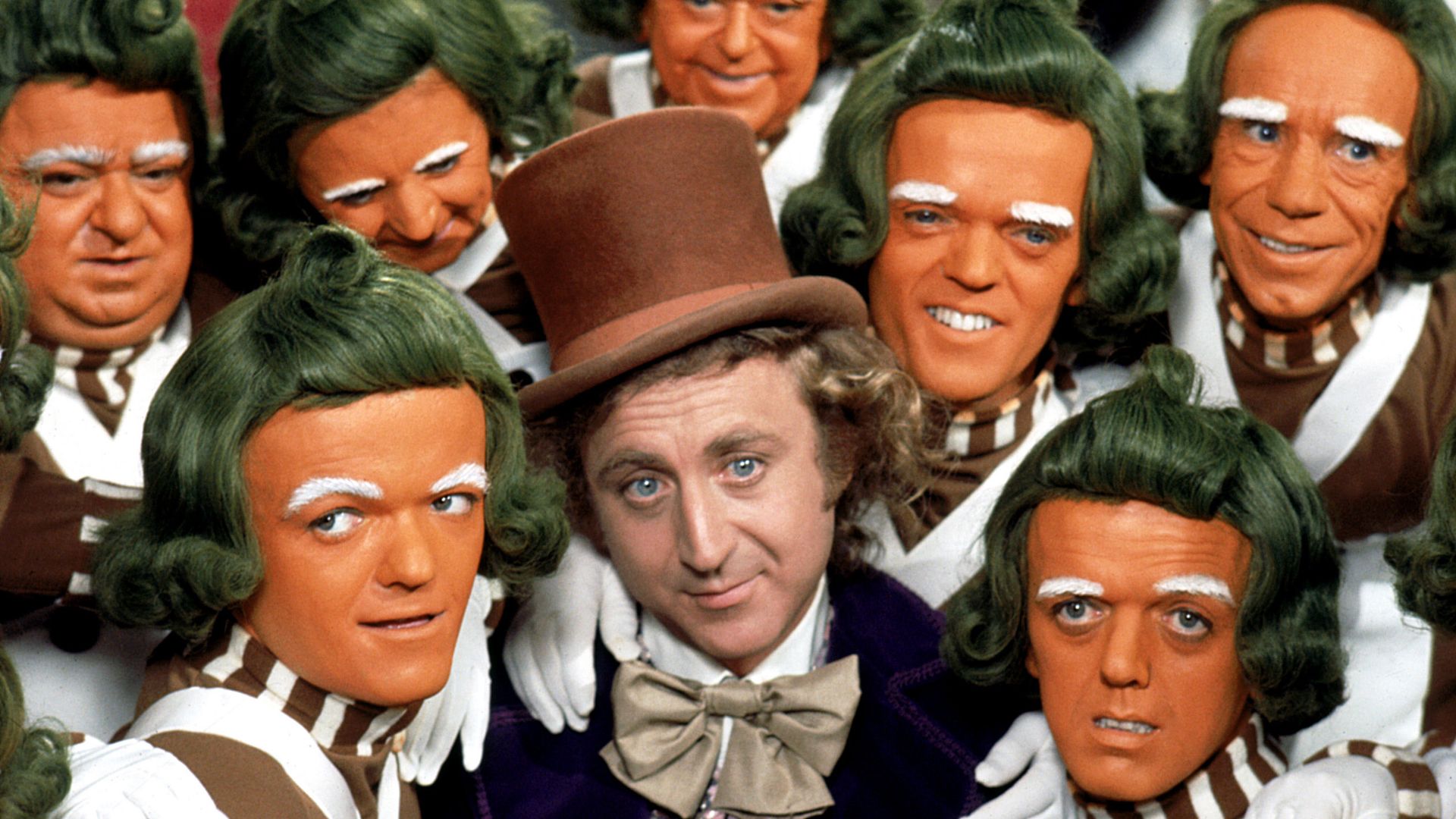
Netflix just dropped the trailer for Wonka's The Golden Ticket, a reality competition series scheduled to stream on September 23, 2026. The premise sounds familiar. Twelve contestants split into six pairs navigate a physical, mental, and moral gauntlet inside a simulated chocolate factory. But the real headline isn't the grand prize or the return of original Oompa Loompa actor Rusty Goffe. It is the narrator.
"For the first time in decades, I'm opening my beloved chocolate factory," says a voice in the trailer.
It sounds like Gene Wilder. But it isn't. Wilder died in 2016 at the age of 83. What you are hearing is a digital clone built by AI voice firm ElevenLabs. While the project has the official blessing of the Gene Wilder Estate and his widow, Karen B. Wilder, fans are already pushing back online.
The backlash reveals a deep discomfort with how streaming platforms treat the legacy of dead performers. It raises a serious question for viewers. Just because tech allows us to resurrect a legendary voice, does that mean we should?
The Tech Behind the Candy Man
To understand why this feels off, you have to look at how ElevenLabs pulled it off. The company uses deep learning algorithms trained on hours of existing audio archives. By analyzing Wilder's distinct pitch, speech pacing, and melodic vocal inflections from his old film roles, the software can generate entirely new sentences from text inputs.
The technology itself isn't a prototype. ElevenLabs has already secured deals to use the synthetic voices of late icons like Judy Garland and Burt Reynolds for various audio projects. They also hold active partnerships with living actors, including Matthew McConaughey and Michael Caine, to license their vocal likenesses.
But a scripted movie or an audiobook narration is one thing. Inserting a dead man's voice into an unscripted reality television show is a different beast. In the trailer, the digital clone states, "The most extraordinary competition on Earth is about to begin."
The delivery falls flat for anyone who grew up watching the 1971 classic Willy Wonka & the Chocolate Factory. Early reactions on social media have highlighted that the synthetic model struggles with nuanced human cadence. One user on X noted that the machine pronounced the word "extraordinary" with an unnatural, clunky cadence. It lacks the subtle, unpredictable malice and warmth that Wilder naturally injected into the original character.
Legal Consent Versus Artistic Intent
From a legal standpoint, Netflix covered its bases. The streamer partnered directly with the Roald Dahl Story Company—which Netflix bought outright in 2021—and worked closely with Wilder’s estate.
Karen B. Wilder issued a statement supporting the decision. She explained that the family estate is delighted to introduce the magic of the character to a new generation while honoring long-time fans.
But there is a stark difference between legal ownership and artistic intent. Wilder famously walked away from feature films in 1991. In his final public interviews, he was open about his distaste for the direction Hollywood was heading. He criticized modern blockbusters for being too loud, relying on cheap shocks, and lacking genuine human emotion. He even called Tim Burton's 2005 remake of Charlie and the Chocolate Factory an "insult."
Knowing Wilder's real-world stance on commercial reboots makes hearing his digital ghost promote a corporate reality show uncomfortable. It highlights a growing corporate trend. Dead celebrities are no longer resting; they are being repurposed as renewable marketing assets.
A Growing History of Digital Resurrection
Netflix isn't the first studio to walk this ethical tightrope. Hollywood has spent the last decade normalizing the use of digital likenesses and voice cloning.
- Star Wars: Lucasfilm used archival audio and synthesis to recreate Peter Cushing's Grand Moff Tarkin and Carrie Fisher's Princess Leia in Rogue One. Later, they used Respeecher software to clone a young Mark Hamill's voice for The Mandalorian.
- Ghostbusters: In Ghostbusters: Afterlife, Sony used digital visual effects and a body double to bring back the late Harold Ramis as Egon Spengler.
- Fast & Furious: Universal completed Paul Walker’s remaining scenes in Furious 7 using a combination of CGI and his brothers acting as body doubles.
The difference in 2026 is accessibility. What used to require a $100 million visual effects budget and a team of specialized artists can now be handled by an AI voice model in a matter of hours. The barrier to entry has vanished, opening the floodgates for studios to choose cheap nostalgia over original casting.
Why Cheap Nostalgia Suffocates New Actors
The decision to clone Wilder reveals a lack of creative nerve. Willy Wonka is a literary character created by Roald Dahl. The role is built for reinterpretation. Johnny Depp gave the character a quirky, reclusive edge. Timothée Chalamet brought a youthful, musical optimism to the 2023 prequel Wonka.
Instead of hiring a living voice actor to bring a fresh perspective to the reality show, Netflix chose to dig up a 55-year-old performance. It is a cynical marketing gimmick designed to trigger immediate nostalgia clicks.
When major studios rely on synthetic clones of deceased legends, they take opportunities away from living talent. Voice actors rely on these exact types of narration gigs to build their careers. Now, they are forced to compete against the cheap, automated ghosts of the greatest actors in history.
How to Protect Artistic Legacy in the Digital Age
The rollout of Wonka's The Golden Ticket proves that audiences need to stay critical of how synthetic media is used. If you want to protect the integrity of the artists you care about, consider taking these direct steps.
Vote With Your Viewership
Studios track watch-time metrics down to the millisecond. If a show using an AI-recreated voice pulls in massive ratings, it tells executives that audiences accept the practice. If you find the use of Wilder's voice exploitative, skip the stream when it debuts on September 23.
Demand Clear Disclosure Labels
Netflix hasn't confirmed whether the episodes of Wonka's The Golden Ticket will feature an on-screen warning stating that Wilder's voice is entirely AI-generated. Support organizations and advocacy groups that push for federal transparency laws requiring all synthetic media to be explicitly labeled as such.
Revisit the Original Work
The best way to honor an actor's legacy is to watch the actual work they created while they were alive. Skip the synthetic reality TV spin-off. Go watch the original 1971 Willy Wonka & the Chocolate Factory instead. Experience the real pauses, the genuine eccentricities, and the human warmth that a machine learning model simply cannot replicate.