Saying the facts "remain unclear" after a veteran photojournalist is beaten in broad daylight near Abu Falah isn't caution. It's a framing choice.
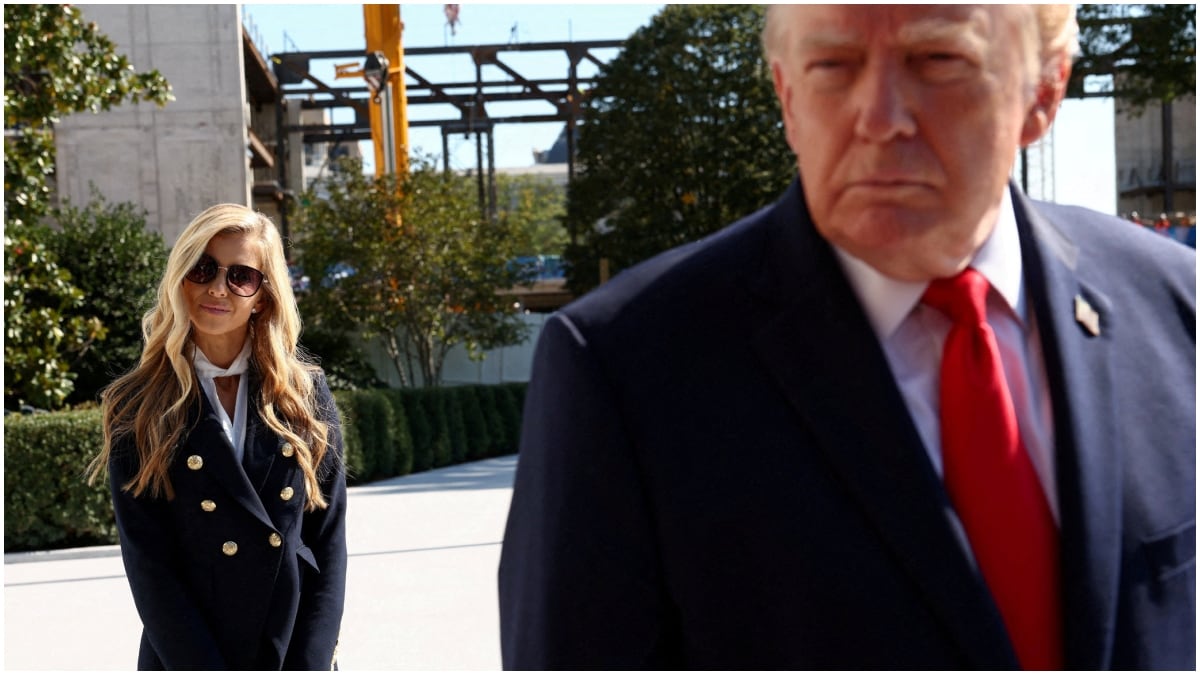
When Israeli Prime Minister Benjamin Netanyahu responded to the October 16, 2026 attack on Washington Post photojournalist Heidi Levine near Abu Falah in the occupied West Bank by saying details were unclear and under investigation, pushback was immediate. Levine had been covering the annual olive harvest when dozens of masked settlers attacked Palestinian farmers and assaulted her. She wore a helmet and vest clearly marked "Press". Video footage circulated widely showing her on the ground while attackers surrounded her, and her cameras and phone were taken.
To people watching the video or reading her hospital interviews, calling the basic facts unclear sounded like denial dressed up as neutrality. Yet in high-conflict reporting, official statements like Netanyahu's do a specific political job. They slow down blame, cast doubt on eyewitness accounts, and shift attention from an immediate assault to a future inquiry.
What Happened Near Abu Falah and Why the Clashes Matter
Abu Falah sits northeast of Ramallah in the central West Bank, an area where Palestinian olive groves meet rocky hills and nearby settlements. Every autumn, the olive harvest is both an economic lifeline and a cultural marker for Palestinian families. It is also a flashpoint season.
According to eyewitnesses, journalists on scene, and rights reports, masked assailants descended on farmers picking olives near Abu Falah on October 16, throwing stones, burning trees, and assaulting people in the groves. Levine said she was knocked down, kicked repeatedly, and had her gear ripped away while trying to document what was happening. She credited local Palestinians and fellow journalists with helping shield her during the worst of it.
The olive harvest isn't a quiet farming routine anymore. It's a test of access and control. Data from Peace Now cited by the UN Office for the Coordination of Humanitarian Affairs (OCHA) showed that Israeli military orders ahead of the 2026 harvest expanded the area requiring prior coordination for Palestinian farmers to roughly 88,300 dunams, nearly 30 percent higher than the prior year. Even with coordination, farmers often face closed gates, short windows, or sudden confrontations.
Why "Facts Remain Unclear" Sparks Such Fierce Pushback
When a leader says the facts aren't settled yet, two different arguments collide.
From a legal or official standpoint, governments often argue that a formal investigation must establish every detail—who threw the first stone, which individuals struck which blows, and how security forces responded—before drawing final conclusions. Netanyahu's office stressed that the probe needed to determine who initiated the violence and warned against using disputed incidents to tar all West Bank residents.
From the perspective of the newsroom and the injured reporter, that phrasing crosses a line. Washington Post executive editor Matt Murray pushed back sharply, noting that some facts weren't up for debate: their photographer wore clear press markings and was beaten. Speaking from the hospital, Levine called the suggestion that the facts were unclear insulting, pointing to the video record and saying she had been targeted despite identifying herself.
Honestly, this gap happens all the time in fast-moving disputes. Officials talk about investigative completeness—every link in the chain—while witnesses and editors talk about observable reality—what just happened on camera. When those two definitions don't match, trust evaporates fast.
Patterns of Settler Violence and Accountability Gaps
You can't really understand why a single statement over Abu Falah drew so much heat without looking at the broader pattern around it. This wasn't treated by press groups or human rights monitors as a one-off misunderstanding.
The Foreign Press Association condemned the assault as part of a continuing pattern of violence by settlers against journalists and civilians in the West Bank, arguing that repeated calls for enforcement had gone unanswered. Groups like the Committee to Protect Journalists and Amnesty International also highlighted the assault on Levine amid broader warnings about escalating attacks during the harvest.
Between October 1 and November 16, 2026, Israeli monitoring group Yesh Din recorded 446 incidents linked to the olive harvest targeting Palestinians and their property across the West Bank, including 219 violent assaults and 209 cases of theft or property damage, with security forces present in more than 100 of those cases. While security officials stated they take violence and criminal behavior seriously and act to keep order, critics and rights groups have long pointed to low prosecution rates and frequent releases of suspects as evidence of weak accountability.
Even within Israel's own political system, reactions weren't uniform. Israeli President Isaac Herzog condemned the attackers in harsh terms, calling their behavior criminal and a stain on society, while Levine contrasted his outreach with the silence she felt from Netanyahu's office. That split shows how sensitive settler conduct has become politically, especially with coalition dynamics and election pressures shaping how leaders speak.
How to Read Conflicting Statements on Conflict Incidents
If you're following news out of the West Bank or any active conflict zone, you're going to see competing narratives almost every day. A few habits help keep you grounded without falling for spin from any side:
- Separate the core event from the surrounding clash. A chaotic confrontation can involve stone-throwing, tear gas, and multiple groups while still leaving clear facts about a specific assault on a marked journalist.
- Check what's verified versus what's claimed. Look for timestamped video, hospital records, independent press association statements, and official military or police releases—and note where each one stops.
- Watch the follow-through, not just the statement. Condemnations and promises to investigate are routine right after a viral incident. Arrests, charges, court outcomes, and access changes weeks later tell you much more than opening remarks.
When reading future updates on Abu Falah or similar clashes, check later court reports and independent observer tallies rather than relying on the first round of headlines. That's usually where the real story shows up.