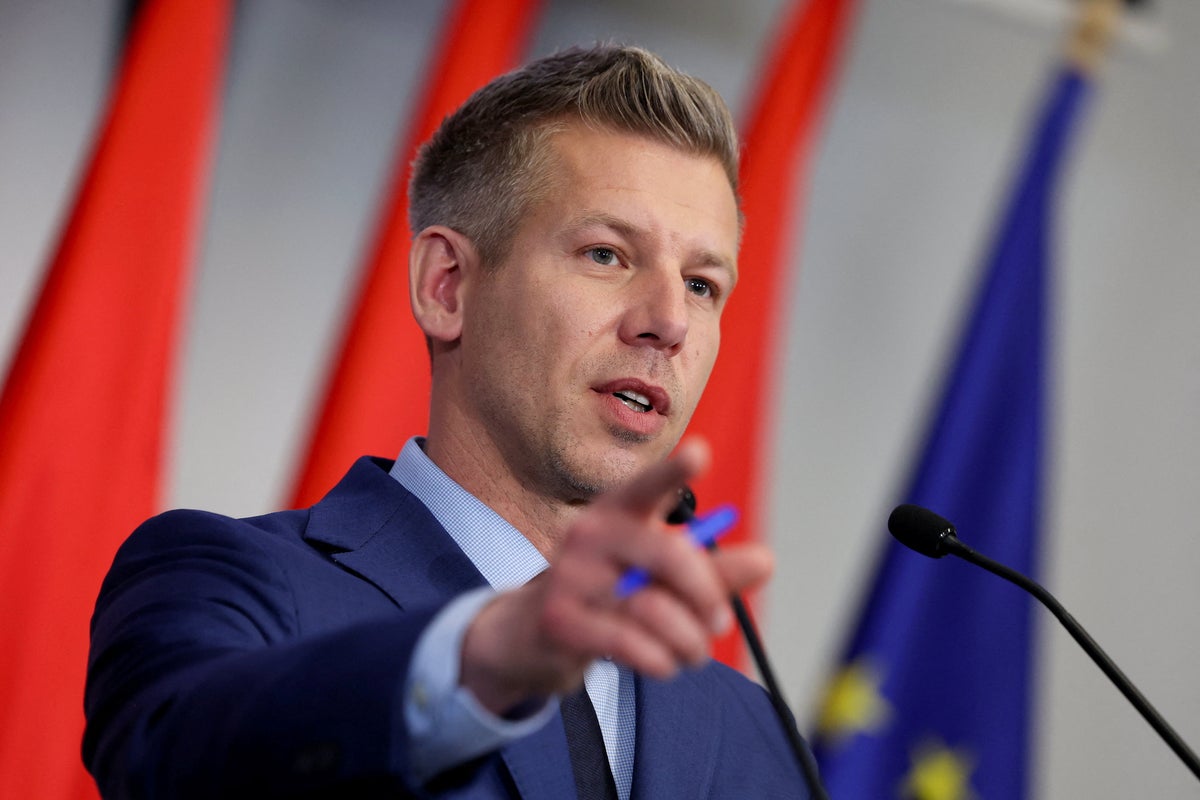
The era of Viktor Orbán’s "safe haven" for controversial world leaders is officially over. In a move that's sending shockwaves through diplomatic circles, Hungary’s Prime Minister-elect, Péter Magyar, just confirmed something that seemed impossible only a month ago. If Benjamin Netanyahu sets foot in Hungary, he’ll be taken into custody.
It’s a massive 180-degree turn for a country that has spent the last decade acting as Israel’s loudest defender in the European Union.
Magyar’s statement on April 20, 2026, isn't just tough talk. It’s a calculated legal pivot. He’s moving to block the previous government’s exit from the International Criminal Court (ICC) before the June 2 deadline. By keeping Hungary in the Rome Statute, Magyar is essentially handing his police force a pair of handcuffs with Netanyahu’s name on them.
The trap of the 1956 invitation
Here’s where it gets weird. Just last week, Magyar reportedly spoke with Netanyahu and invited him to Budapest for the 70th anniversary of the 1956 Hungarian Uprising this October.
You’d think an invitation from a head of state comes with a "no arrest" guarantee. Not this time. When reporters asked Magyar how he could invite a man and then threaten to jail him, his response was cold and clinical. He basically said he’s invited every world leader to the ceremony, but that doesn't mean the law doesn't apply to them.
"If someone is a member of the ICC and a person who is wanted enters our country, then they must be taken into custody," Magyar told the press. He didn't stutter. He didn't offer a loophole. He assumed, quite bluntly, that every head of government is capable of reading the law.
It’s a power move. By extending the invitation while publicly affirming the arrest warrant, Magyar is forcing Netanyahu to make a choice: skip a major European commemorative event or risk becoming the first sitting Western-allied leader to be hauled off to The Hague from EU soil.
Cleaning up the Orbán legacy
To understand why this is happening, you have to look at the wreckage of the Orbán administration. For years, Orbán used his veto power in Brussels to shield Netanyahu from sanctions and criticism. When the ICC issued warrants back in 2024 for alleged war crimes in Gaza, Orbán laughed them off. He even started the formal process to pull Hungary out of the ICC entirely to ensure Netanyahu could keep visiting without legal drama.
Magyar’s Tisza party won the April 12 election on a platform of "returning to Europe." That means playing by the rules of the clubs you belong to.
Magyar’s team did the math and realized they could halt the ICC withdrawal process before it finalized on June 2, 2026. By staying in, Hungary stays eligible for billions in EU funds that were frozen due to Orbán’s "illiberal" stunts. Arresting—or at least threatening to arrest—a fugitive from the ICC is the fastest way for Magyar to prove to Brussels that he’s serious about the rule of law.
Is this just a bluff
Politics is rarely about the law and usually about leverage. Honestly, it’s unlikely Netanyahu will actually test this. He’s already skipped visits to other ICC member states since the warrant was issued. But the change in tone from Budapest is the real story.
The "special relationship" between Hungary and the Likud party is dead.
By taking this stance, Magyar is doing three things at once:
- Signaling to the EU that Hungary is no longer a "rogue" state.
- Distancing himself from the Netanyahu-Orbán bromance.
- Asserting that international treaties matter more than personal political friendships.
It’s a high-stakes game. If Netanyahu does show up and Magyar doesn't arrest him, the new PM looks weak to the EU. If he does arrest him, he triggers a massive diplomatic crisis with Israel and its allies.
What this means for you
If you're following international law or just the chaos of Middle Eastern diplomacy, the takeaway is clear: the map of "safe" countries for those with ICC warrants is shrinking. Hungary was the last reliable hole in the European net. That hole just got patched.
For Netanyahu, the world just got a lot smaller. For Hungary, the path back to the EU's good graces just got a lot clearer.
If you’re planning on tracking how this develops, keep your eyes on the June 2 deadline. Once that date passes and Hungary officially stays in the ICC, the legal trap is set. After that, any travel plans Netanyahu has for Eastern Europe will likely be scrapped. The red carpet has been replaced by a warrant, and the new guy in Budapest isn't looking to make friends with fugitives.