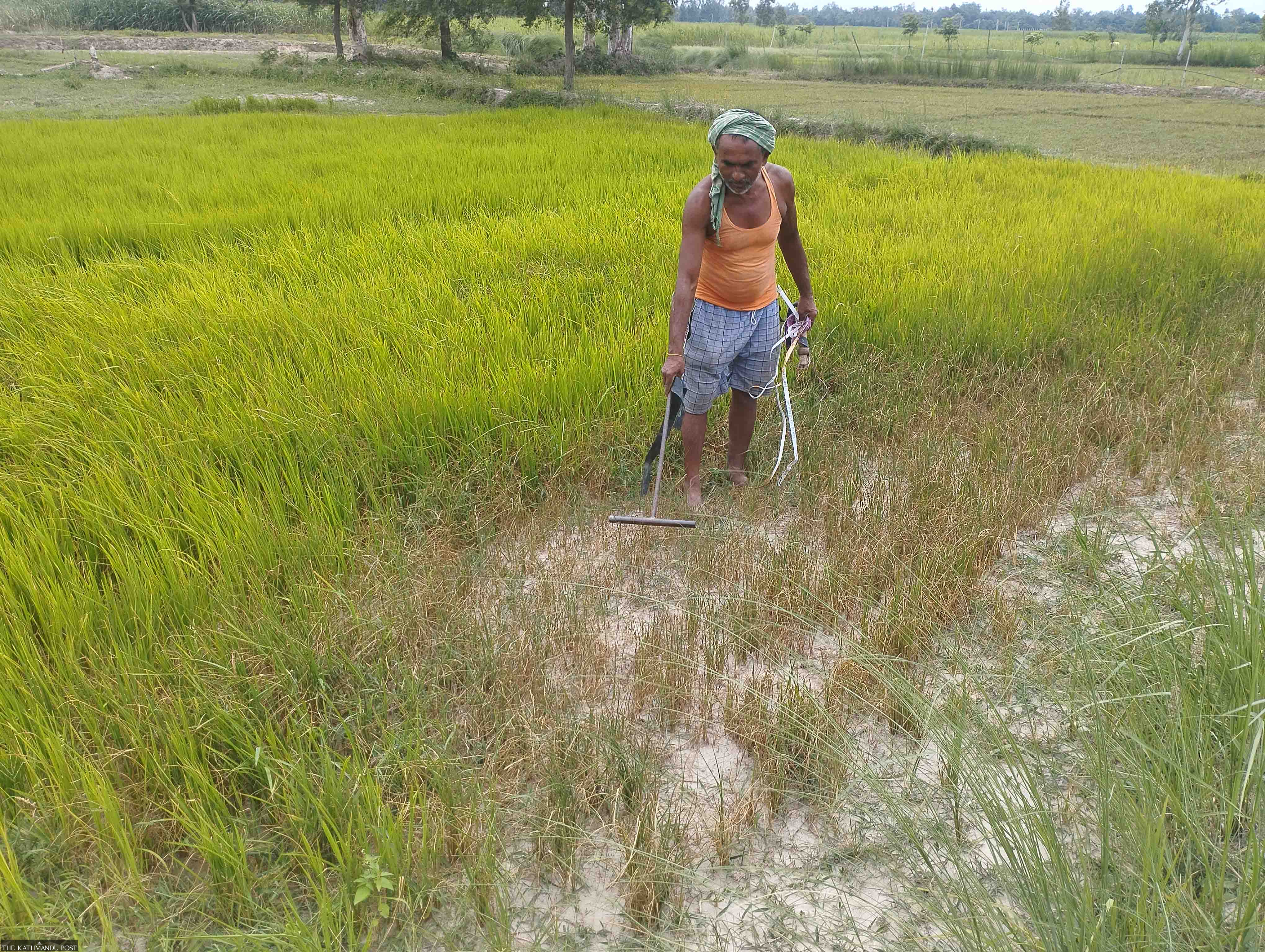
The feel-good narrative of the returning migrant worker is a seductive lie. We’ve all read the stories: a laborer spends a decade in the scorching heat of Qatar or the UAE, saves every dirham, and returns to Nepal with a heart full of patriotism and a pocket full of capital. They see a government "policy tweak," hear the siren song of "self-sufficiency," and decide to dump their life savings into a dairy farm or a vegetable tunnel in the Terai.
It makes for great PR. It makes for terrible business.
The current "invest in agriculture" craze isn't an economic revival; it is a systematic destruction of hard-earned migrant wealth. We are watching the most productive members of our society trade liquid foreign capital for illiquid, high-risk, and low-yield biological assets in a market that is structurally rigged against them.
The Subsidy Trap and the Illusion of Support
The loudest argument for this return-to-the-soil movement is that the government has finally made it "easy." Low-interest loans, duty-free tractor imports, and grants for cold storage are dangled like bait.
Here is the brutal reality: A subsidy is not a business model. If a farm requires a government handout to break even, it isn't a business; it’s a charity project funded by the owner's past trauma in the Middle East.
In my years analyzing capital flows in emerging markets, I’ve seen this script before. Government "tweaks" are often superficial band-aids on deep structural wounds. Nepal’s agricultural sector isn't failing because of a lack of interest; it’s failing because of fragmented land holdings, a complete lack of cold-chain logistics, and an open border with India that allows massive, subsidized industrial farms to crush local competition on price every single day.
When a returning migrant builds a dairy farm, they aren't just fighting the weather. They are fighting the Indian dairy giants who operate at a scale the average Nepali returnee cannot comprehend. Without $10,000,000 in infrastructure, you aren't a "competitor"—you are a casualty.
The Myth of the "Easy" Dairy Business
The competitor articles love to focus on dairy. It seems simple, right? Buy cows, sell milk, profit.
It’s a nightmare. Dairy is a high-volume, low-margin commodity game. In Nepal, the "Milk Holiday" phenomenon—where state-owned and private dairies simply refuse to buy milk from farmers because of oversupply or processing bottlenecks—is a recurring ghost.
Imagine spending five years in a Dubai construction site, living in a labor camp, only to come home and find that the 500 liters of milk your cows produced today has nowhere to go but the gutter. This isn't a "thought experiment." This is the documented reality for thousands of farmers every season.
The "nuance" the boosters miss is the Cost of Carry.
A cow costs money to feed whether she is producing or whether you have a buyer. In a country with a volatile electricity grid (which kills refrigeration) and a political culture prone to sudden strikes and road blockades, your "investment" is a ticking time bomb of spoilage.
Stop Treating Agriculture Like a Retirement Plan
We need to stop telling 40-year-old men that farming is a "safe" place for their savings.
Agriculture is one of the most complex, capital-intensive industries on the planet. It requires advanced knowledge of soil chemistry, veterinary science, supply chain management, and market hedging. Most returning migrants have spent a decade doing manual labor or service work. They are being encouraged to enter a hyper-specialized field with zero recent experience, purely based on nostalgia for a "simpler life."
There is nothing simple about a fungal outbreak that wipes out your entire tomato crop in 72 hours. There is nothing simple about the predatory middlemen—the "Mandi" brokers—who take a 40% cut while you take 100% of the risk.
The Real Cost of Misplaced Patriotism
The "invest at home" rhetoric preys on guilt. It suggests that if you don't put your money into a physical plot of Nepali dirt, you aren't "contributing" to the nation.
This is economic gaslighting.
By pushing migrants into failing agricultural models, the state is effectively burning the very capital that could have been used to build modern service industries, tech startups, or high-value manufacturing. We are taking the "blood money" of the diaspora and burying it in the mud.
If you want to help Nepal, don't buy a cow. Buy an index fund. Start a logistics company that actually solves the transport problem. Invest in the education of the next generation so they don't have to leave in the first place.
The Brutal Advice for the Returnee
If you are currently sitting in a dorm in Doha planning your "triumphant return" to start a farm, hear this:
- Rent, Don't Buy: If you absolutely must farm, do not sink your capital into land. Rent it. Keep your cash liquid. You will need it when the first disease hit or the first "Milk Holiday" happens.
- Ignore the "Grants": If a project only makes sense because of a government grant, walk away. Grants are political tools; they can be retracted, delayed, or eaten by corruption before they reach your bank account.
- The Middleman is Your Master: Before you plant a single seed or buy a single calf, find out who is going to buy the product. If you don't have a signed contract with a buyer, you aren't a farmer; you're a gambler.
- Value-Add or Die: Selling raw milk or raw vegetables is a race to the bottom. If you aren't processing—making cheese, drying herbs, packaging branded goods—you are at the mercy of the market's lowest price point.
The romanticized image of the "Returned Hero Farmer" is a mask for a failed economic strategy. We are asking our hardest workers to bail out a leaky boat with a thimble.
Stop romanticizing the struggle. Stop investing in the past. If the government wants agriculture to work, they should fix the roads and the power grid, not trick migrants into becoming the shock absorbers for a broken system.
Keep your money in the bank. The soil isn't calling you; the lobbyists are.