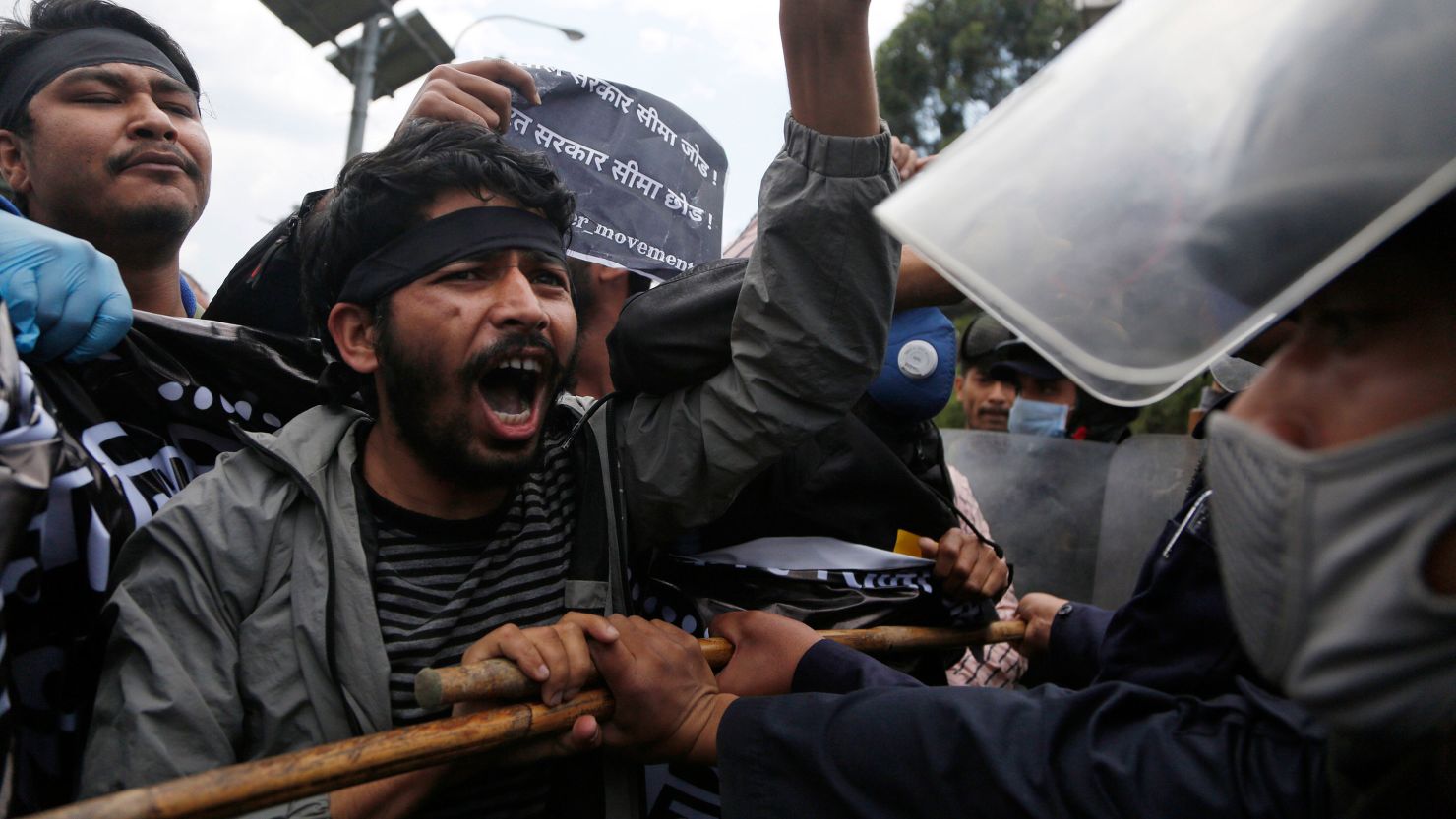
Nepal's renewed claim over the Lipulekh pass isn't just a sudden bureaucratic footnote. It's a deeply entrenched geopolitical dispute that refuses to fade away.
You've probably seen the headlines about border tensions between South Asian neighbors. The rhetoric often sounds highly technical. It's easy to get lost in the historical maps, the colonial treaties, and the diplomatic maneuvers. But at its core, this conflict boils down to national pride, strategic geography, and a fundamental disagreement over an ancient trade route in the Himalayas. If you liked this piece, you might want to check out: this related article.
Let's cut through the noise. We need to look at why Lipulekh matters so much to both Kathmandu and New Delhi.
The Core Dispute at Lipulekh
Lipulekh sits at a tri-junction between India, Nepal, and China. It's not just a mountain pass. It's a high-altitude gateway connecting the Indian state of Uttarakhand with the Tibet Autonomous Region of China. For another perspective on this story, check out the recent coverage from NPR.
Back in May 2020, India's Defence Minister inaugurated an 80-kilometer road passing through the Lipulekh area. This route was designed to cut down travel time for Hindu pilgrims heading to the sacred Mount Kailash and Lake Manasarovar.
Nepal immediately reacted. The government in Kathmandu claimed that the territory—specifically the Kalapani, Lipulekh, and Limpiyadhura region—belongs to Nepal under the 1816 Treaty of Sugauli.
Nepal's parliament even updated its official political map to include these territories. India rejected the move immediately. New Delhi maintains that the region lies within its side of the international boundary.
The disagreement stems from how you read the Kali River's source. Nepal argues the river originates from Limpiyadhura, northwest of Lipulekh. India claims the source is much closer to Kalapani. This single geographical difference creates a huge disparity in the territorial claims.
+----------------+--------------------------+----------------------------+
| Nation         | Claimed River Source     | Strategic Interpretation   |
+----------------+--------------------------+----------------------------+
| Nepal          | Limpiyadhura             | Territory belongs to Nepal |
+----------------+--------------------------+----------------------------+
| India          | Kalapani                 | Territory belongs to India |
+----------------+--------------------------+----------------------------+
Why Nepal is Pushing for Dialogue Today
Kathmandu isn't letting this issue drop. The push for dialogue remains highly visible in Nepal's foreign policy maneuvers.
Politicians across the spectrum view this territorial claim as a unifying issue. It transcends local partisan politics. When leaders address the nation, pressing New Delhi for diplomatic talks plays well with the domestic electorate. It projects strength.
There's also a significant economic dimension. Tourism and trade are massive factors for local Himalayan communities. Nepal fears that unilateral infrastructural developments will slowly erode its bargaining power and historical claims.
Furthermore, you can't ignore the broader regional context. China's growing footprint in the Himalayas forces Nepal to perform a difficult balancing act. Kathmandu wants to maintain excellent economic and strategic ties with both of its massive neighbors.
Allowing India to control the Lipulekh pass without question risks alienating nationalist sentiment at home. It also creates friction regarding Nepal's own northern trade routes.
The View from New Delhi
To understand why this deadlock persists, you have to look at the strategic value of the pass from India's perspective.
Lipulekh is a crucial chokepoint. It's one of the few viable military and trade routes crossing the Himalayas into Tibet. Given India's complex security environment along the Line of Actual Control with China, New Delhi treats the infrastructure in this sector with utmost importance.
The road inaugurated in 2020 allows the Indian military to move troops and logistical supplies rapidly toward the border. For India's security planners, yielding on this point or halting infrastructural development would mean giving up a critical defensive edge.
India's official stance is that the border alignment in the Kalapani region was settled long ago. New Delhi has expressed willingness to discuss all bilateral issues. However, it maintains that the preconditions set by Nepal must be addressed within the established diplomatic frameworks, rather than through unilateral cartographic expansion.
Moving Past the Stalemate
What happens next?
The reality of South Asian geopolitics is that neighboring states must find pragmatic ways to live next to each other. Border disputes rarely get resolved overnight through unilateral declarations.
Both nations need a structured diplomatic approach. The existing mechanisms, such as the India-Nepal Joint Commission, need to be used effectively.
If you're following the developments, watch how the foreign secretaries of both countries handle the border working groups. The immediate path forward involves taking a step back from maximalist public statements.
Both sides need to allow technical experts access to historical cartographic data. Reaching a temporary agreement to freeze contested construction while joint teams survey the actual river source would be a smart compromise.
Until the two governments sit down for genuine, quiet negotiations, the dispute will continue to simmer.
Keep an eye on upcoming parliamentary sessions in Kathmandu and the bilateral talks schedule in New Delhi. That's where real progress will show.


