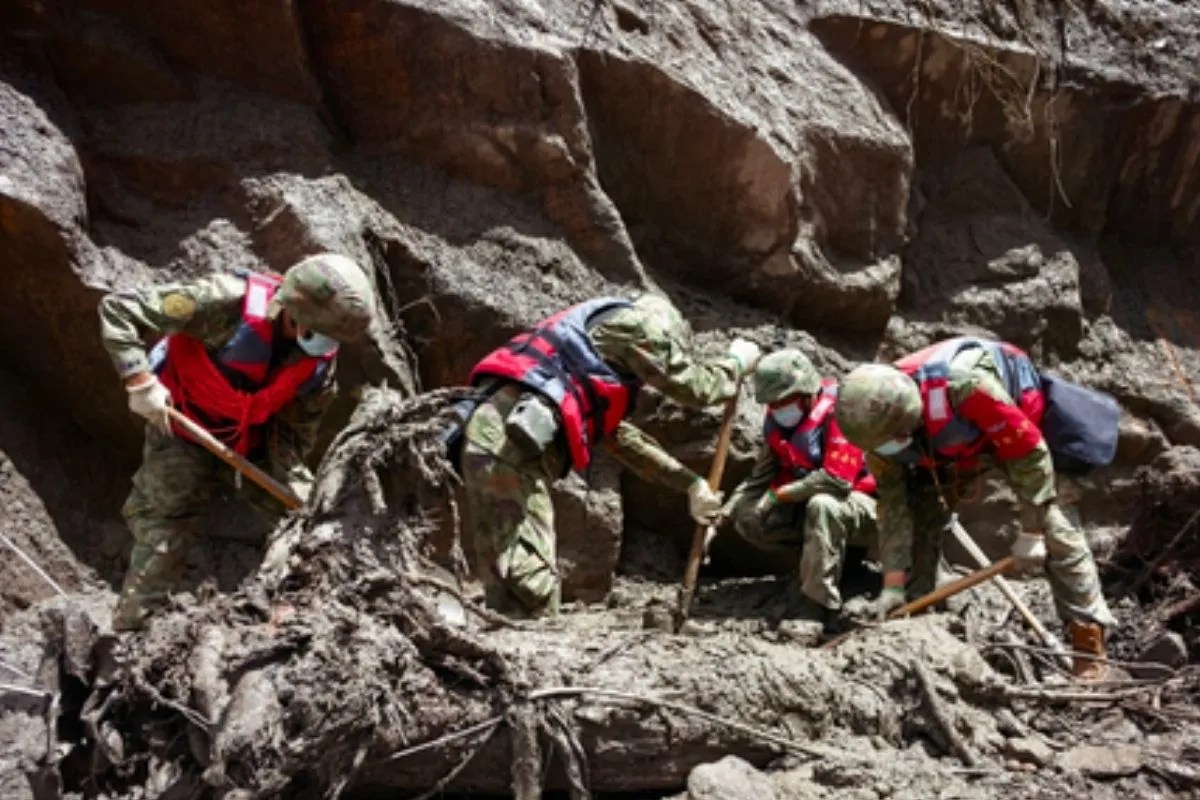
A sudden wall of water and debris changed everything in the Himalayas. When a high-altitude glacier collapsed, it triggered catastrophic flash floods that leveled entire border towns, wiped out roads, and severely damaged vital hydropower stations. Now, the financial reality is sinking in.
Nepal faces a rebuilding bill of at least $4 billion to $5 billion. Finance Minister Swarnim Wagle shared these early estimates, noting that the final price tag equals roughly one-tenth of the nation's entire economy. That is a staggering amount for a developing country trying to keep its head above water.
The Human Toll and Economic Shock
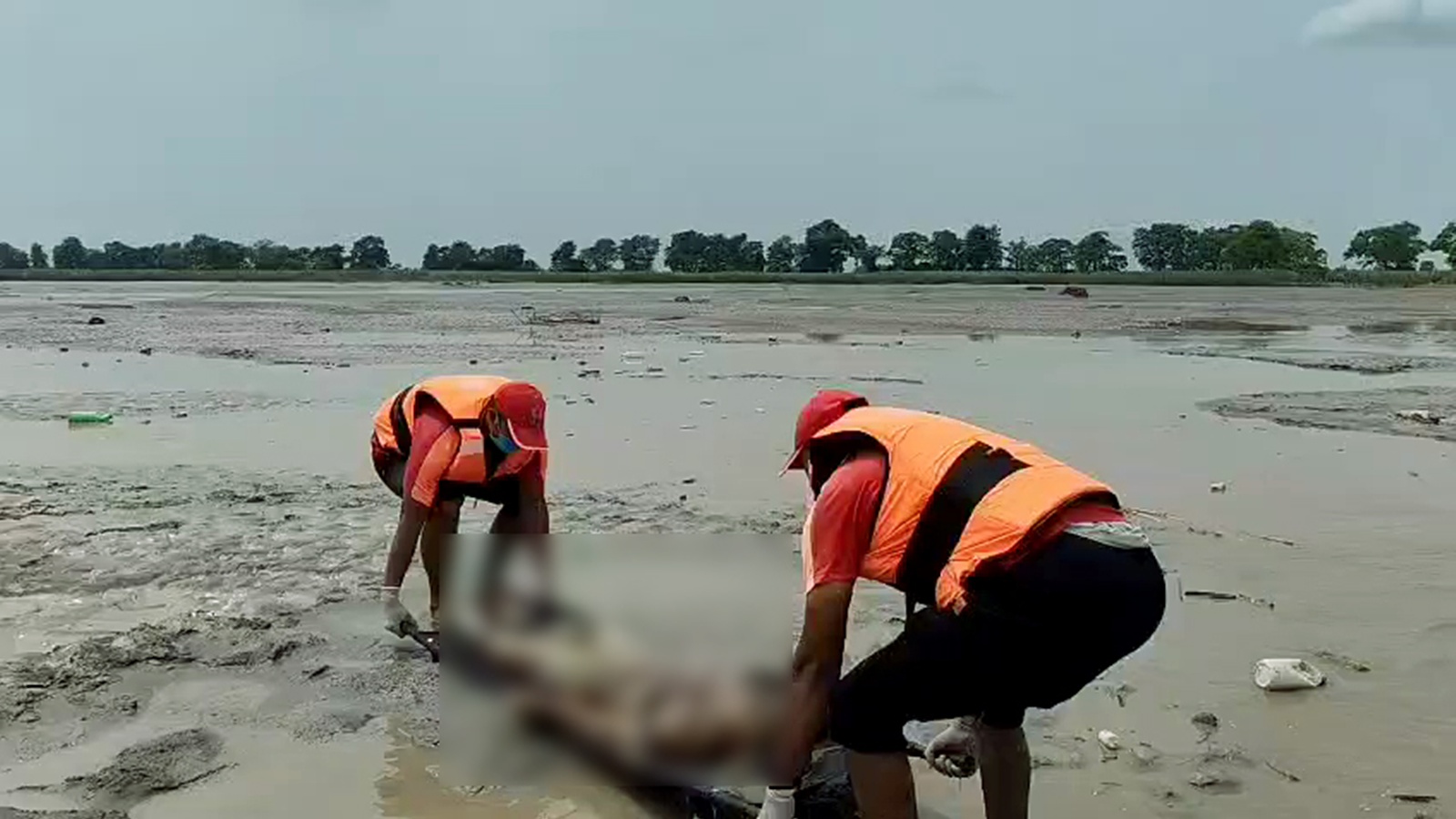
The disaster didn't just damage property. Over 600 people lost their lives across Nepal and neighboring Tibet, while more than 2,000 remain missing. Rescue operations have been grueling, complicated by blocked access routes and unpredictable weather.
Economically, the blow lands squarely on the country's most critical lifelines. Tourism, remittances, and hydropower drive Nepal's economic engine. With key power generation projects damaged—accounting for a substantial chunk of national capacity—the country faces long-term energy hurdles alongside immediate humanitarian needs.
Comparing Crises
People naturally look back at the 2015 earthquake when trying to measure this catastrophe. That magnitude-7.8 tremor was Nepal's darkest modern hour, killing nearly 9,000 people and racking up a $9 billion reconstruction bill.
Finance Minister Wagle noted that the current flood recovery will likely cost less than the 2015 earthquake aftermath. Even so, needing up to $5 billion when your economy is already stretched thin creates an immense fiscal crisis.
Where the Money Goes
Rebuilding won't be quick or cheap. The funds must clear a massive backlog of destruction:
- Replacing washed-out bridges and rebuilding fractured mountain highways.
- Repairing damaged hydropower stations to restore national grid stability.
- Reconstructing leveled border towns and residential areas.
- Funding specialized recovery efforts, including foreign technical assistance for tunnel rescues and DNA identification.
International aid has started trickling in, with regional partners like India dispatching flights loaded with relief materials, medicines, and water purifiers. Still, international donors will need to step up significantly to bridge the multi-billion-dollar gap.
Getting Nepal back on its feet requires immediate, coordinated financial backing from global institutions and foreign allies before secondary economic failures compound the tragedy.