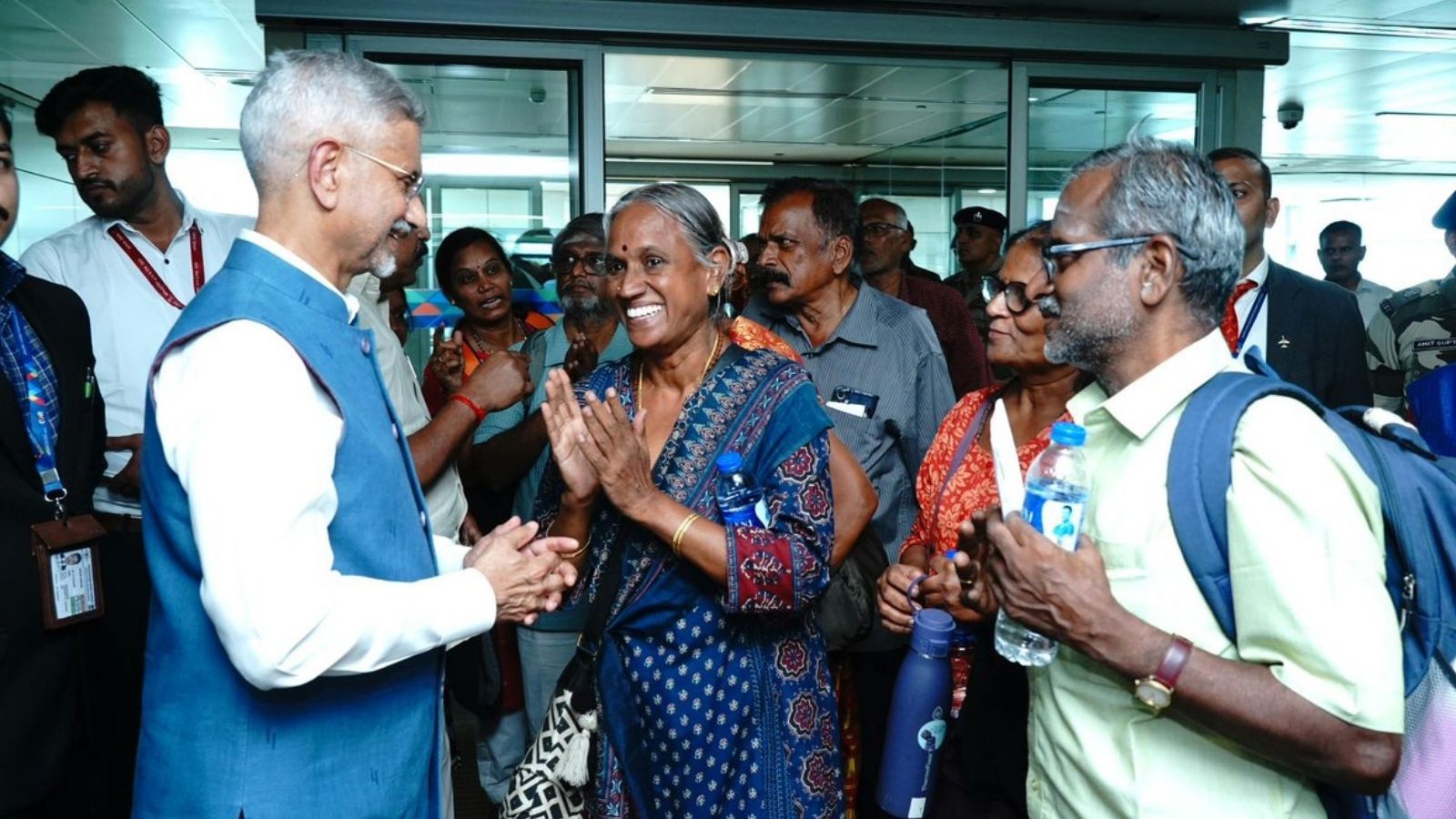
When entire neighborhoods vanish under thick blankets of mud and raging water, grief stops a country in its tracks. That is exactly what happened when Nepal paused to observe a national day of mourning for the victims of the catastrophic flash flood disaster. Flags flew at half-mast, government offices went quiet, and families across the nation sat with heavy hearts. But symbols alone do not rebuild homes or bring back lost loved ones.
The immediate tragedy captured global headlines. Yet the deeper story lies in why these disasters keep happening with such terrifying frequency and what local communities are doing to survive when government response stalls. Expanding on this topic, you can find more in: Inside the Berlin Political Firewall Collapse That Just Handed History to the Far Right.
Understanding the Scale of Destruction
Monsoon rains in South Asia are nothing new. People who live along the Himalayan foothills expect heavy downpours every single year. But the intensity of these recent flash floods caught everyone off guard. Unprecedented rainfall volumes turned dry riverbeds into violent torrents within minutes. Bridges collapsed like matchsticks, national highways washed away, and whole villages woke up completely cut off from the outside world. Experts at NPR have provided expertise on this situation.
Emergency responders faced impossible conditions. Landslides blocked critical access routes, leaving rescue helicopters grounded while stranded survivors waited on rooftops. When the water finally receded, the true human and economic toll began to surface. Hundreds of lives lost, thousands displaced, and generations of hard-earned livelihoods swept downstream in a matter of hours.
Why Infrastructure Fails When It Matters Most
You cannot talk about Nepal's flood crisis without addressing systemic vulnerability. Rapid and often unregulated urbanization has choked natural drainage systems. Concrete structures now stand where floodplains used to absorb excess water. When extreme weather hits, the water has nowhere safe to go.
Add shifting climate patterns into the mix, and the traditional knowledge elders relied on for generations stops working. Weather forecasting models need massive upgrades to provide early warnings that actually reach remote mountain communities before the rivers break their banks. Right now, communication lines often fail during the worst storms, leaving isolated towns completely blind to incoming danger.
Community Resilience on the Ground
While official relief packages take time to navigate bureaucratic hurdles, ordinary citizens step into the void immediately. Neighbors share food supplies, youth groups organize cleanup drives, and local volunteers dig through mud with bare hands to rescue trapped families. This grassroots solidarity remains the true backbone of disaster response in rural Nepal.
International aid organizations also rush supplies into the country, but distribution is a logistical nightmare. Getting clean drinking water, medical kits, and temporary shelter materials up winding mountain tracks requires coordination that stretches local resources to the breaking point. Waterborne diseases always pose a massive secondary threat once the floodwaters settle, making sanitation management just as urgent as search-and-rescue operations.
Moving Beyond Temporary Grief
Declaring a national day of mourning shows collective empathy. It honors the victims and gives a grieving nation space to breathe. But true accountability requires long-term action. Infrastructure planning must shift away from quick cosmetic fixes toward genuine climate adaptation. Watershed management, strict zoning laws along riverbanks, and robust early-warning systems are non-negotiable investments if future tragedies are to be prevented.
Communities that have lost everything deserve more than sympathy and financial handouts after the fact. They need resilient shelters, fortified roads, and reliable safety nets that stand strong when the next monsoon season rolls around.