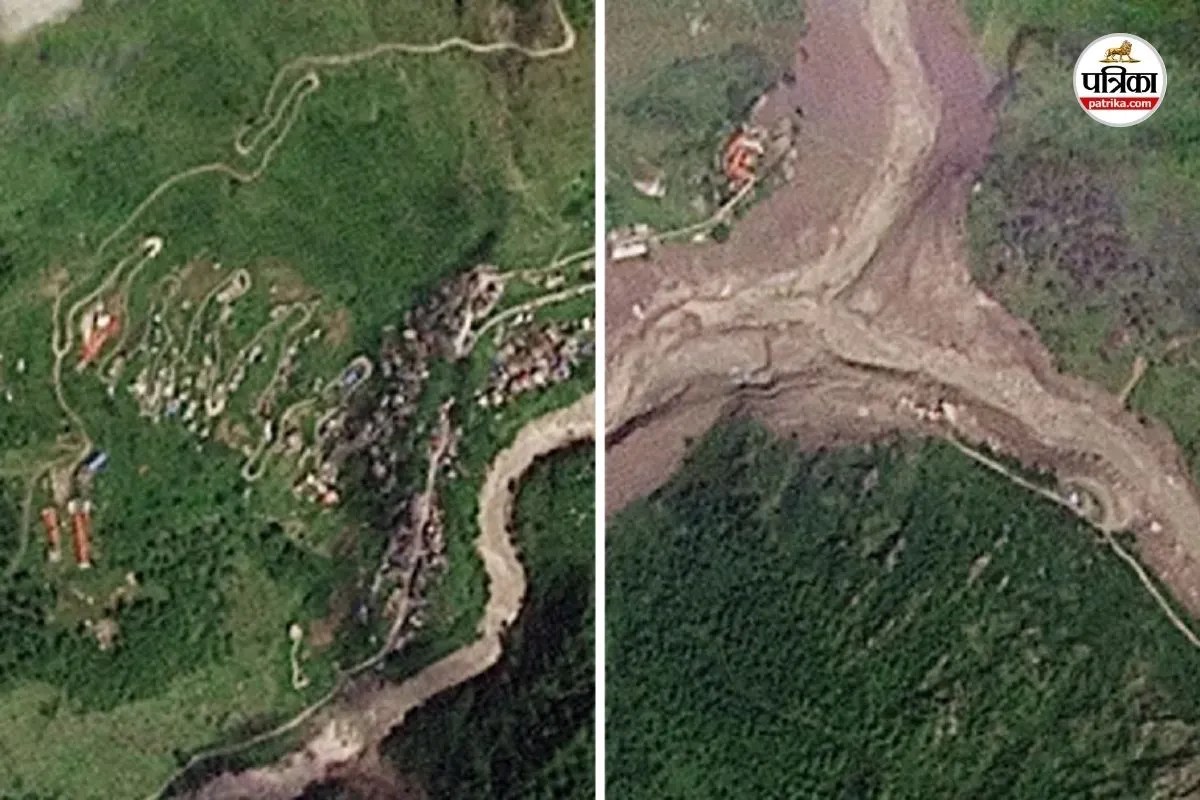
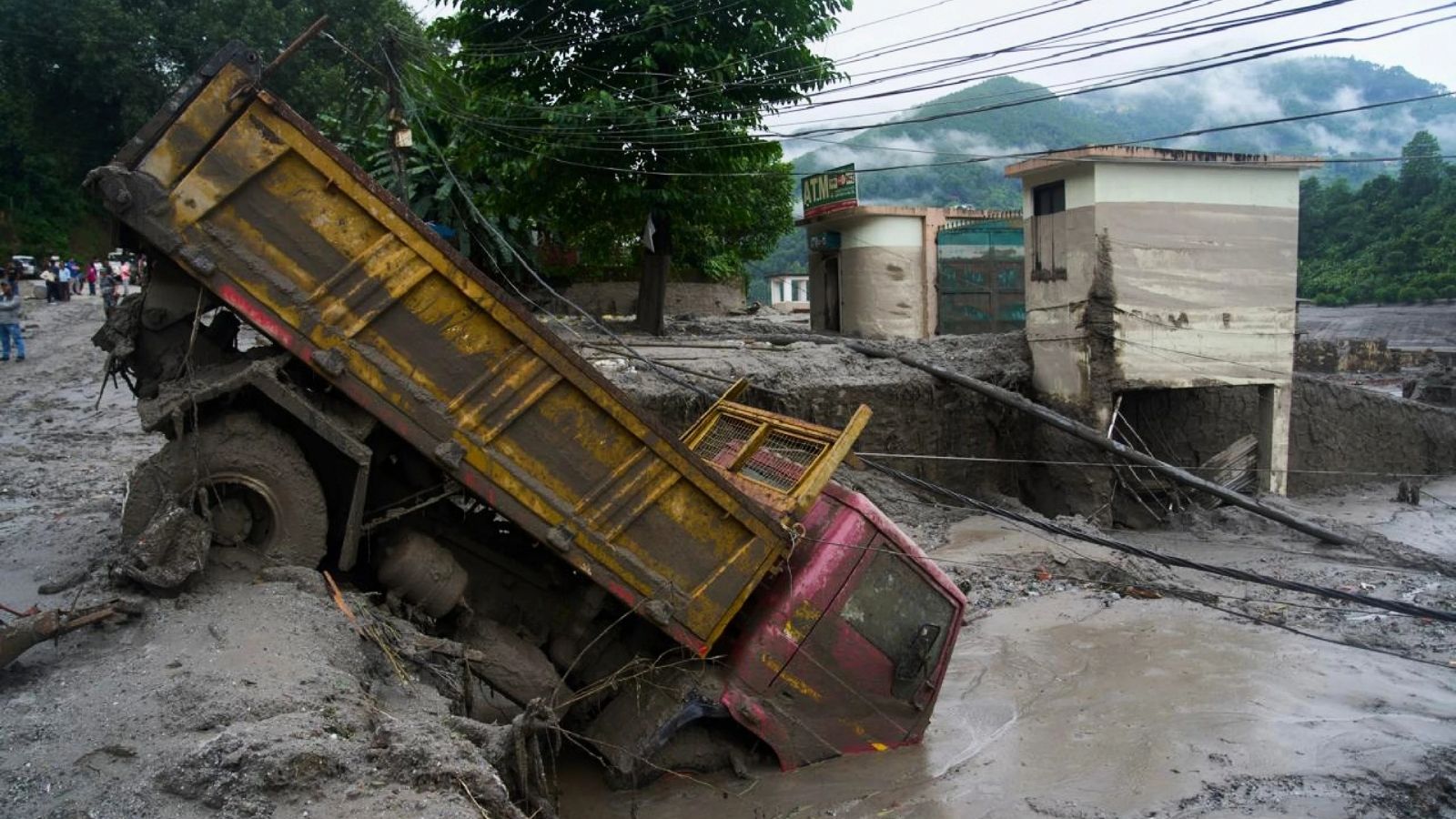
A sudden wall of mud, ice, and roaring water tore through the Himalayan borderlands between Nepal and China, leaving hundreds dead and over 1,400 people unaccounted for. This wasn't just a standard seasonal overflow. Satellites and local reports confirmed that a massive section of bedrock beneath a high-altitude glacier collapsed in Tibet, triggering a seismic-level rockfall that sent a torrent down the Bhote Koshi and Lhende river valleys. The water moved too fast for early warnings to matter. Entire villages like Timure were flattened in seconds, leaving survivors to describe the sound and fury as an earthquake or a localized tsunami.
What makes this disaster uniquely international is the demographic of those caught in its path. Tourists, trekkers, and pilgrims from over 30 countries were scattered across the border zone, drawn by remote mountain trails or sacred sites like Mount Kailash. When the flash flood hit, it obliterated nearly 25 miles of roads and dozens of bridges on the Nepalese side alone, cutting off rescue access and trapping workers inside major infrastructure projects like the Upper Trishuli-1 Hydropower plant. For an alternative view, read: this related article.
The Global Impact on Missing Nationals
Governments worldwide are scrambling to locate citizens who were traveling or working in the Himalayas. The scope of the missing persons list spans continents, reflecting how globalized adventure tourism and regional labor markets have become in high-altitude zones.
- India: Hundreds of nationals remain uncontactable, including tourists visiting sacred pilgrimage routes and personnel working on local engineering projects.
- United States and Europe: Dozens of citizens from the US, UK, Canada, Australia, Ukraine, and EU nations are listed as missing by local tourism boards and foreign ministries.
- Asia-Pacific: Nationals from Malaysia, South Korea, Singapore, Japan, and New Zealand who were working on infrastructure builds or trekking are among the unaccounted.
China's Ministry of Foreign Affairs and state media reported hundreds missing on the Tibet side of the border near Gyirong Port, a significant portion of whom are foreign nationals caught at customs checkpoints or tour hubs. Related coverage regarding this has been published by TIME.
Why Himalayan Floods Are Growing More Extreme
High-mountain Asia is warming at rates well above the global average. Scientists point out that glaciers and permafrost in the Tibetan Plateau are increasingly unstable. When rising temperatures thaw internal ice structures or heavy localized weather hits, bedrock loses its structural integrity.
Last year, a similar glacial overflow caused localized damage, but the scale of this recent event caught authorities flat-footed. The combination of a high-altitude rock collapse and narrow river gorges creates a hydraulic pressure cooker. Water volume multiplies exponentially over a very short distance, destroying concrete structures as if they were made of matchsticks.
Ongoing Rescue Challenges and Secondary Threats
Search and rescue operations face brutal conditions on the ground. Military and civilian crews have airlifted thousands of survivors, but heavy mud blankets entire valley floors, hiding the entry points of tunnels and burying roads under meters of debris. Rescuers are racing against time while dealing with severe logistical blocks.
To complicate matters further, authorities have issued high-level alerts regarding unstable barrier lakes formed by the initial debris blockages. If these natural dams fail upstream, secondary waves could wash through areas where recovery teams are currently operating.
If you are trying to locate family members or friends who were traveling in the Rasuwa district of Nepal or the Gyirong region of Tibet, check updates directly through your country's consular office or embassy emergency hotlines, as local lists are updating dynamically alongside military rescue missions.