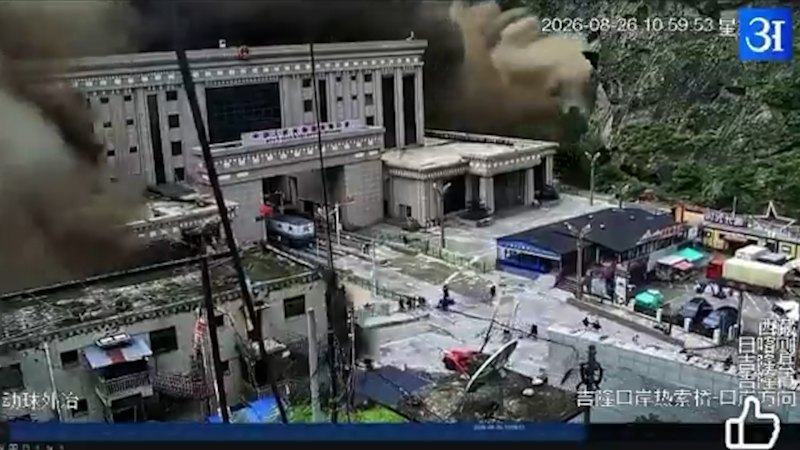
A thundering wall of water, mud, and debris tore through the Himalayan border region between Nepal and Tibet, instantly sweeping away villages, bridges, and hydropower projects. Right now, thirty-four Australians are among hundreds of international tourists unaccounted for following the disaster. Prime Minister Anthony Albanese confirmed that federal officials are urgently working alongside local authorities and tour operators to verify the safety and welfare of citizens caught in the zone.
Understanding the Scale of the Himalayan Crisis
The disaster unfolded rapidly along the rugged northern border districts of Nepal, catching trekkers and pilgrims off guard. According to the Nepal Tourism Board, more than 400 people are listed as missing, a striking portion of whom are foreign nationals from countries including Australia, the United States, Britain, and Canada. Many of these travelers were following traditional pilgrimage and trekking routes toward sacred sites like Mount Kailash during the festival season.
Search and rescue operations face brutal challenges on the ground. The geography of the region features deep valleys and narrow gorges, which complicate communication and logistics. Prime Minister Albanese noted that because Nepal is a developing nation, resources are stretched thin compared to what a similar crisis response might look like in Australia. Helicopters struggle to land in hard-hit areas such as Syapru Besi and Timure due to continuous debris and treacherous weather conditions.
What Travelers Must Know About Himalayan Weather Risks
If you plan to trek or travel through high-altitude regions in South Asia, you need to understand how quickly microclimates and environmental hazards can turn fatal. Monsoon seasons and glacial shifts do not always follow predictable patterns. A perceived dry window can vanish in seconds when a landslide or upstream blockage lets go.
- Communication blackouts happen instantly: Mountain gorges lack reliable cellular networks. When disaster strikes, you cannot count on sending a quick message out.
- Infrastructure is fragile: Flash floods routinely wipe out roads and bridges, isolating entire valleys before rescue teams can even mobilize.
- Local authority guidance is paramount: If police or regional officials tell you to stay away from riverbanks like the Trishuli or Bhotekoshi, listen immediately.
Immediate Actions and Consular Support
If you have family members traveling in Nepal or Tibet right now, waiting for news is agonizing. The Department of Foreign Affairs and Trade urges anyone with immediate concerns to utilize official emergency channels rather than relying on unverified social media reports.
Australians needing urgent help can contact the 24-hour Consular Emergency Centre from overseas at +61 2 6261 3305 or call 1300 555 135 within Australia. Stay tuned to official government travel advisories as the situation on the ground develops.