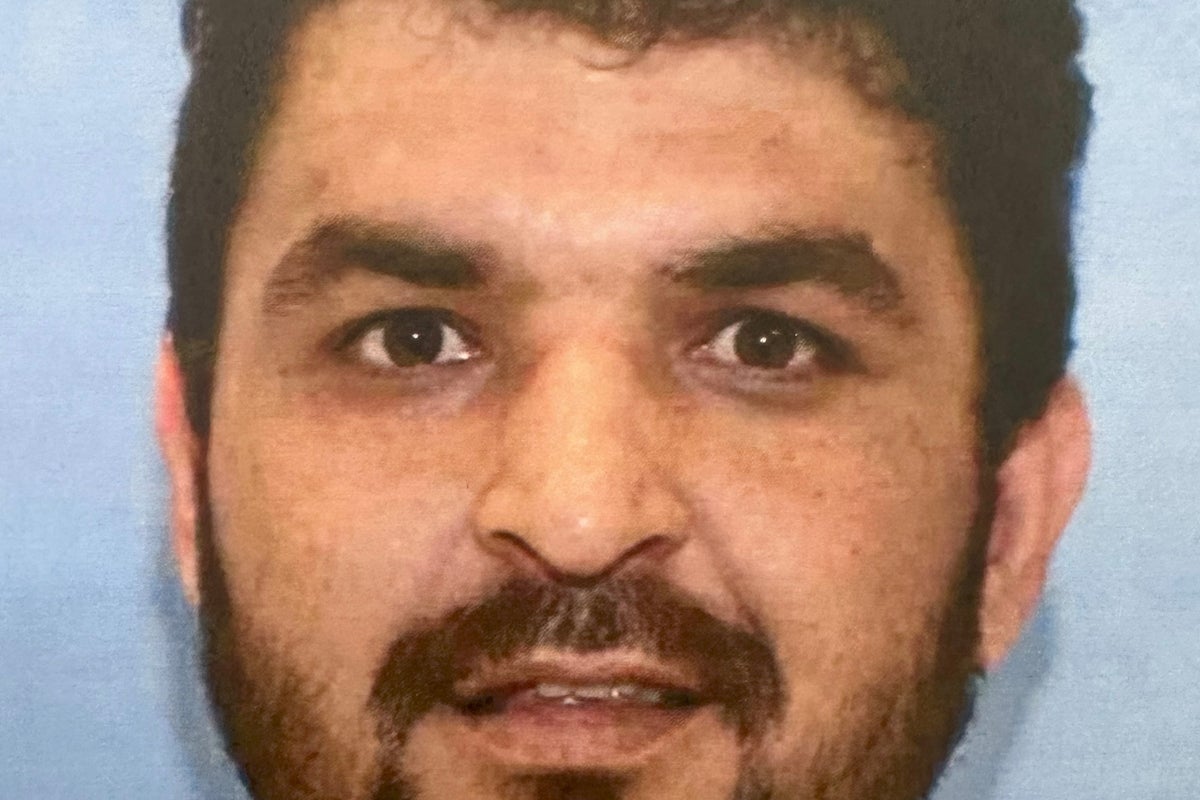
The hospitalization of a suspect accused of ambushing and shooting National Guard members following a prolonged hunger strike exposes severe, systemic vulnerabilities within the modern correctional and judicial frameworks. When an individual accused of targeting military personnel on domestic soil successfully forces a medical crisis while in state custody, it points to a breakdown in protocol. Security operations failed to manage the prisoner's self-destructive behavior before it required emergency intervention. This situation directly disrupts the timeline of a high-stakes federal investigation, complicating the legal process and revealing deep flaws in how high-risk detainees are monitored.
The incident underscores a growing crisis in high-profile detainee management. Prison administrators routinely find themselves caught between rigorous security mandates and the complex ethical realities of medical intervention. When a suspect weaponizes their own health, the state often reacts too slowly, paralyzed by bureaucratic red tape and legal liabilities.
The Logistics of a High-Security Failure
Managing a high-risk inmate requires constant vigilance. A suspect facing charges for a targeted attack on uniform-wearing service members is inherently a maximum-security asset. They are isolated, heavily monitored, and subject to strict operational guidelines. Yet, a hunger strike introduces a variable that standard physical security measures are poorly equipped to handle.
Prison staff monitor caloric intake through meal refusal logs. When a high-profile inmate rejects meals, a countdown begins. Medical personnel must conduct daily vitals checks, psychological evaluations, and blood chemistry panels. Despite these protocols, the suspect managed to deteriorate to the point of hospitalization. This progression indicates a failure of early intervention strategies. It suggests that administrative paralysis or a lack of specialized psychiatric resources allowed a predictable medical emergency to manifest.
The tactical reality is that a hospital transfer introduces immense vulnerability. Moving a high-value, potentially volatile suspect from a controlled correctional facility to a civilian medical center requires massive resource diversion. It demands a multi-agency security detail, secure transport vehicles, and the locking down of civilian hospital wings. The suspect effectively altered their environment, forced a redistribution of law enforcement assets, and delayed their own arraignment. They achieved this simply by refusing standard rations.
The Legal and Ethical Standoff of Force-Feeding
The administration of involuntary medical care remains one of the most fraught battlegrounds in correctional law. Bureaucrats and civil rights attorneys frequently clash over the exact moment a facility can legally intervene to keep an inmate alive.
Federal courts have historically granted prison officials the authority to force-feed inmates, provided the intervention maintains institutional security and order. However, obtaining a federal court order for involuntary feeding or hydration is an arduous legal process. It requires clear evidence that the inmate is incompetent to make rational decisions or that their death would cause a severe disruption to the facility. This legal friction creates a dangerous window of time. While lawyers argue over paperwork, the inmate's organs begin to fail.
- The Inmate's Leverage: In high-profile cases, the hunger strike is rarely just about self-destruction. It is an exercise of control by an individual who has otherwise lost all autonomy. By forcing the state to decide between letting them die or violating their bodily autonomy through force-feeding, the suspect shifts the narrative from their alleged crimes to the state's treatment of them.
- The Administrative Dread: Corrections departments dread the optics of force-feeding. The procedure is physically brutal, requiring restraints, nasal tubes, and a high risk of medical complications like aspiration pneumonia. Because of this, administrators often delay the request for a court order, hoping the inmate will break their strike voluntarily. This delay is precisely how a suspect reaches critical hospitalization.
Weaponizing the System to Delay Justice
The immediate fallout of this hospitalization is the indefinite pausing of the judicial process. A suspect who is physically incapacitated cannot be easily arraigned, cannot meaningfully participate in their defense, and cannot stand trial.
This delay serves a distinct tactical purpose for the defense. As months pass, witnesses move, memories fade, and the intense public scrutiny surrounding an attack on National Guard members diminishes. The tactical momentum shifts away from the prosecution. Investigators are left holding a compelling case file while the main actor remains in a medically induced holding pattern.
Furthermore, the financial burden on local and federal taxpayers escalates exponentially during a civilian hospital stay. A single high-security inmate in a private medical room requires 24-hour armed coverage, often pulling deputies and federal marshals away from active field investigations. The system is forced to subsidize a medical crisis created entirely by the individual who attacked its own defenders.
Moving Past Reactive Correctional Medicine
The current playbook for handling hunger strikes in high-security environments is fundamentally reactive. It relies on waiting for the inmate to reach a point of imminent death before acting decisively. To prevent high-profile suspects from hijacking the legal process, custody models must evolve.
A more effective framework requires the immediate, mandatory transfer of any high-risk hunger striker to a secure, inpatient forensic psychiatric unit within the federal bureau of prisons system at the first sign of sustained meal refusal. Civilian hospitals are entirely unequipped to act as long-term holding facilities for domestic terrorists or violent extremists. By keeping these individuals within specialized military or federal medical custody from day one, the state eliminates the security risks of civilian transport. It also bypasses the local judicial bottlenecks that allow these standoffs to drag on.
The ambush of National Guard members was a direct assault on the state. The subsequent breakdown in custody that allowed the primary suspect to starve themselves into an emergency room is a secondary failure that cannot be ignored. Until correctional facilities treat self-harm and hunger strikes by high-value targets as active security breaches rather than simple medical anomalies, high-profile defendants will continue to use the system's own rules to escape its grip.