Salt crusts the eyelashes. The heat off the Persian Gulf does not merely warm the skin; it presses down like a hot wool blanket soaked in brine, stealing breath before it can fill the lungs. Out on the water, the horizon blurs into a pale, blinding glare, erasing the line where the sea ends and the sky begins.
For the men who pilot the massive steel leviathans—supertankers hauling millions of barrels of crude oil past the jagged shores of Iran—this stretch of water is not a shipping lane. It is a choke point. It is a razor's edge. Building on this theme, you can also read: Why Every Narrative About That Knesset Stunt Gets the Real Power Dynamic Completely Backward.
Look at the map. The Strait of Hormuz narrows to just twenty-one miles at its tightest point. Through that watery bottleneck flows a fifth of the petroleum consumed on the planet. Every captain passing through knows the arithmetic of vulnerability. You are sailing down a corridor where both sides watch your every move through binoculars, radar screens, and the crosshairs of coastal missile batteries.
Now, add a new variable to that claustrophobic equation. Analysts at Reuters have shared their thoughts on this situation.
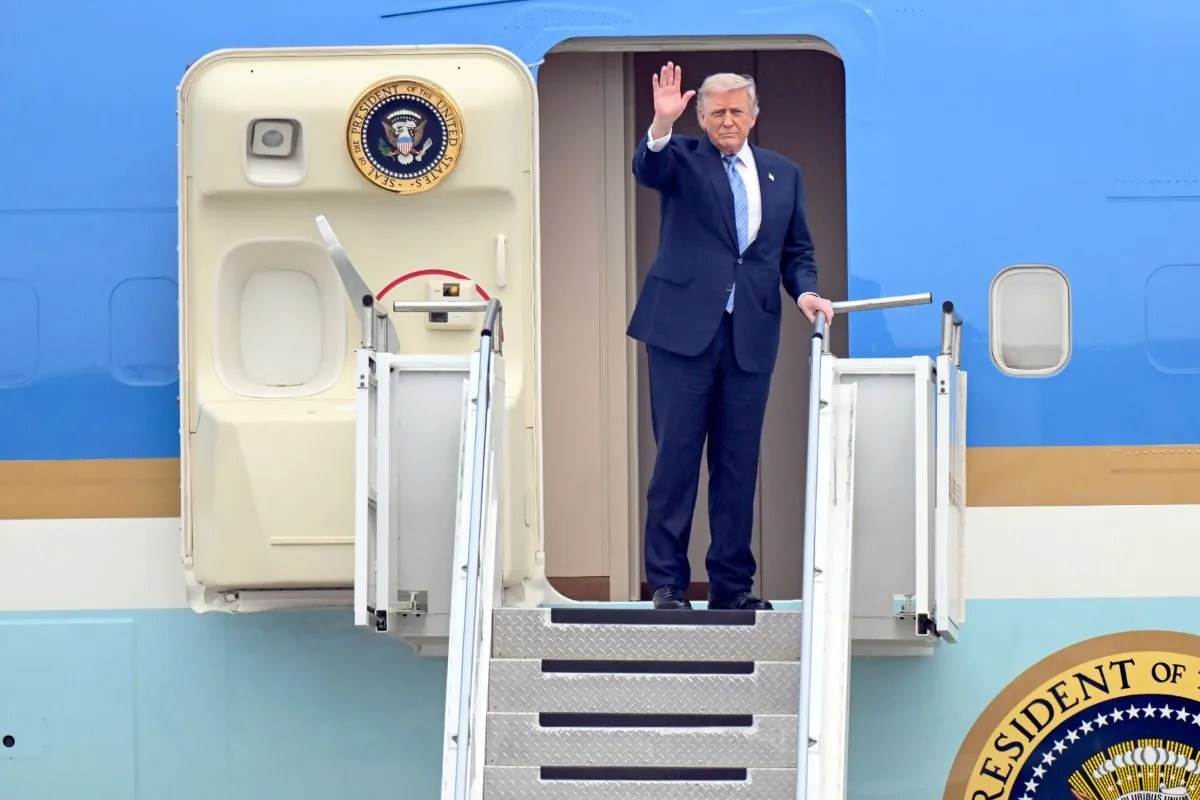
Donald Trump has drawn a line in the sand, and the ink is burning. The message is blunt, stripped of diplomatic varnish. The United States has made it clear that all naval maneuvers and underlying tensions have reached a boiling point, culminating in a stark warning regarding the waters of the Gulf. If new sea mines are planted in the Hormuz shipping lanes, the response will be instantaneous and absolute. Ships laying them, vessels escorting them, and the infrastructure supporting them will be obliterated.
Dead silence follows an ultimatum like that.
Imagine standing on the bridge of a container ship right now. (This is a hypothetical scenario to ground the dread, though the geopolitical reality is carved in stone.) The sun is sinking, turning the water the color of hammered copper. The radar hums. The third mate wipes sweat from his forehead, staring at a cluster of blips on the screen. Are they fishing boats? Are they speedboats from the Islamic Revolutionary Guard Corps? Or is it something darker, bobbing just beneath the surface, waiting to shear the hull of a tanker in half?
Mines are the cowards of naval warfare. They do not wear uniforms. They do not negotiate. They wait in the dark, tethered to the seabed, bobbing silently with the tide until a propeller brush or a magnetic signature triggers the detonation. A single explosive sphere can paralyze global markets in a microsecond. Insurance rates for cargo vessels spike. Oil futures leap by double-digit percentages. Gas stations half a world away adjust their prices before the smoke even clears over the Gulf.
We have seen this script before. History is littered with the wrecks of tankers caught in the crossfire of regional vendettas. The Tanker War of the 1980s turned these exact waters into a graveyard of burning steel and spilled oil. Back then, navies had to escort merchant vessels one by one, sweeping for hidden ordnance with primitive gear while crews prayed for safe passage.
The threat of a modern recurrence is not just a military talking point. It is a financial dagger held against the throat of the global economy.
When the White House issues a warning that any new mines will be met with immediate destruction, it is an attempt to deter a low-cost, high-impact tactic. Iran knows it cannot win a conventional naval war against the United States fleet. The technological disparity is too vast. But asymmetric warfare doesn't require winning a battle; it requires inflicting chaos. Laying mines under cover of darkness is cheap, deniable, and terrifyingly effective.
By drawing a hard red line, the administration is trying to rewrite the calculus of provocation. The message is simple. The cost of planting a mine is no longer just a minor diplomatic incident or a localized skirmish. The cost is total annihilation.
Yet, deterrence is a delicate, fragile thing. It relies entirely on the other side believing you will pull the trigger.
Consider what happens next in the quiet command centers of Tehran and Washington. Intelligence officers pore over satellite imagery, tracking the movement of small craft near the coast. Analysts measure the rhetoric coming from state television against the quiet positioning of carrier strike groups offshore. Every speech is parsed for weakness. Every troop movement is counted as a sign of intent.
It is a game of high-stakes chicken played by men who may never smell the salt air or hear the groan of twisted steel.
The danger is never the loud explosions. The danger is the quiet miscalculation. A nervous sailor on a patrol boat twitching on a trigger. A radar operator misidentifying a commercial trawler as a hostile threat. A politician painting themselves into a corner with public threats until backing down becomes politically fatal.
Back on the bridge of that tanker, the night has settled completely. The water is ink-black now, reflecting the cold, indifferent light of the stars. The ship moves forward, cutting a white scar through the dark surface, carrying fuel that powers cities thousands of miles away. The crew tries not to look too closely at the water. They check the navigational charts, adjust their course by a fraction of a degree, and pray that the line drawn in Washington holds firm against the tide.
The horizon remains silent. For now.