A quiet airport tarmac in southern Iraq almost became a geopolitical flashpoint. When Washington tightened aviation sanctions on Iran in late September 2026, direct flights between Iran and Iraq's Najaf ground to a halt. Then came the US sanctions waiver.
Basically, Washington carved out a narrow exception to let flights between Iran and Najaf keep operating under strict limits. That decision matters because it shows where US pressure stops—and how hard Baghdad had to push to keep a vital religious and economic lifeline open.
How the Flight Ban Started Before Anyone Officially Called It One
Honestly, the shutdown didn't start with a formal Iraqi ban on September 25, 2026. It started with fear.
US sanctions targeting Iranian aviation activities put ground-handling companies and foreign firms in a bind. If you service an aircraft tied to a sanctioned carrier, you risk US Treasury penalties. So ground handlers stepped back, regional carriers elsewhere pulled back, and flights between Iran and Najaf stalled for roughly a week.
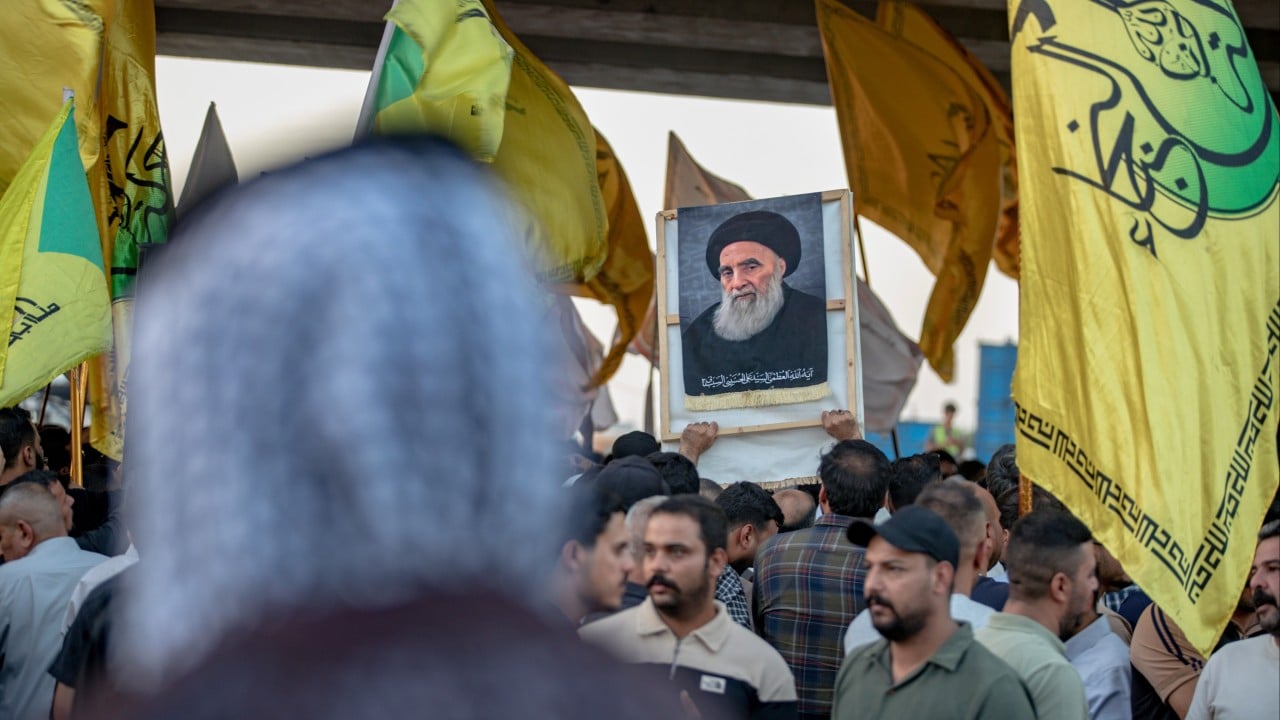
Before that disruption, around 40 Iranian flights a day used the route. Suddenly, planes weren't turning around at Al Ashraf International Airport in Najaf. Protesters gathered outside the airport on September 28 as frustration boiled over in the city.
People often assume sanctions work like a light switch. Flip it on, and traffic stops by decree. In practice, secondary sanctions work like a chill in the room. Ground crews, fuel suppliers, and booking agents don't wait for a courtroom ruling; they halt operations to protect their own accounts and licenses.
What the Sanctions Waiver Actually Covers
Baghdad moved fast to fix the freeze. Iraqi Foreign Minister Fuad Hussein met with US Treasury Secretary Scott Bessent to press for relief, while Iraqi officials offered screening safeguards, information sharing, and assurances against weapons transfers, sanctioned individuals, or illicit cash.
The resulting arrangement isn't a free-for-all. Reports indicate the exemption caps activity at up to 40 daily flights and excludes Mahan Air, an airline long targeted by US sanctions over alleged ties to the Islamic Revolutionary Guard Corps-Quds Force. By early October 2026, Iranian carriers resumed flying into Najaf, and Iraqi Airways announced plans to resume direct Najaf-Tehran service on October 8.
A waiver doesn't erase sanctions risk. It draws a narrower fence around one permitted corridor while keeping pressure on the rest of the network.
That distinction is easy to miss if you only read headlines. Washington didn't abandon its broader campaign to squeeze Iranian aviation and shipping. Rather, US officials weighed the political and humanitarian fallout in Iraq against their enforcement goals—and decided Najaf warranted a specific carve-out.
Why Najaf Was Different From Other Routes
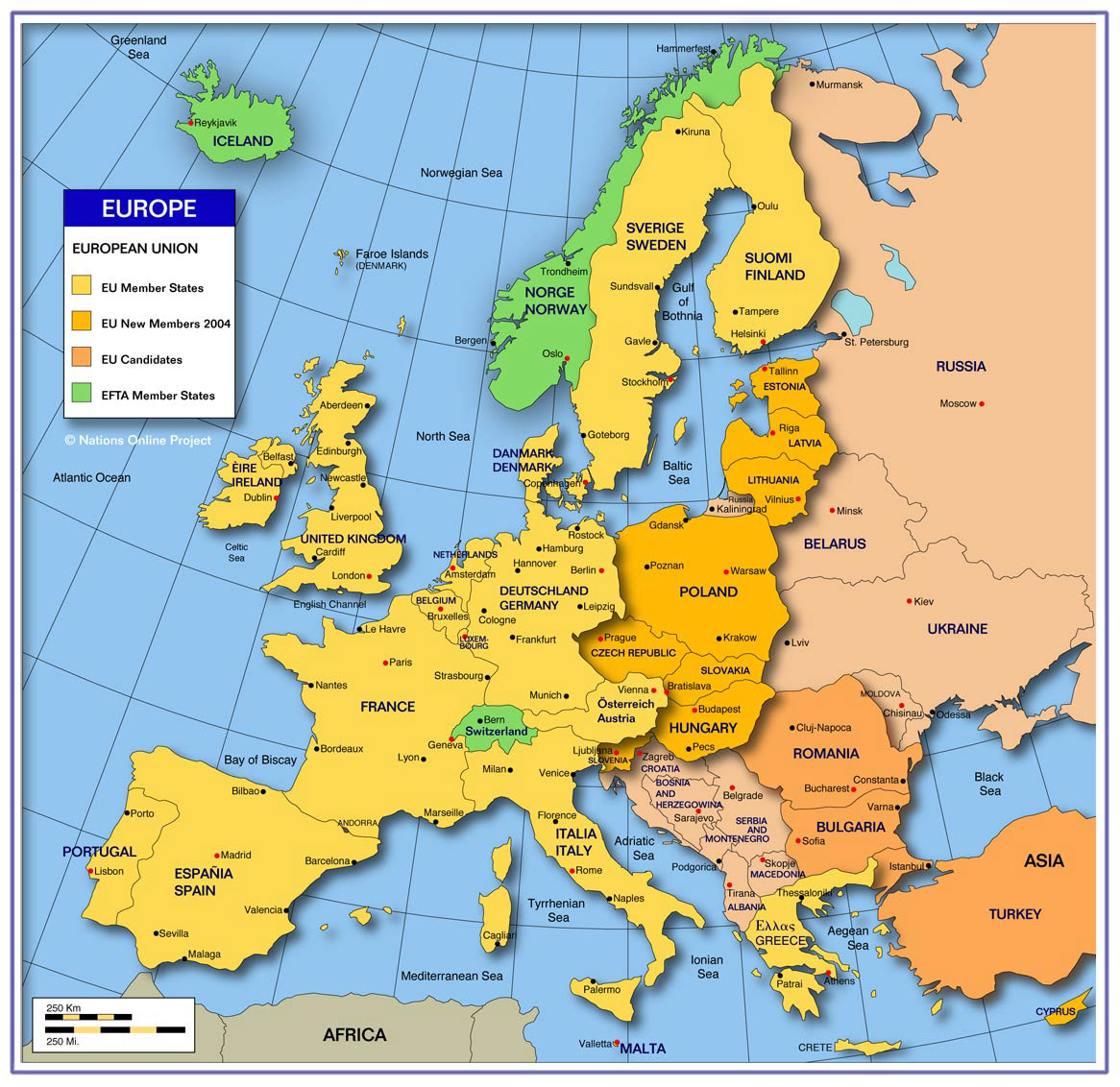
Other regional links didn't get the same cushion. Airlines and governments in places like the UAE and Turkey also faced intense pressure as direct flights with Iran were curtailed or stopped.
Najaf sits in a completely different category. It's a major Shiite pilgrimage center and a hub for religious travel, family ties, trade, and cross-border movement. Cutting it off completely creates immediate political heat for Baghdad, especially when millions of Iranian visitors travel to Iraq for major observances like the Arbaeen walk and local merchants rely on pilgrim spending.
In aviation and diplomacy, there's a big difference between cutting a commercial route and severing a pilgrimage link. Commercial travelers can often reroute through third hubs—even if it costs more time and money. When a religious corridor freezes, the backlash hits streets, shrines, and local politicians right away.
The Real Friction Beneath the Resumed Flights
Even after flights restarted, travelers and businesses didn't magically get certainty back. Sanctions enforcement creates a patchwork reality on the ground.
- Watchlist exposure: Analysts and watchdogs like the Foundation for Defense of Democracies have pointed out that several Iranian carriers operating in the region carry US designations or blacklist ties, keeping compliance friction high even when flights run.
- Overland backups: Land crossings between Iraq and Iran remain open, yet turning a short flight into a long road trip changes who can make the trip comfortably. Students, patients with medical appointments, and older pilgrims feel that shift first.
- Booking jitters: A one-week halt is short on a diplomatic calendar, yet long enough to disrupt hotel deposits, work schedules, and family plans. Once people see a route freeze once, they hesitate to trust timetables blindly.
- Wider enforcement: Aviation curbs sit inside a much bigger pressure campaign involving maritime blockades and new oversight mechanisms like US Central Command's Task Force Iron Gateway targeting overland and Caspian corridors.
This is where optimistic takes often go wrong. People see planes landing again and assume the crisis is over. In reality, waivers tend to be conditional, fragile, and closely watched by banks, insurers, and ground operators.
What Travelers and Planners Should Do Right Now
If you're planning travel, logistics, or business tied to flights between Iran and Iraq, treat any schedule as conditional until wheels are down. Don't lock in non-refundable plans without checking current carrier eligibility and airport handling status.
Build slack into your itinerary. Keep a backup overland route in mind if a short flight is critical for medical care, university terms, or family events.
Most of all, verify details from primary sources—airline notices, airport advisories, and official government statements—rather than relying on old flight schedules. When sanctions and waivers collide, rules and ground operations can shift faster than ticket systems update.