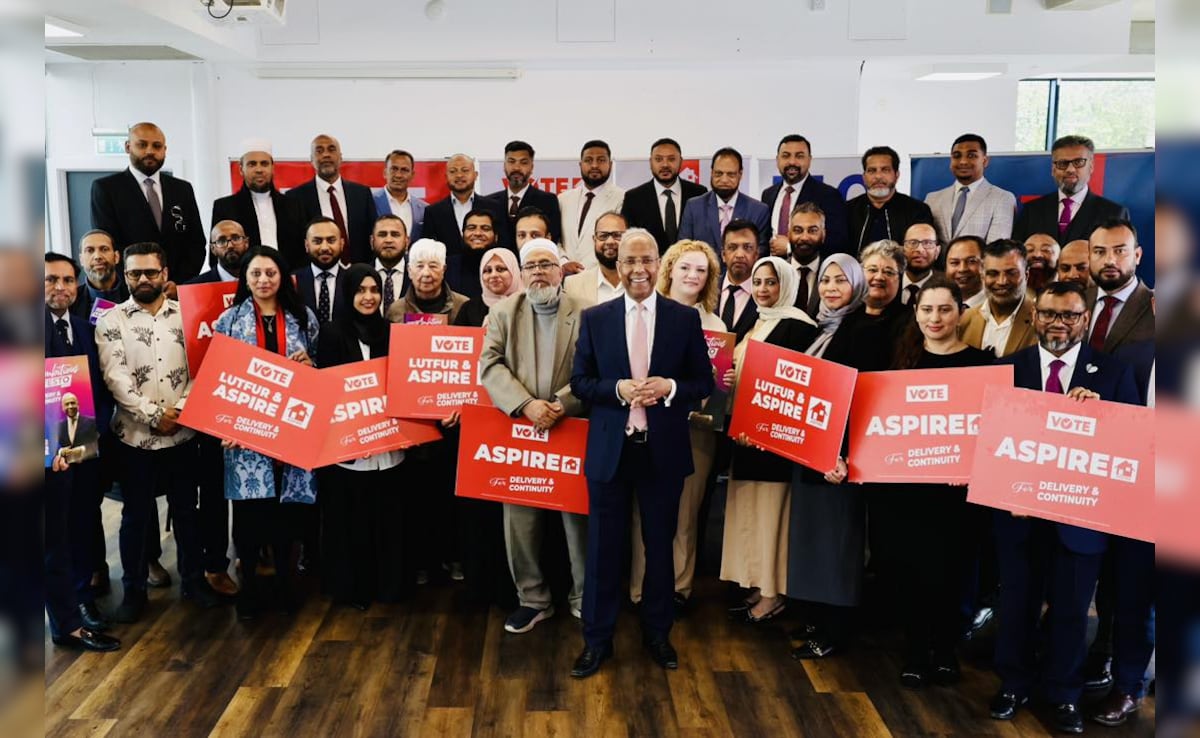
Political parties in Westminster love lazy categorization. For decades, they treated British South Asian voters as a monolith, an electoral bank account they could draw from every five years without checking the balance. They assumed a shared background and working-class roots meant automatic loyalty, usually to the Labour Party.
That strategy is dead. The old assumptions collapsed entirely during recent electoral cycles, culminating in massive shifts that are reshaping the map of British politics. British Pakistani and Bangladeshi communities aren't just participating in the system anymore; they're actively altering its architecture.
If you look closely at the data from the 2024 general election and subsequent local contests, like the telling Gorton and Denton by-election in early 2026, the numbers tell a story of rapid fragmentation. The Green Party, independent candidates, and local grassroots coalitions are winning in areas that used to see 80% turnout for the red rosette. The idea of a predictable, unified bloc is gone, replaced by a hyper-localized, highly discerning electorate that refuses to be taken for granted.
The Cracks in the Left-Wing Monolith
For a generation, the British Pakistani and Bangladeshi vote belonged to Labour. It was a bond forged in the industrial towns of the North, the Midlands, and the inner boroughs of London during the late twentieth century. Facing systemic racism and harsh economic shifts, migrant communities found a natural ally in the party of the working class and trade unions.
But identity shifts over time. The children and grandchildren of those original immigrants don't view British politics through the exact same lens as their elders. They are university-educated, middle-class professionals, business owners, and digital natives. Their interests have diversified.
While domestic issues like the cost of living and the state of the NHS still dominate daily kitchen-table conversations, international issues have exposed massive fault lines between the party leadership and these specific voting bases. Keir Starmer's early, cautious stance on foreign policy events—particularly the crisis in Gaza—infuriated British Muslim voters.
The political cost of that alienation became obvious when independent candidates ran focused single-issue campaigns and unseated established Labour figures or slashed seemingly safe majorities. Suddenly, constituencies like Birmingham Perry Barr, Leicester South, and Blackburn became political battlegrounds. This wasn't a temporary protest; it was a structural break.
Residential Shifts and Suburbs Altering the Political Map
It's tempting to think this is purely an issue of foreign policy, but the real driver of this shift is deeper, quieter, and structural. It is about geography.
Historically, Pakistani and Bangladeshi communities were concentrated in dense, urban inner-city neighborhoods—places like Tower Hamlets in London, or central areas of Bradford and Birmingham. In these environments, community networks often voted collectively. Local leaders and community elders exerted considerable influence over how blocks of families filled out their ballots.
Today, we're seeing an unprecedented wave of suburbanization. Wealthier, second- and third-generation British Asians are moving out of the inner cities and into leafy suburban belts. They're buying homes in places like Redbridge or Harrow on the edges of London, or moving into Solihull outside Birmingham.
When people move to the suburbs, the old community-enforced voting patterns break down. You aren't just voting alongside your neighbors who share your exact background anymore. You're thinking about local school catchments, council tax rates, and commuter transport links.
This suburban shift explains why the "Asian vote" has split along economic and religious lines. According to recent research by organizations like the Carnegie Endowment, British Hindus and Christians have increasingly tilted toward the Conservative Party over the last decade, driven by economic concerns and tax policies. Meanwhile, British Pakistani and Bangladeshi voters, who are predominantly Muslim, have shown immense volatility, moving toward the Greens or independent socialist platforms when they feel Labour has drifted too far right.
The New Strategy for Independent Kingmakers
What does an empowered, volatile electorate actually look like in practice? It looks like the rise of tactical, hyper-local coordination.
In the past, major parties would show up at community centers or mosques two weeks before polling day, take a few photos, and coast to victory. Now, grassroots organizations are doing the organizing themselves. They are vetting candidates on specific policy pledges, tracking parliamentary voting records, and running sophisticated digital operations across WhatsApp and TikTok to direct votes where they matter most.
Look at how the Green Party capitalizes on this. They aren't just picking up climate-conscious voters in university towns anymore. They are winning seats in places with large Asian-Muslim populations by running on anti-war platforms and community-first asset protection.
This isn't just about sticking it to Westminster; it's a cold, calculated exercise in leverage. By withholding their vote from Labour without automatically giving it to the Conservatives, these communities have turned themselves into genuine swing voters. They have realized that in a first-past-the-post system, a safe seat gets ignored, but a marginal seat gets resources, attention, and policy concessions.
Redefining Political Engagement Beyond the Ballot Box
The lesson here for anyone managing a political campaign in Britain is simple: the era of the easy vote is over. If you want to win over Pakistani and Bangladeshi communities, you have to treat them with the same nuance and strategic effort applied to middle-aged voters in the suburban "Red Wall."
The old gatekeepers don't hold the keys anymore. Courting a few select community leaders at a dinner won't deliver thousands of votes from the younger demographic. They care about clear, trackable metrics:
- Where do you stand on global human rights issues?
- What are your concrete plans to fund local youth centers and mental health facilities?
- How are you addressing the unique economic pressures facing small businesses and independent high streets?
If your political strategy relies on using "South Asian" as a single column in a spreadsheet, you're going to lose. The future belongs to candidates who understand that these communities are politically diverse, highly critical, and perfectly willing to walk away from parties that take their loyalty for granted.
If you are running a campaign or organizing a local movement, stop looking at ethnic minority voters as an undifferentiated mass. Start analyzing the specific demographic changes in your constituency. Look at the generational wealth splits, the housing transitions from urban rentals to suburban mortgages, and the specific localized media networks that drive conversations. The parties that adapt to this fragmented reality will find new paths to victory; those that don't will watch their safest majorities evaporate.


