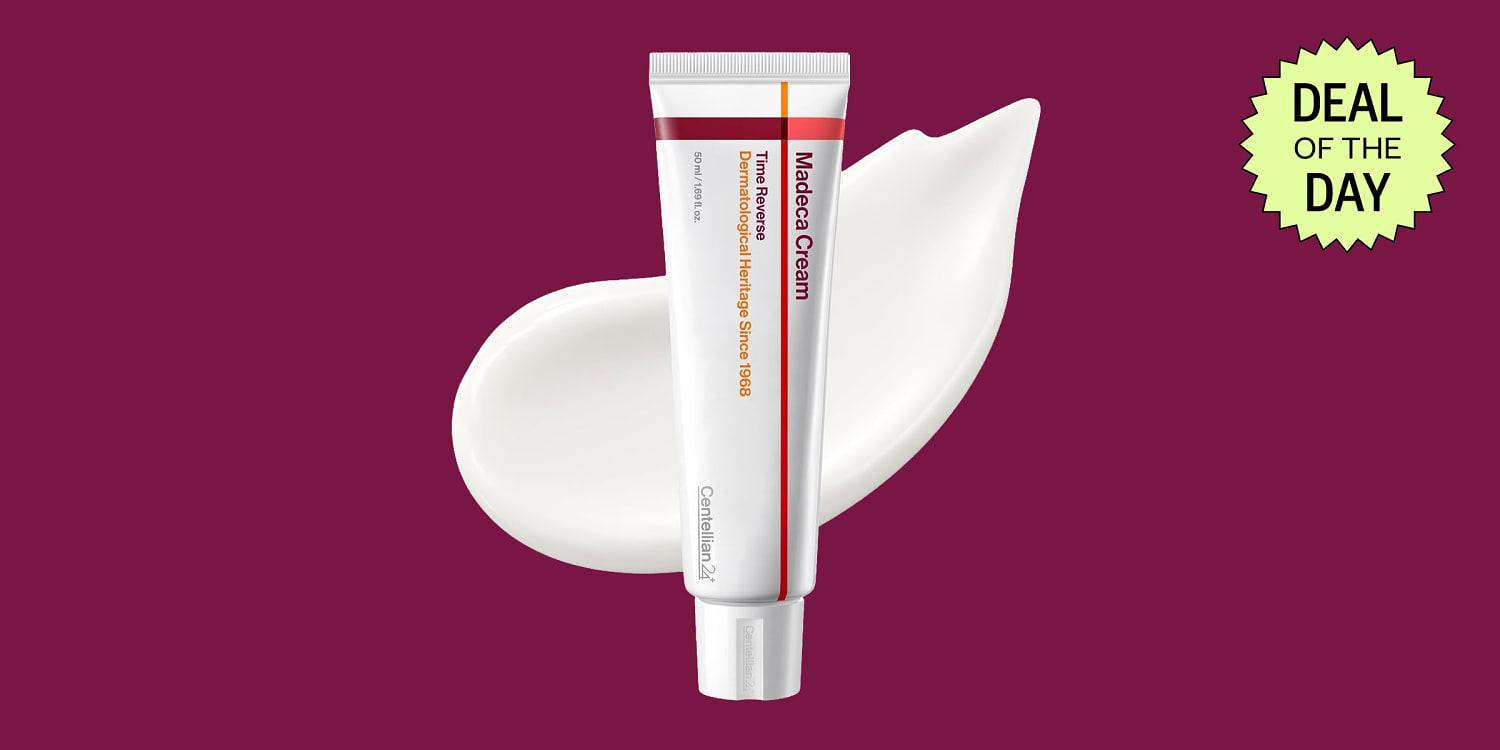
For decades, the cosmetics industry has operated on a simple, highly profitable psychological trick: price equals efficacy. Walk into any luxury department store or scroll through high-end beauty editorials, and you will find moisturizers priced anywhere from $100 to upwards of $400 an ounce. These formulations are often housed in heavy glass jars, stamped with minimalist French-sounding typography, and backed by marketing narratives involving rare ocean kelp or proprietary bio-fermentation processes. Yet, an quiet insurgency is altering consumer habits. Shoppers are increasingly abandoning prestige counters in favor of sub-$20 formulations, creating a viral economy around affordable wrinkle-reducing creams that reportedly outperform their luxury counterparts.
This shift is not merely about thrifty consumers pinching pennies during economic tightening. It represents a fundamental reckoning with cosmetic chemistry, supply chain transparency, and the massive markup structures that have long defined the beauty market. To understand why an $18 cream can stand shoulder-to-shoulder with a luxury jar, one has to examine what actually goes into formulating a topical anti-aging treatment.
The manufacturing cost of raw cosmetic ingredients—even high-performing ones like peptides, hyaluronic acid, and stabilized retinoids—is remarkably low. When a consumer purchases a $150 luxury face cream, they are rarely paying for the active compounds inside the bottle. Instead, that capital goes toward celebrity endorsement contracts, elaborate packaging, multi-tier distribution networks, and the immense marketing overhead required to maintain an aura of exclusivity. The juice inside the jar often costs the parent company less than the cardboard box it ships in.
When independent or direct-to-consumer brands bypass traditional retail gatekeepers and heavy advertising spends, the pricing model changes entirely. Formulations featuring concentrated bakuchiol, niacinamide, or ceramides can be retailed profitably at a fraction of legacy prices. This dynamic explains the rapid rise of budget-friendly powerhouses found dominating digital storefronts. Shoppers testing these affordable alternatives are discovering an uncomfortable truth for luxury conglomerates: skin physiology does not respond to brand prestige. It responds to active molecular structures.
Evaluating anti-aging efficacy requires looking past marketing buzzwords and examining the actual concentration of active ingredients. A luxury moisturizer might boast a rare botanical extract on its label, but if that extract sits near the very bottom of the ingredient deck—meaning it is present at a concentration of less than one percent—its biochemical impact will be negligible. Conversely, many affordable formulations place proven workhorse ingredients near the top of the list.
Take the current wave of affordable retinol and peptide creams gaining traction online. Dermatologists have long agreed that retinoids remain the gold standard for stimulating collagen production and accelerating cellular turnover. Yet, legacy brands frequently package low-percentage retinol derivatives in unstable, open-jar containers that degrade upon exposure to light and air, rendering them useless within weeks. Meanwhile, several budget-conscious brands utilize airless pump technology paired with encapsulated retinoids or plant-based alternatives like bakuchiol, ensuring the product remains chemically active from the first pump to the last.
The formulation philosophy of low-cost beauty brands strips away the sensory distractions that luxury houses rely on. Expensive artificial fragrances, heavy silicones designed to mimic a silky skin-feel, and artificial dyes are costly to manufacture and frequently trigger contact dermatitis or sensitivity. By eliminating these unnecessary additives, budget creams often prove safer and more effective for sensitive skin types than heavily perfumed department store staples.
Shifting away from luxury skincare does require a change in consumer mindset. For years, advertising conditioned buyers to view skincare as an indulgence or a status symbol. A heavy porcelain tub sitting on a vanity signaled a certain tier of lifestyle. Choosing an $18 tube wrapped in minimalist plastic requires prioritizing biochemical results over bathroom aesthetics.
Industry analysts note that this transparency movement is forcing legacy brands into a corner. As ingredient-conscious consumers scrutinize labels using smartphone applications to decode chemical makeups instantly, the illusion of luxury superiority is cracking. When a consumer can purchase a product containing identical or superior concentrations of proven anti-aging humectants and barrier-repair lipids for twenty dollars, the justification for a triple-digit price tag evaporates.
The market correction currently underway suggests that the future of beauty belongs to formulation integrity rather than marketing mythology. Consumers are voting with their wallets, proving that healthy, firm skin does not require a devastating credit card statement. The era of blind brand loyalty is giving way to an era of chemical literacy, where the only metric that matters is what the product actually does when it meets the skin.