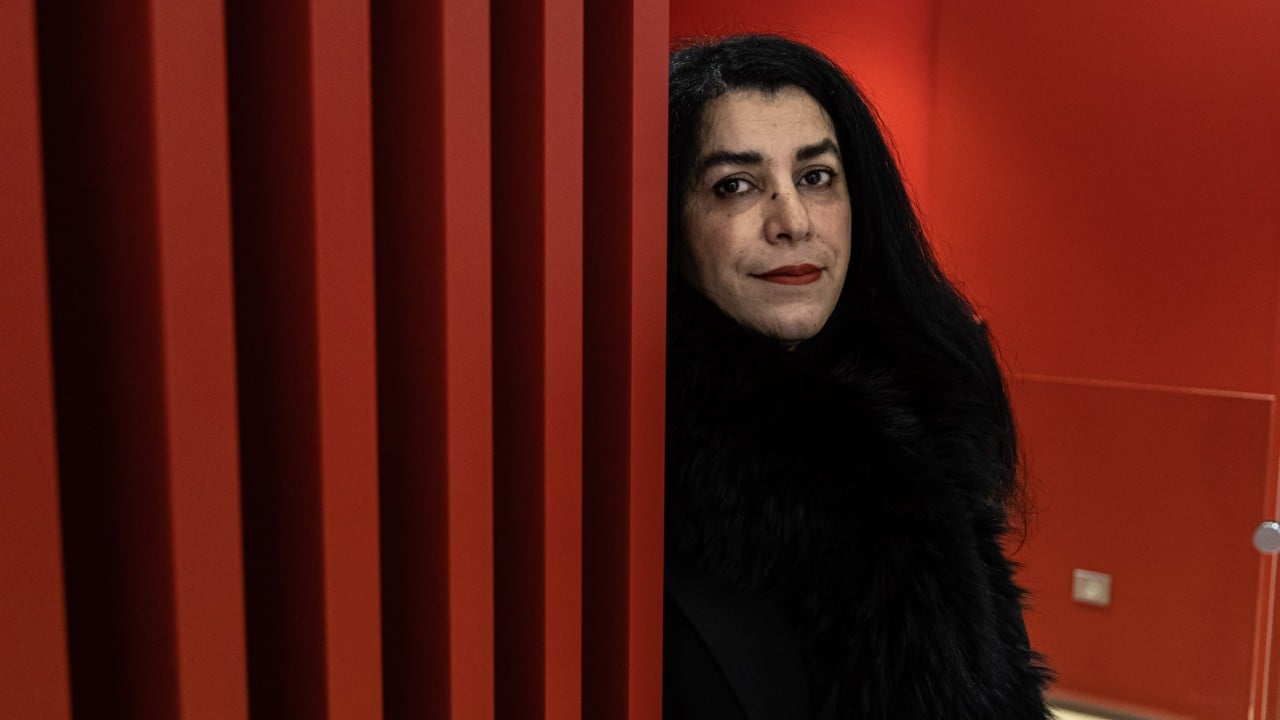
The internet loves a tragic narrative, especially when it involves an exiled artist. When rumors circulated that Marjane Satrapi, the brilliant creator of the graphic novel Persepolis, had died "of sadness" at age 56, social media did what it always does. It mourned. It shared panels of her iconic black-and-white artwork. It turned a living, breathing, fiercely defiant woman into a passive martyr for a romanticized cause.
Except Marjane Satrapi is not dead.
She is very much alive, currently residing in Paris, and likely furious about her premature obituary. The viral death hoax exposes a deeper, more insidious trend in how Western media and audiences consume the stories of dissidents from the Middle East. It reveals a cultural appetite for tragedy over ongoing resistance. Reducing a complex, active intellectual to a caricature who simply withered away under the weight of exile does a profound disservice to her work and the larger struggle for Iranian freedom.
The Anatomy of an Exiled Death Hoax
Hoaxes do not materialize in a vacuum. They thrive on plausibility and emotion. In Satrapi’s case, the rumor tapped into a genuine historical phenomenon, heartbreak in exile, and weaponized it.
Exile is a form of slow violence. Satrapi has spoken openly for decades about the agonizing pain of leaving Iran after the Islamic Revolution and the knowledge that she may never return. When the public reads about an artist "dying of sadness," it sounds poetic. It fits the tragic orientalist trope of the suffering Eastern artist who cannot survive away from her native soil.
But this narrative is lazy. By examining how these rumors spread, we see a clear pattern of algorithmic amplification. A single unverified post on an obscure forum gets picked up by an aggregate site. Within hours, it becomes an accepted truth on social media timelines. Nobody checks the source. Nobody looks for an official statement from her publisher or French authorities. The emotional payoff of mourning a legendary figure overrides the basic journalistic duty of verification.
The Danger of Romanticizing Political Grief
When we romanticize the suffering of political exiles, we strip them of their agency. Satrapi did not capture the world's attention with Persepolis because she was a victim. She did it because she was an observer with a sharp wit, a rebellious spirit, and a refusal to be silenced by either the regime in Tehran or the misconceptions of the West.
To suggest that such a figure would simply succumb to grief is to misunderstand the nature of her life's work. Her anger is generative. Her sadness is a tool for creation, not a terminal illness. By analyzing her body of work, from Persepolis to her film adaptations and her recent collaborative graphic novel Woman, Life, Freedom, we see a trajectory of continuous defiance. She is fighting, not fading.
The Real Burden of Carrying Persepolis
To understand why the public so easily believed the news of her demise, one must understand the immense weight Persepolis placed on Satrapi’s shoulders. Published in the early 2000s, the autobiographical comic book became a global phenomenon. It humanized Iranians at a time when the post-9/11 political climate threatened to reduce them to a monolith of extremism.
+-------------------------------------------------------------+
|               The Double Burden of the Dissident            |
+-------------------------------------------------------------+
| 1. Domestic Erasure: Censorship and targeted defamation      |
|    by the home regime.                                      |
+-------------------------------------------------------------+
| 2. Western Reduction: Pressure to act as a permanent        |
|    spokesperson for an entire nation's suffering.           |
+-------------------------------------------------------------+
This success came with a steep price. Satrapi became an involuntary ambassador for a nation of millions. Every interview she gave, every film she directed, was viewed through the prism of her geopolitical identity.
The Western literary establishment loves its dissidents to remain frozen in time. They want Satrapi to forever be the teenage girl in the denim jacket buying black-market Iron Maiden tapes in Tehran. When an artist grows, changes, or shifts focus to other creative pursuits, the public grows restless. The death hoax is, in a bizarre way, an attempt by the culture to freeze her permanently in that tragic, marketable state of perpetual exile.
The Mechanics of Regime Erasure
While the West romanticizes her, the Islamic Republic of Iran actively works to erase her legacy. Persepolis is banned in her homeland. Possession of it can lead to severe consequences. The regime does not want its youth to see a reflection of their own desires for freedom in Satrapi’s black-and-white panels.
Therefore, false reports of her death serve a dual purpose for authoritarian forces. They test the waters of public memory. If the world accepts her death with a shrug and a few tweets, it signals that her cultural capital is waning. It proves that the memory of the pre-revolutionary and early revolutionary struggle is fading from global consciousness.
Why the World Prefers Tragic Victims to Active Rebels
Living dissidents are inconvenient. They argue. They change their minds. They critique the societies that grant them asylum just as harshly as they critique the regimes they fled. Satrapi has never been a comfortable figure for Western liberals or conservatives. She has fiercely criticized Western interventions in the Middle East while simultaneously condemning the fundamentalism of the Iranian government.
A dead artist is much easier to manage. Once an author passes away, their work can be institutionalized, scrubbed of its immediate political danger, and placed safely on a university syllabus.
The Evolution of the Iranian Resistance
Satrapi’s ongoing survival and work are vital because the struggle she documented has evolved dramatically. The "Woman, Life, Freedom" movement, sparked by the death of Mahsa Amini, represents a new chapter in the fight against the clerical regime. This movement is led by a generation that was not even born when Persepolis was written.
       [1979 Revolution] -> Sharp shift to fundamentalism
              |
       [2000s Persepolis] -> Global awareness of Iranian youth
              |
       [Current Movement] -> Decentralized, female-led resistance
Satrapi did not sit back and watch this new wave from a distance. She mobilized. She brought together historians, artists, and activists to create a new anthology documenting this contemporary uprising. This is not the behavior of someone dying of sadness. This is the behavior of an intellectual who understands that memory is a battleground, and that her weapon is the printing press.
The Counter-Argument: The Psychological Toll is Real
To reject the hoax is not to deny the immense psychological trauma of exile. It would be cynical to suggest that Satrapi, or any other dissident, is immune to the crushing weight of nostalgia and grief. The concept of ghorbat—a deep, untranslatable Persian word for the feeling of being a stranger in a strange land—is a defining feature of the Iranian diaspora.
Many artists have indeed been destroyed by it. The history of exile is littered with brilliant minds who turned to substance abuse, isolation, or suicide when the pain of separation became too acute. The error lies not in acknowledging this pain, but in assuming it has defeated her. Satrapi’s survival is an act of defiance in itself. Her continued creativity is a refusal to let the regime win by breaking her mind after they broke her connection to her homeland.
The Strategic Path Forward for Cultural Consumption
How do we combat this cultural hunger for the tragedy of the dissident? It requires a fundamental shift in how we engage with international art and literature.
We must stop treating books like Persepolis as historical artifacts from a closed chapter of history. The fight Satrapi drew is happening right now on the streets of Tehran, Isfahan, and Shiraz. When a rumor about a prominent figure surfaces, the immediate response should be skepticism, followed by a renewed engagement with their actual words.
Stop sharing unverified death announcements. Go buy her latest collaborative work. Read her interviews where she fiercely defends the rights of Iranian women. Look at her paintings. The ultimate revenge against a regime that wants to silence an artist, and a global audience that wants to commodify her grief, is to engage with her living, evolving intellect. Marjane Satrapi is not a tragedy. She is a force.