Ice does not hate. Ice does not love. Ice simply waits, a massive accumulation of frozen water balanced precariously on steep rock, governed entirely by gravity and the brutal calculus of altitude.
At seven thousand meters above sea level, the air holds barely a third of the oxygen found at sea level. The human brain struggles to function. Simple arithmetic becomes a heavy chore. Every breath is a conscious, exhausting contract with a hostile sky. Yet people go there anyway. They go to test the limits of what bone and blood can endure, walking into zones where helicopters cannot fly and rescue is a theoretical luxury. Learn more on a connected issue: this related article.
On a Thursday morning, the Karakoram range decided to move.
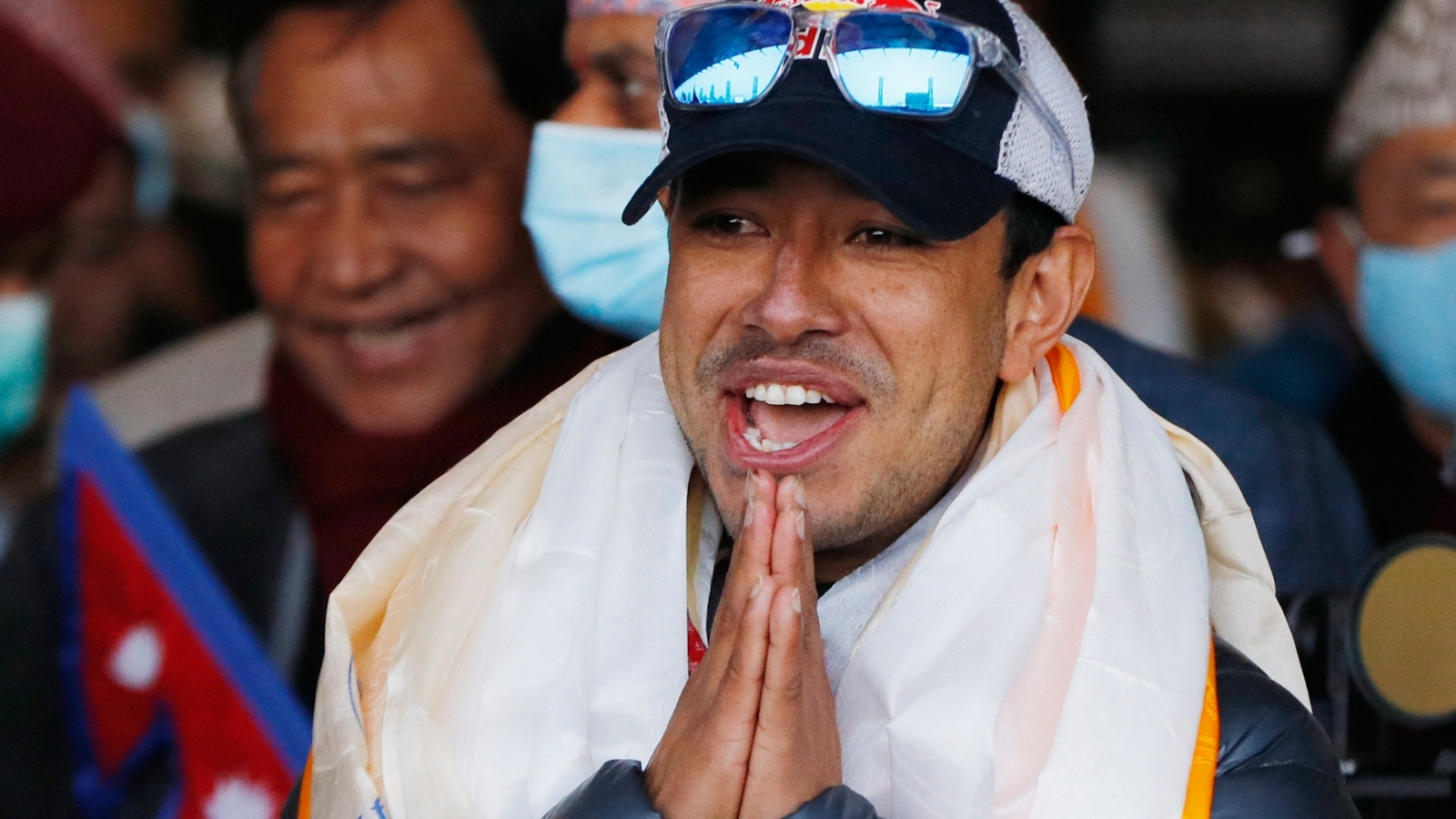
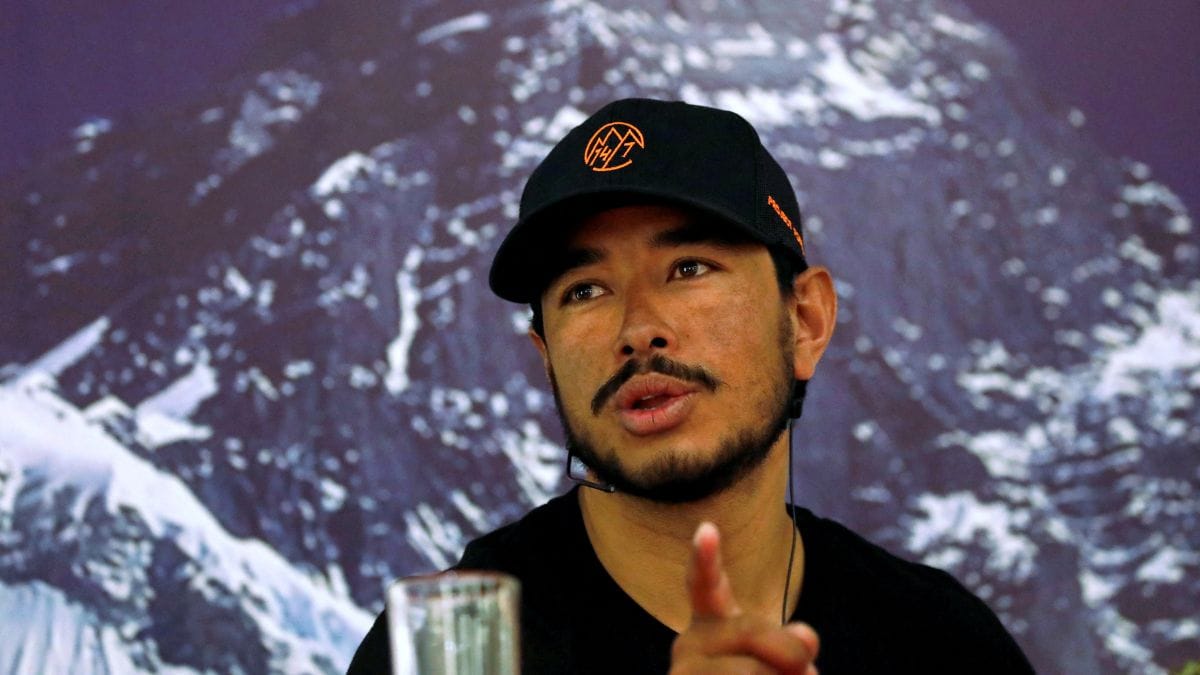
An avalanche, sudden and violent, struck the slopes of Broad Peak. The 8,051-meter giant, standing in the shadow of its flashier neighbor K2, caught a ten-member expedition team in its path. Among them was Nirmal Purja, the high-altitude mountaineer known globally as Nims Dai. Alongside him were climbers from Nepal, the United States, Oman, China, and Pakistan, bound together by the quiet, consuming ambition to stand on top of the world. More reporting by NBC Sports highlights similar views on this issue.
When the snow settled, silence returned. But the missing remained missing.
Consider what happens next in the valleys below. Telephones ring in Kathmandu, Muscat, and London. Families stare at screens, refreshing weather reports, looking for updates from a region where communication lines are as fragile as frost. For hours, uncertainty reigns. GPS trackers offer ghostly data points—faint pulses indicating movement, or the sudden, terrifying stop of a signal. In the early hours after the strike, a tracker associated with Purja showed shifting coordinates, creating a fragile thread of hope that maybe, just maybe, someone had managed to crawl out of the debris field.
Hope, at high altitude, is a double-edged sword.
Rescue teams mobilized quickly through the Alpine Club of Pakistan, but the mountain dictated the terms of engagement. Low-hanging clouds and vicious winds grounded army aviation helicopters. Rescuers on the ground faced blinding whiteouts and the constant threat of secondary slides. When the weather briefly parted to allow eyes on the slope, the reality of high-altitude disaster came into sharp focus. Four bodies were recovered from the snow, identified through tragedy as climbers like Oman's Nadhira Alharthy, America's Mallory Geis, and Nepal's Pur Bahadur Gurung.
The math of mountaineering is unforgiving. When an avalanche sweeps a team a thousand meters down a couloir, survival depends less on past glory and more on pure, unadulterated luck. Even a resumé featuring every eight-thousander on Earth offers no immunity against millions of tons of shifting ice.
As search operations resumed under heavy hearts and lingering grey skies, elite expedition companies and official channels delivered the confirmation everyone dreaded. The mountain had claimed its own. The loss of figures like Purja sends shockwaves through the global climbing community, but the deeper ache belongs to the families waiting for loved ones who walked up into the thin air and simply did not come back.
The Karakoram remains standing. The snow will eventually refreeze, smoothing over the scars of the avalanche until the slope looks pristine and inviting once more. But the horizon has shifted. Down below, the world turns, left to reckon with the heavy price paid by those who dared to look into the highest corners of the earth.