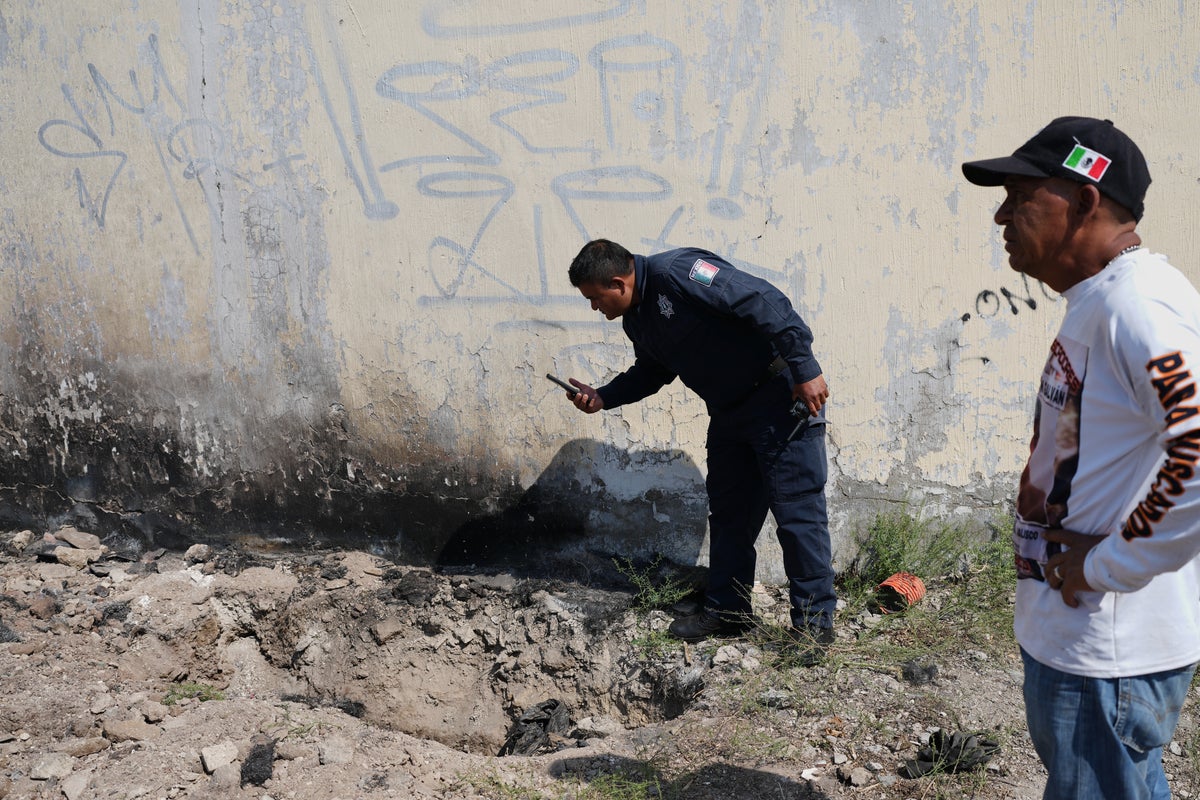
Searching for the dead is a job the Mexican government won't do. So, the mothers do it themselves. They call themselves buscadoras—the searchers. Across the scorched plains of Sonora and the dense brush of Veracruz, these women aren't looking for justice anymore. They’re looking for bone fragments. They're looking for a tooth, a piece of a shirt, or a rusted earring that confirms their child isn't coming home.
The numbers are staggering. Mexico officially counts over 115,000 disappeared people. Think about that. That's an entire stadium of people gone without a trace. While politicians argue in Mexico City, these women pick up shovels and iron rods. They head into territories where even the police are afraid to go.
Why the Searching Warriors Risk Everything
Most of these women started as ordinary citizens. They were teachers, shopkeepers, and stay-at-home moms. Their lives changed the moment a son didn't come home from work or a daughter was pulled into a black SUV. When they went to the police, they were met with shrugs. "He was probably involved in something," the officers would say. It’s a classic way to blame the victim and close the file.
Frustrated by the silence, they formed collectives. These groups, like the Madres Buscadoras de Sonora or Los Otros Desaparecidos, have become the most effective forensic teams in the country. They don't have fancy labs. They have "the rod."
It’s a simple tool. They sharpen a long iron rebar, drive it deep into the earth, pull it out, and smell the tip. If it smells like rotting meat, they start digging. It’s a grim, visceral reality that most people can't imagine, but for a mother in Jalisco or Tamaulipas, that smell is the first step toward peace.
The Brutal Reality of Cartel Territory
Operating in cartel-controlled zones isn't just difficult. It’s a death sentence. The cartels view these mass graves as their private trash cans. When the searchers arrive, they’re exposing the cartels' crimes. This makes them targets.
Ceci Flores, one of the most prominent leaders of the movement, has faced countless death threats. She’s had to live in government protection programs, moving from safe house to safe house. Yet, she keeps going back to the desert. Why? Because the fear of her son being forgotten is stronger than the fear of a bullet.
The cartels aren't the only threat. The searchers often find themselves harassed by the very authorities who should be helping them. Local police sometimes act as lookouts for the gangs. In other cases, the government simply ignores the graves the women find because every new body is a blow to the official narrative that "crime is down."
Beyond the Shovels and the Dirt
The searchers have developed a level of expertise that puts state investigators to shame. They’ve learned how to identify human remains versus animal bones. They know the difference between a shallow "express" grave and a long-term burial site.
They also provide the emotional support the state fails to offer. When a new grave is found, it’s a moment of collective trauma. But it’s also a moment of hope. Finding a body means a family can finally have a funeral. It means they can stop waking up at 3:00 AM wondering if their loved one is being tortured.
It’s a uniquely Mexican tragedy, but it speaks to a universal human need. We cannot leave our dead in the dirt. We need to say goodbye.
How the System Fails the Disappeared
The legal framework in Mexico is a mess. Even when the buscadoras find a body, the bureaucratic nightmare is just beginning. The forensic services are overwhelmed. Thousands of remains sit in containers and morgues, unidentified, because the DNA testing backlogs are years long.
It’s a cycle of misery. The women find the bodies, the state takes the bodies, and then the bodies get lost again in the system. This is why many collectives are now pushing for their own independent forensic databases. They don't trust the government to tell them the truth.
What You Can Do to Support the Searchers
You might feel helpless reading about this from a distance. The scale of the violence is huge. But these women rely on international visibility and direct support to keep their shovels moving.
- Follow the Collectives Directly: Get your news from the source. Follow groups like Madres Buscadoras de Sonora on social media. They post live updates from their searches.
- Donate Supplies: They don't just need money. They need boots, hats, industrial-grade gloves, hydration salts, and digging tools. Many groups have Amazon wishlists or local drop-off points.
- Pressure for International Oversight: The crisis of the disappeared in Mexico is a human rights catastrophe. Support organizations like Amnesty International or the Washington Office on Latin America (WOLA) that lobby for better forensic resources in Mexico.
- Share the Stories: The cartels and the government both want these people forgotten. Every time you share an article or a name of a disappeared person, you’re fighting that silence.
The buscadoras are the conscience of a nation. They’re doing the hardest work on earth with almost no resources. They don't want to be heroes. They just want their children back. Next time you think about the "border crisis" or "cartel wars," remember the women with the iron rods. They’re the ones actually dealing with the fallout.