If you think the massive crowds packing the dusty streets of Najaf and Karbala are just about religious grief, you're missing the real story.
The multi-city, cross-border funeral procession for Iran's late Supreme Leader, Ayatollah Ali Khamenei, is a massive geopolitical demonstration disguised as a funeral rite. After the casket left Tehran and Qom, the decision to loop the body through Iraq’s holiest Shiite cities before its final burial in Mashhad wasn't random. It was a calculated, high-stakes message aimed squarely at Washington and Jerusalem.
Tehran is effectively telling the world that despite losing its ultimate leader to an airstrike that ignited the regional war, its grip on Iraq remains absolute.
The Logistics of Power Behind the Procession
Moving a high-profile body across borders during an active conflict takes more than just a fleet of black SUVs. Western diplomats watching the spectacle noted the sheer scale of coordination required to pull this off.
According to Iraq's Popular Mobilization Forces (PMF), well over two million people flooded Najaf alone. By the time the convoy reached Karbala, local reports from networks like Al Mayadeen claimed the numbers swelled even further as pilgrims poured in from regional provinces.
The physical preservation of the body itself required a high-tech setup. Khamenei's coffin was outfitted with a nitrogen gas and dry ice system to counteract the blistering July heat wave. It was mounted on a heavy transport truck, crawling through a sea of black-clad mourners.
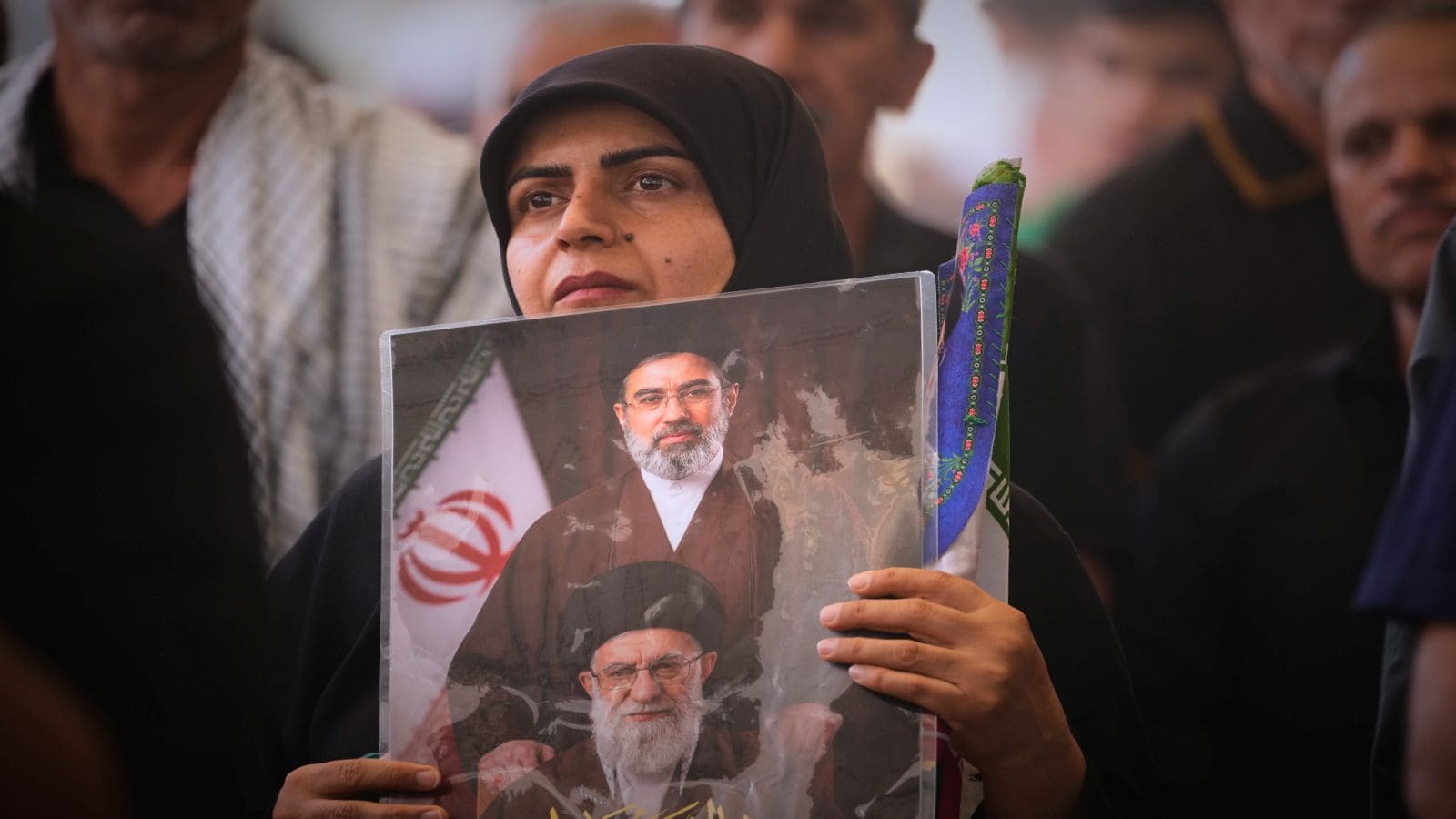
The atmosphere wasn't just solemn; it was aggressive. Loudspeakers blasted a mix of traditional Shiite funeral elegies and fiery revolutionary anthems. Interspersed between the chants were audio clips of Khamenei’s final speeches, alongside those of Hassan Nasrallah. Red flags—the traditional Shiite symbol for unavenged blood—vied for space with giant portraits of the late leader.
The Strategic Shift to Najaf and Karbala
Why Iraq? The answer lies in the deep religious and political geography of Shiite Islam. Najaf is home to the shrine of Imam Ali, while Karbala holds the shrine of Imam Husayn. By parading Khamenei's body through these specific streets, the Iranian state is attempting to inextricably link his political legacy with the foundational martyrs of the faith.
The political optical illusion worked exactly as intended. High-ranking figures packed the tarmac at Najaf International Airport to meet the flag-draped casket.
- Iraqi Prime Minister Ali al-Zaidi stood alongside Iranian President Masoud Pezeshkian and Foreign Minister Abbas Araghchi.
- Esmail Qaani, the head of Iran's Quds Force, made a rare, defiant public appearance despite rumors regarding his safety since the war escalated.
- Powerful local political players like Muqtada al-Sadr and Ammar al-Hakim also attended, showing that when Tehran demands a display of unity, Iraqi factions cross the aisle to deliver.
The event served as an explicit rebuke to Washington. Just as Donald Trump remarked from South Dakota that Iran "wants to settle so badly," the crowds in Najaf were chanting "Death to America" directly into international news cameras. A loudspeaker at the shrine even boomed a direct warning back to the White House, calling the turnout the strongest possible message to the U.S. administration.
A Disquieting Undercurrent of Division
Don't let the uniform wall of black clothing fool you. This funeral highlights the profound fractures tearing at Iraqi society.
For the millions of PMF loyalists and devout state-aligned citizens, attending was both a religious duty and a proud stance with the Axis of Resistance. People like Haider al-Amari, who drove five hours from Basra, or Ali Salman, a student who slept in his car outside Najaf, see Khamenei as a spiritual guide.
But a massive portion of the Iraqi public stayed home, watching with a mix of anxiety and quiet resentment. Many ordinary Iraqis are deeply fatigued by how easily their sovereign borders are bypassed to serve Iranian state interests. They recognize that hosting a multi-million-man political rally for a foreign leader puts Iraq squarely in the crosshairs of an ongoing international war.
What Happens Next
With the Iraqi leg of the procession wrapping up at the Imam Husayn shrine in Karbala, the body is being flown back to Iran for its final burial in the eastern city of Mashhad.
The immediate next steps aren't about the mourning rituals—they're about the empty chair in Tehran. Khamenei's son and rumored successor, Mojtaba Khamenei, has been notably absent from the public eye during these processions, reportedly recovering from injuries sustained in the initial strikes.
The international community needs to watch how the power vacuum settles in the coming days. The seamless orchestration of this cross-border funeral proves the Islamic Republic's regional proxy infrastructure is still fully operational, even under immense military pressure. Expect zero concessions from Tehran in the ongoing, fragile regional peace talks; this massive turnout was designed to buy them maximum leverage at the negotiating table.