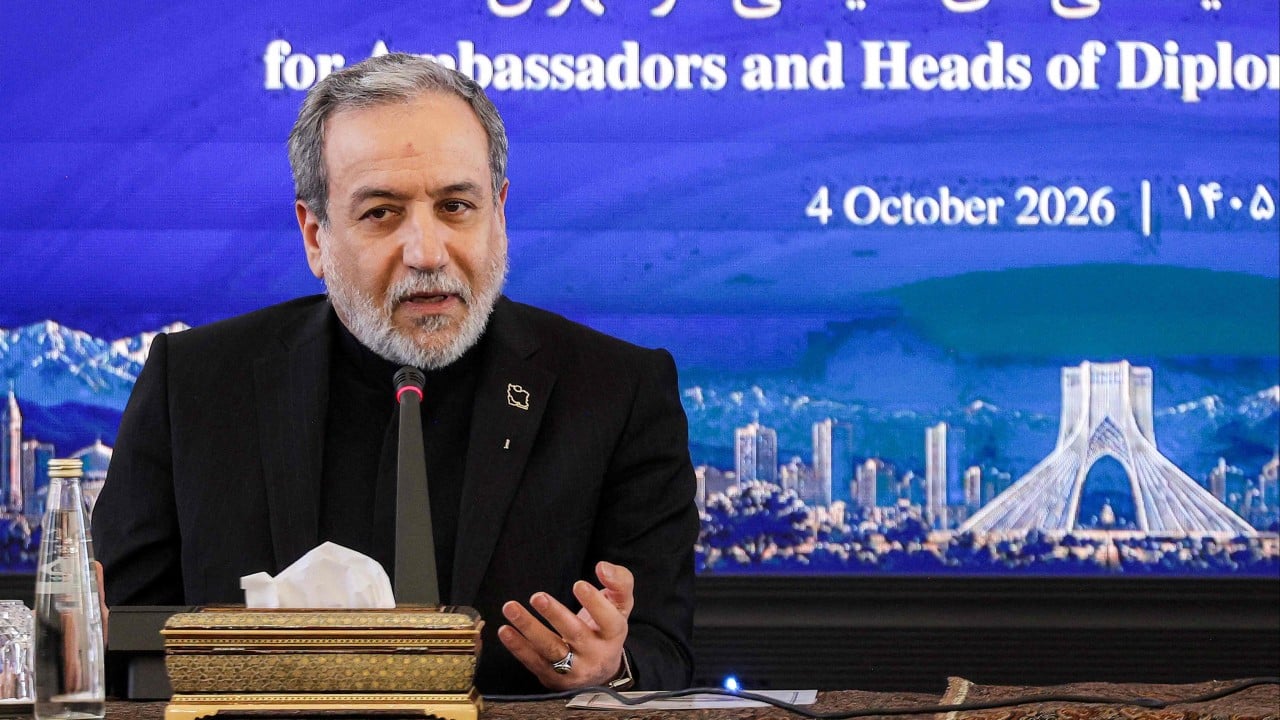
The standoff between Washington and Tehran keeps dragging on, and anyone paying attention knows the old playbook is completely broken. When Iranian officials look at the ongoing tensions and tell Washington flatly that there is no military solution to the Middle East war, they aren't just tossing out empty rhetoric. They are pointing to a fundamental reality that decades of combat across the region have repeatedly proven. Dropping more bombs or ramping up naval patrols won't force a permanent surrender or fix a deeply complex geopolitical impasse.
Look at what’s actually happening on the ground. Washington and its allies keep leaning on economic strangulation and regional containment, hoping the Iranian government will eventually crack under the pressure. Meanwhile, Tehran refuses to budge on its core demands, insisting that any serious conversation requires lifting sanctions and stopping foreign threats entirely. It is a high-stakes game of chicken where both sides claim the upper hand, yet neither can deliver a knockout blow.
Why the Traditional Military Playbook Fails Here
For years, foreign policy hawks have argued that enough military pressure can force hostile regimes to completely capitulate. But modern regional conflicts don't work that way. When major powers rely purely on kinetic force, they usually end up managing an endless cycle of proxy flare-ups and disrupted shipping lanes rather than securing a lasting peace.
Consider the strategic choke points like the Strait of Hormuz. Even when major combat slows down, regional friction keeps global energy markets on edge. Pumping more hardware into the region doesn't automatically secure commercial traffic or erase ideological hostility. It just raises the baseline cost for everyone involved while leaving the root political problems completely untouched.
The Real Obstacle to a Lasting Deal
The core problem isn't a lack of firepower. It's a massive chasm in what each side considers acceptable terms for a ceasefire. Washington wants sweeping concessions on nuclear enrichment and regional security before easing up on economic penalties. Tehran views those demands as an infringement on sovereignty and insists that economic blockades must end first.
When diplomats walk away from the table empty-handed, the default setting always slides back toward mutual threats. Officials on both sides trade sharp warnings about being "locked and loaded" or facing total economic ruin, but empty threats don't build a stable architecture for the Middle East.
If leaders in Washington and Tehran genuinely want to break this cycle, they have to accept that force has reached its absolute limit. Real security won't come from the next round of airstrikes or tighter sanctions. It requires dealing with the diplomatic realities on the ground, no matter how frustrating or difficult those negotiations might be.

