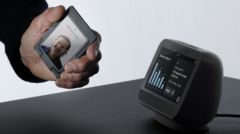
Microsoft wants to put a microphone on your shirt.
The tech giant is quietly testing a new wearable AI device. It isn't a smartwatch. It isn't a pair of smart glasses either. Instead, it is a dedicated clip-on gadget designed specifically for corporate employees. The goal is to track your meetings, summarize your conversations, and manage your daily tasks without you ever touching a laptop screen.
This moves the AI race out of the browser tab and straight into the physical office. For months, tech companies pushed software assistants like Copilot and ChatGPT inside your browser. Now, Microsoft realizes that software is limited by the hardware it lives on. If you are walking between conference rooms or grabbing coffee with a client, your laptop is closed. That is the gap this device wants to fill.
But let's be real about what is happening here. This isn't just about making your workday easier. It is a massive play to lock enterprises deeper into the Microsoft ecosystem. If your wearable connects directly to your corporate Outlook, Teams, and Word documents, you will never switch to Google Workspace. It is a brilliant lock-in strategy masked as a productivity tool.
The Reality Behind the Microsoft AI Wearable
Hardware is hard. Big tech knows this. The recent history of AI gadgets is filled with expensive failures. We saw devices launch with massive hype only to ship as slow, overheating bugs that could have just been a phone app.
Microsoft is taking a different path. They aren't trying to replace your smartphone. They are trying to replace your notepad.
The prototype is a small, lightweight device that clips onto clothing. It uses a array of directional microphones to capture audio in real time. Because it is built for the enterprise, it handles multi-speaker identification much better than standard consumer hardware. It knows when your boss is speaking versus when a vendor is speaking.
The hardware works in tandem with Azure cloud infrastructure. Instead of processing heavy AI models on the device itself, which drains battery and melts plastic, the wearable streams compressed audio data to the cloud. This keeps the physical device cool and allows it to run for a full eight-hour shift.
What This Device Actually Does During a Workday
Imagine walking into a chaotic project sync. You don't open a laptop. You don't scramble to type notes while someone is talking. You just sit there.
The clip-on gadget listens. It separates the idle chitchat from actual deliverables. By the time you get back to your desk, a structured breakdown is already waiting in your inbox.
- It drafts action items and assigns them to specific team members based on verbal agreements.
- It flags contradictions, noting if a timeline mentioned in the meeting conflicts with a previous email thread.
- It automatically updates project tracking boards inside Microsoft Planner or Jira.
This goes beyond simple transcription. Standard transcription gives you a wall of text that nobody wants to read. This gadget contextualizes the audio. It cross-references the live conversation with your existing corporate data graphs to understand exactly what project you are talking about.
The Privacy Nightmare Corporations Must Address
We need to talk about the elephant in the office. People hate feeling monitored. Walking into a breakroom while wearing a live corporate microphone is going to freak employees out.
Microsoft has to handle this perfectly or the product dies on arrival. Legally, recording laws vary wildly by state and country. In two-party consent states, you can't just record a conversation because your company bought you a fancy gadget.
The current testing phases focus heavily on localized privacy controls. The device has a prominent physical mute switch. Think of it like a physical privacy shutter on a webcam. When you flip it, the microphones are totally dead.
There is also the issue of data storage. Enterprise customers will not allow conversational data to train public models. Microsoft handles this by isolating the data within the company’s specific tenant cloud, using the same strict compliance guardrails that govern enterprise email storage. Even with those protections, HR departments will face a wave of complaints the moment these are handed out.
Why Your Phone App Isn't Enough
The obvious counterargument is simple. Why not just use an app on your iPhone or Android? Your phone already has a microphone, a fast processor, and a cellular connection.
It comes down to friction and battery.
Phones are distraction machines. The moment you pull out your phone to start a recording, you see a text message, a social media notification, or a news alert. Suddenly you are distracted. A dedicated device does one thing. It removes the friction of opening an app, granting permissions, and worrying if an incoming phone call will interrupt the recording.
Then there is the physical design. Phones sit in pockets or face down on tables. Microphones get muffled by denim or fabric. A clip-on wearable sits near your collar, perfectly positioned to capture clear audio from both you and the person standing across from you. It sounds like a small detail, but for audio processing accuracy, it changes everything.
How to Prepare for the Wearable Workplace
Whether you love the idea or find it dystopian, ambient AI computing is coming to the office. You don't need to wait for Microsoft to ship this specific hardware to start adapting your workflow.
Start by changing how you run meetings today. Shift away from manual note-taking immediately. Use existing software tools to auto-summarize your virtual calls. Get used to reviewing AI summaries and correcting their mistakes. This trains you to spot where language models hallucinate or miss nuance.
Talk to your IT leadership about data boundaries. Ask how your company plans to handle ambient recording consent as these tools become common. Setting these policies now prevents massive legal headaches next year. The hardware is just the final step in a shift toward a completely documented workplace.


