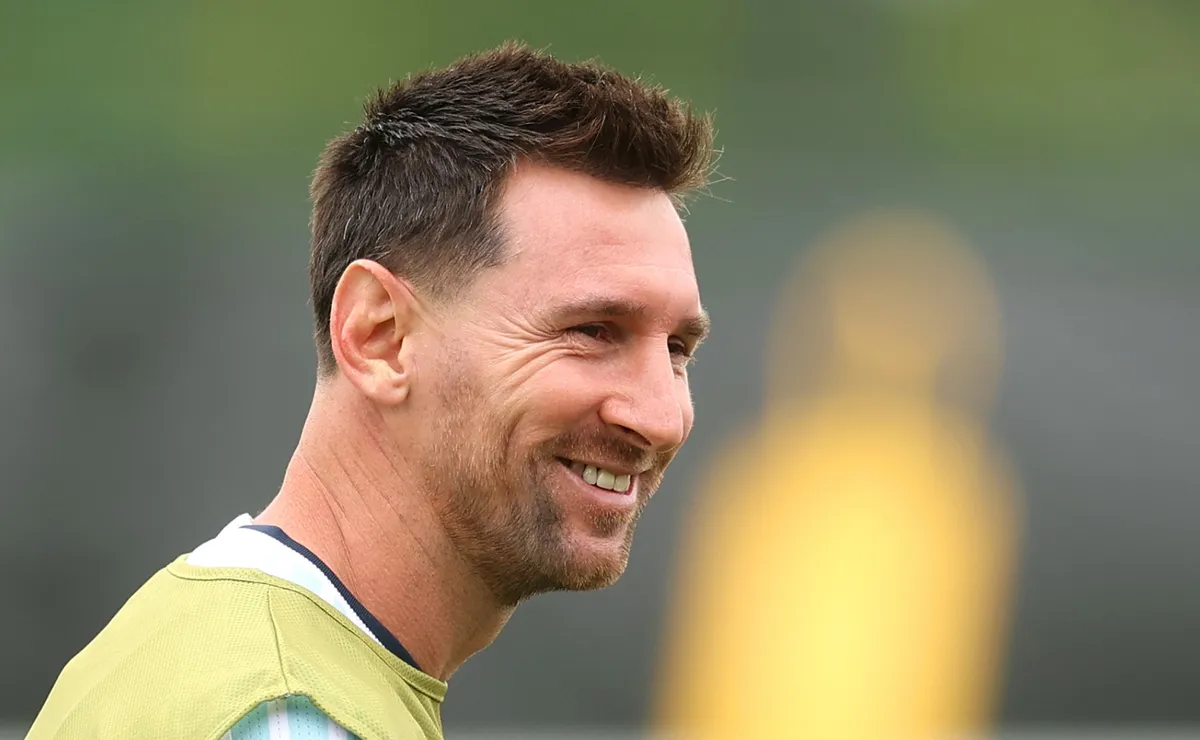
The red light inside a radio studio is a tyrant. When it glows, you belong to the listener. For decades, Tony Livesey lived by that light, his voice a steady, familiar anchor in the chaotic tides of late-night and drive-time broadcasting on BBC Radio 5 Live. It is a specific kind of intimacy, radio. You are in people’s kitchens, their cars, their lonely midnight drives. They feel they know you. They trust you to navigate the world’s messes.
Then, the news cycle turns its lens inward. Don't miss our earlier coverage on this related article.
The studio door swings shut. The microphone is pushed away. Silence on the airwaves has a weight that a casual listener rarely feels, but inside the industry, that sudden absence sounds like a thunderclap. Livesey’s decision to step back from his high-profile broadcasting duties did not happen in a vacuum. It was the inevitable fallout of a storm brewing around another name, David Sullivan, and the ripples it sent through the corridors of the British Broadcasting Corporation.
When the storyteller becomes the story, the narrative changes entirely. To read more about the context of this, Variety provides an informative breakdown.
The Friction of the Unspoken
Imagine sitting in a studio, the headphones clamping tightly against your ears, listening to the countdown in your stencil-grey studio chair. You are trained to react to breaking news with poise. But what happens when the script on the teleprompter involves allegations that strike at the very fabric of the institution you represent?
The broadcasting world thrives on a delicate illusion of detached objectivity. Journalists report. The public consumes. Yet, behind the glass partitions, media institutions are fragile ecosystems built entirely on reputation and public trust. When serious allegations surfaced regarding David Sullivan, the shockwaves traveled fast.
Livesey found himself caught in the gravitational pull of a controversy he did not create, but one he could no longer broadcast over without the shadow of complication. The decision to step away was described in official statements with the usual corporate neutrality. "Stepping back." "Mutual agreement." But corporate language always flattens the sharp edges of human dilemma.
To walk away from the microphone is to surrender your presence. In the media, presence is survival.
Consider the calculation a veteran broadcaster must make in those quiet moments before a public announcement. Every word spoken on air after a scandal breaks is scrutinized. A tone too light sounds dismissive. A tone too heavy sounds like an admission of institutional guilt. The pressure becomes an invisible vice, tightening with every hour.
The Architecture of a Media Storm
The public often views these departures as sudden, clean breaks. A press release lands on a desk, a tweet is sent, and a new presenter fills the slot the next morning.
The reality is far more agonizing. It is a slow-motion collision of legal caution, personal ethics, and the brutal optics of modern media administration.
The BBC operates under a microscope unlike any other media organization in the world. It is funded by the public, which means every license-fee payer feels a sense of ownership over the morality and conduct of its staff. When allegations of a sensitive nature emerge within the broader orbit of the network's talent or associates, the machinery of crisis management grinds into action.
- The Legal Appraisal: Lawyers pore over contracts and potential liabilities, mapping out worst-case scenarios.
- The Editorial Crisis: Producers scramble to reshape schedules, ensuring that the broadcast schedule remains seamless to the outside world.
- The Human Toll: The individual at the center of the shift faces the sudden evaporation of their daily routine, stepping into a forced retirement from public view while the storm rages outside.
This architecture is designed to protect the brand, often at the expense of nuance. For Livesey, a journalist who cut his teeth in the competitive world of print media before conquering the airwaves, the transition from observer to subject must have felt entirely foreign.
The Empty Chair
There is a distinct vulnerability in being the person who leaves to keep the peace. The airwaves do not remain silent for long; the slot is filled, the theme music plays, and the show goes on. The audience adjusts, because audiences always do.
But the empty chair remains a symbol of an industry constantly battling its own demons. The intersection of power, fame, and accountability in modern media has created a minefield where one wrong step—or even proximity to someone else's wrong step—can alter a career trajectory in an instant.
We expect our media figures to be infallible, yet we devour the details when the illusion cracks. The departure of a veteran like Livesey from his regular slot isn't just about one man or one specific set of allegations. It is a reminder of how quickly the ground can shift beneath the feet of those we think we know through our radio speakers.
The red light turns off. The headphones are left on the desk. The studio clock continues its relentless, indifferent tick forward, leaving the truth to be sorted out in the quiet spaces where the microphones cannot hear.