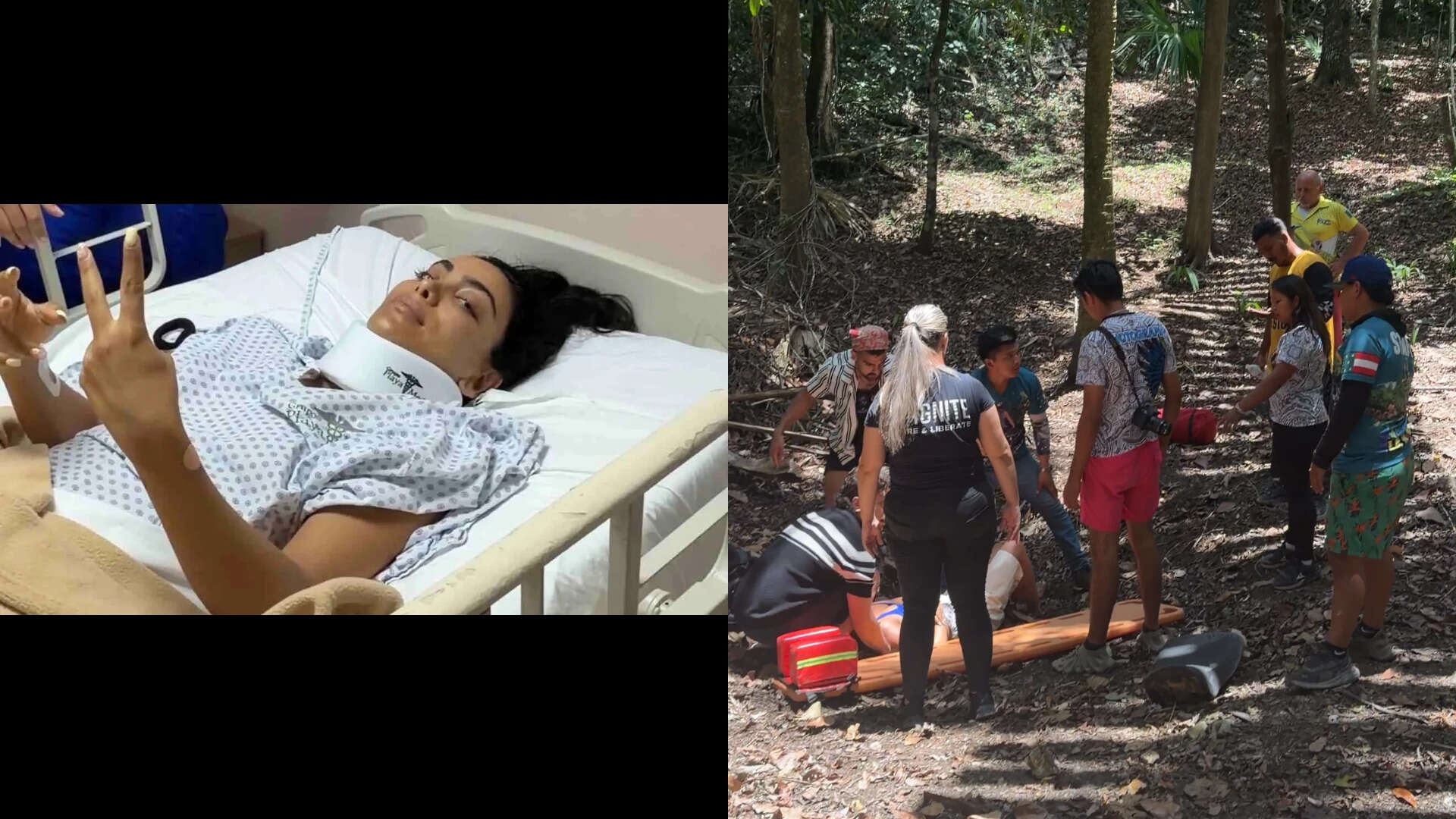
You pack your bags, book a beautiful resort, and head out for a dream vacation. Then, in a split second, everything goes wrong. That is exactly what happened to an Indian-origin traveler whose terrifying experience became public after she shared her ordeal online, asking people to wish her a happy birthday after surviving a near-fatal plunge.
She fell from a bridge during what was supposed to be a relaxing getaway in Mexico.
It is the kind of story that makes you freeze. We often read about these freak accidents and think they only happen to other people. They don't. Travel infrastructure in popular international destinations can vary wildly from what you expect at home. Safety railings fail. Footings crumble. Suspended walkways swing a bit too violently. When you are distracted by a stunning view or trying to capture the perfect photo, danger hides in plain sight.
Understanding how infrastructure risks happen and what you can do to protect yourself changes how you navigate the world.
The Reality of Infrastructure Risks in Vacation Hotspots
We expect tourist hubs to be perfectly safe. We assume local governments or private resorts vet every bridge, viewing platform, and trail. They do not always do that.
In many developing regions or rapidly expanding tourist zones, oversight lags behind popularity. A suspension bridge built for twenty people suddenly holds fifty eager tourists. Salt air corrodes steel supports on coastal walkways. Tropical downpours erode the foundations of scenic overlooks.
When you travel, you cannot rely blindly on local regulations to keep you safe. You have to use your own judgment.
Look at the structure before you step onto it. Is it crowded? Are people crowding the center or the edges? If a wooden plank looks weathered or a metal cable shows rust, skip the photo opportunity. No view is worth a trip to a local trauma center.
Surviving a Vacation Medical Emergency
If the worst happens and you suffer a severe fall or accident abroad, the immediate aftermath is chaotic. You are dealing with language barriers, unfamiliar medical systems, and logistical nightmares.
Immediate Emergency Checklist:
1. Activate emergency medical services via local emergency numbers.
2. Contact your home country's embassy or consulate immediately.
3. Notify your travel insurance provider to open a case file.
4. Secure copies of all medical records, admitting charts, and receipts.
Navigating a foreign hospital requires immense patience and quick thinking. Many international hospitals require upfront payment or proof of comprehensive insurance before they even admit a patient or perform surgery. Without a solid plan, you might find yourself stranded.
Why Standard Health Insurance Falls Short Abroad
Most people assume their domestic health insurance covers them globally. It rarely does. Your policy at home probably offers zero coverage the moment you cross an international border.
That is where specialized travel medical insurance becomes mandatory.
You need a policy that specifically includes emergency medical evacuation. If you fall in a remote area of Mexico, a rural town in Thailand, or a mountain pass in Peru, local clinics might not have the equipment to treat severe trauma. Medical evacuation flights can easily cost upward of $50,000 to $100,000 out of pocket. If your policy does not cover that, you are on your own.
Read the fine print before you buy. Look for insurers that offer direct billing to international hospitals so you don't have to max out your credit cards in an emergency room. Companies like Allianz Global Assistance or World Nomads are popular for a reason, but you still need to check if specific adventure activities or structural tours are excluded from the policy.
How to Assess Structural Safety on the Fly
You don't need an engineering degree to spot a hazard. You just need to stop looking at your phone and start looking at your surroundings.
Pay attention to maximum capacity signs, though keep in mind they are frequently ignored. If a hanging bridge feels like it is bouncing excessively, step off. Avoid standing right against railings on older viewing platforms. Lean inward, keep your center of gravity low, and never climb over barriers for a better camera angle.
Watch the locals too. If tour guides or residents avoid a specific path or structure, follow their lead. They know the terrain better than any travel blog or social media influencer ever will.
Steps to Take Before Your Next Trip
Stop putting off safety preparation until you are sitting at the departure gate. Do these things right now.
Save the local equivalent of 911 in your phone before you land. Download offline maps of the area so you can pinpoint your location even without cellular service. Share your itinerary and hotel details with a family member back home.
Register with your government's traveler enrollment program, like the Smart Traveler Enrollment Program (STEP) for US citizens or the equivalent for your home country. This allows the embassy to contact you or assist your family if an emergency or natural disaster occurs.
Pack a basic first-aid kit with trauma shears, antiseptic wipes, and pressure bandages. You hope you won't need them, but having them on hand can stabilize a situation while you wait for emergency services to arrive. Keep your wits about you, watch your step, and prioritize your physical safety over a viral social media post.